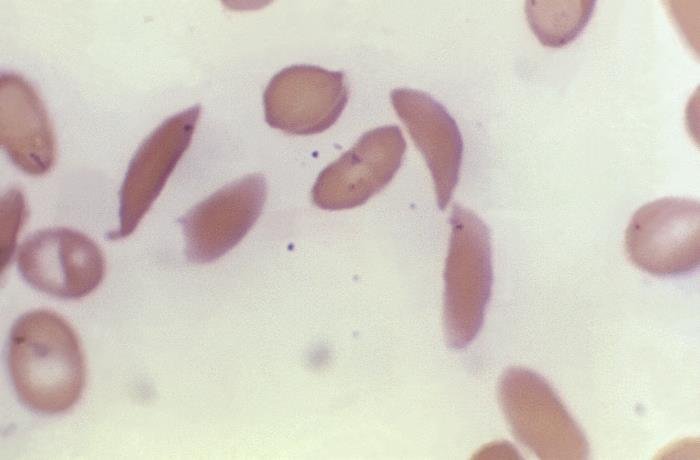
Hematologic Disorders - Comprehensive Overview
Complete tutorial on hematologic disorders including anemias (iron deficiency, B12 deficiency, hemolytic, sickle cell disease), hemophilia, thrombocytopenia, DVT/PE, leukemia, lymphoma, and multiple myeloma. Covers pathophysiology, diagnosis, and treatment from NIH and CDC sources.
This content is for informational purposes only. Always consult a healthcare professional.
Hematologic disorders encompass conditions affecting red blood cells, white blood cells, platelets, and the coagulation system. They range from common nutritional anemias to complex hematologic malignancies and coagulation disorders. This article provides comprehensive coverage of major hematologic conditions.
Anemia
Parameter
Detail
Definition
Decrease in red blood cell (RBC) mass, hemoglobin concentration (Hb), or hematocrit (Hct) below reference range for age, sex, and altitude
WHO criteria for anemia
Men: Hb <13 g/dL; Women (non-pregnant): <12 g/dL; Pregnancy: <11 g/dL
Classification of Anemia by MCV
Type
MCV (fL)
Differential Diagnosis
Microcytic
<80
Iron deficiency (most common), thalassemia, anemia of chronic disease (microcytic subset), sideroblastic anemia (some), lead poisoning
Normocytic
80-100
Anemia of chronic disease (most common normocytic), acute blood loss, hemolytic anemia, mixed deficiencies, CKD, bone marrow failure, endocrine disorders
Macrocytic
>100
Megaloblastic (B12/folate deficiency), non-megaloblastic (alcohol, liver disease, hypothyroidism, MDS, drugs, reticulocytosis)
Iron Deficiency Anemia (IDA)
Parameter
Detail
Prevalence
Most common anemia worldwide; affects 33% of population globally
Causes
Blood loss (GI: colon cancer, peptic ulcer, angiodysplasia; women: menorrhagia), decreased absorption (gastrectomy, celiac, H. pylori, PPI use), increased demands (pregnancy, growth, lactation), inadequate intake (vegetarian/vegan diet)
Iron Studies Interpretation
Parameter
Iron Deficiency
Anemia of Chronic Disease
Thalassemia (Trait)
Serum iron
Low
Low
Normal
TIBC
High
Low
Normal
Transferrin saturation
<20%
10-20%
Normal
Serum ferritin
Low (<30 ng/mL)
Normal or high (>100 ng/mL)
Normal
Soluble transferrin receptor (sTfR)
High
Normal
Normal
Hb electrophoresis
Normal
Normal
Elevated HbA2 (beta thal trait) or HbF
RDW
High
Normal or high
Normal
IDA Treatment
Severity
Hb (g/dL)
Treatment
Expected Response
Mild
10-12 (F) / 10-13 (M)
Oral iron: ferrous sulfate 325 mg (65 mg elemental iron) daily to TID
Reticulocytosis in 3-7 days; Hb rise of 1 g/dL in 2-3 weeks; continue 3-6 months to replenish stores
Moderate
7-10
Oral iron (as above); consider IV iron if intolerant/non-absorbing
Same as above
Severe
<7
Oral or IV iron; consider RBC transfusion if unstable or symptomatic
Same
IV iron options
Iron sucrose, ferric carboxymaltose, iron dextran, ferumoxytol, ferric derisomaltose
For intolerance, malabsorption, CKD, IBD, severe deficiency, post-bariatric surgery
IV iron corrects faster and replenishes stores more reliably
Vitamin B12 (Cobalamin) Deficiency
Parameter
Detail
Causes
Pernicious anemia (autoimmune destruction of gastric parietal cells -> lack of intrinsic factor, most common in adults), malabsorption (gastrectomy, Crohn, celiac, atrophic gastritis), dietary (vegans, vegetarians), pancreatic insufficiency, bacterial overgrowth, Diphyllobothrium latum (fish tapeworm), metformin, PPI
Neurologic symptoms
Peripheral neuropathy, subacute combined degeneration of spinal cord (dorsal columns -> vibratory/proprioception loss, spasticity, ataxia), cognitive impairment (memory loss, confusion), autonomic dysfunction
Hematologic findings
Macrocytic anemia (MCV >100), hypersegmented neutrophils (>5 lobes), pancytopenia (severe), megaloblastic bone marrow
B12 vs Folate Deficiency
Feature
B12 Deficiency
Folate Deficiency
Methylmalonic acid (MMA)
Elevated
Normal
Homocysteine
Elevated
Elevated
Neurologic symptoms
Yes (neuropathy, subacute combined degeneration)
No (except depression)
Response to treatment
Reticulocytosis + improvement in anemia and neurology
Reticulocytosis + improvement in anemia
Treatment
B12: IM (1000 mcg daily x1 week, then weekly x4 weeks, then monthly) or high-dose oral (1000-2000 mcg daily)
Folic acid 1-5 mg PO daily (correct before B12 if both deficient to avoid precipitating neurologic symptoms with isolated folate)
Anemia of Chronic Disease (ACD)
Parameter
Detail
Pathophysiology
Inflammatory cytokines (IL-6, TNF-alpha, hepcidin) -> decreased erythropoiesis (impaired EPO response), shortened RBC survival, impaired iron utilization (hepcidin blocks ferroportin -> iron sequestration in macrophages)
Common causes
Chronic infections (TB, HIV, osteomyelitis), autoimmune diseases (RA, SLE, IBD), malignancy, CKD, chronic rejection
Diagnosis
Normocytic anemia (may be microcytic), low serum iron, low TIBC, elevated ferritin, normal/elevated hepcidin
Treatment
Treat underlying condition; ESAs for selected cases (CKD, MDS, chemotherapy); iron supplementation only if concomitant iron deficiency confirmed
Sickle Cell Disease (SCD)
Parameter
Detail
Definition
Autosomal recessive hemoglobinopathy caused by point mutation in beta-globin gene (GAG->GTG, Glu->Val at position 6) -> hemoglobin S (HbS)
Genotypes
HbSS (sickle cell anemia, most severe), HbSC (milder), HbS-beta-thal (variable), HbS trait (AS, asymptomatic)
Pathophysiology
HbS polymerizes under hypoxia -> RBC sickling -> hemolysis -> vaso-occlusion -> tissue ischemia/reperfusion injury -> chronic organ damage
Sickle Cell Disease Complications
Complication
Age
Pathophysiology
Treatment/Prevention
Vaso-occlusive crisis (painful crisis)
Any age
Sickling -> vascular occlusion -> tissue ischemia
Hydration, analgesia (NSAIDs + opioids), O2 (if hypoxic), incentive spirometry
Acute chest syndrome (ACS)
Any age (peak children)
Pulmonary vaso-occlusion +/- infection
Antibiotics (levofloxacin/ceftriaxone/azithromycin), bronchodilators, transfusion (simple or exchange), O2
Stroke
Children (peak 2-9)
Large vessel vasculopathy (ICA, MCA)
Chronic transfusion program (to keep HbS <30%); TCD screening (start at 2 years)
Splenic sequestration
Children (peak 6 mo-5 years)
RBC trapping in spleen
Transfusion, splenectomy after first severe episode
Aplastic crisis
Children
Parvovirus B19 infection -> temporary arrest of erythropoiesis
Transfusion (usually self-limited within 1-2 weeks)
Priapism
Males
Vaso-occlusion of penile vessels
Hydration, analgesia, aspiration/irrigation, exchange transfusion
Chronic organ damage
Adults
Cumulative vaso-occlusion
Pulmonary HTN, renal insufficiency, retinopathy, AVN of femoral heads, leg ulcers, gallstones (hemolysis), iron overload (transfusions)
Pregnancy complications
Women
Increased sickling
High-risk obstetrics, prophylactic transfusion (controversial)
SCD Disease-Modifying Therapies
Drug
Mechanism
Effect
Side Effects
Hydroxyurea
Increases HbF (fetal hemoglobin), decreases sickling
Reduces VOC by 50%, decreases ACS, improves survival
Myelosuppression, teratogenic; requires monitoring CBC
L-glutamine (Endari)
Reduces oxidative stress
Reduces VOC by 25%
Minimal (GI)
Crizanlizumab (Adakveo)
Anti-P-selectin monoclonal antibody
Reduces VOC by 45%
Nausea, arthralgia, infusion reactions
Voxelotor (Oxbryta)
HbS polymerization inhibitor
Increases Hb by 1-1.5 g/dL, decreases hemolysis
Headache, diarrhea, nausea
Hematopoietic stem cell transplant (HSCT)
Curative
–
Treatment-related mortality 5-10%; limited by donor availability
Gene therapy (Casgevy, Lyfgenia)
CRISPR or lentiviral editing of HbF or HbS
Curative potential
Emerging; very high cost; limited availability
Hemolytic Anemia
Type
Mechanism
Examples
Lab Findings
Treatment
Intrinsic (intracorpuscular)
Defect within RBC
Sickle cell, thalassemia, hereditary spherocytosis, G6PD deficiency, pyruvate kinase deficiency
Increased reticulocytes, elevated LDH, decreased haptoglobin, elevated unconjugated bilirubin, increased AST, spherocytes/fragments on smear
Specific to disorder: splenectomy (spherocytosis), folic acid, avoid triggers (G6PD), transfusion, HSCT
Extrinsic (extracorpuscular)
External factor destroys normal RBC
Autoimmune hemolytic anemia (warm AIHA most common: IgG, 70%; cold agglutinin disease: IgM), microangiopathic hemolytic anemia (TTP, HUS, DIC), drug-induced, mechanical (heart valves), infection, hypersplenism
Same hemolytic labs + Coombs test positive (direct antiglobulin test)
Corticosteroids (warm AIHA first-line), rituximab, splenectomy, immunosuppression; treat underlying cause
G6PD Deficiency
Parameter
Detail
Definition
X-linked recessive disorder; most common RBC enzyme defect; deficiency of glucose-6-phosphate dehydrogenase leading to inability to handle oxidative stress
Prevalence
400 million people worldwide; more common in African, Mediterranean, Middle Eastern, Southeast Asian populations
Triggers for hemolysis
Oxidative stress: certain drugs (dapsone, sulfonamides, nitrofurantoin, primaquine, rasburicase, methylene blue), infections (viral hepatitis, typhoid), fava beans, metabolic acidosis
Acute hemolytic anemia
Onset 1-3 days after exposure; pallor, jaundice, dark urine (hemoglobinuria), back pain; self-limited (2-4 weeks, as young RBCs with normal G6PD emerge)
Diagnosis
G6PD enzyme assay (may be false normal during acute hemolysis due to reticulocytosis with higher G6PD activity; repeat in 2-3 months)
Treatment
Discontinue trigger, supportive care (IV fluids, transfusion if severe), avoid oxidative drugs lifelong
Coagulation Disorders
Hemophilia
Parameter
Hemophilia A
Hemophilia B
Deficient factor
Factor VIII
Factor IX
Inheritance
X-linked recessive
X-linked recessive
Prevalence
1:5,000 males
1:30,000 males
Severity by factor level
Severe (<1%), Moderate (1-5%), Mild (6-40%)
Same
Hemophilia Severity and Bleeding Pattern
Severity
Factor Level
Bleeding Pattern
Prophylaxis
Severe
<1%
Spontaneous bleeding (joints, muscles, soft tissue) into joints (hemarthrosis) without trauma
Primary prophylaxis: factor replacement 2-3x/week (A) or 2x/week (B) starting at age 1-2
Moderate
1-5%
Bleeding with mild-moderate trauma; occasional spontaneous bleeding
Secondary prophylaxis (after first significant bleed) or on-demand
Mild
6-40%
Bleeding only with significant trauma or surgery
On-demand treatment
Hemophilia Treatment
Product/Intervention
Hemophilia A
Hemophilia B
Plasma-derived factors
Factor VIII concentrates
Factor IX concentrates
Recombinant factors
Standard half-life (SHL), Extended half-life (EHL: Fc-fusion, PEGylated)
Standard and extended half-life products
Desmopressin (DDAVP)
Mild-moderate A (raises vWF and FVIII)
Not effective
Antifibrinolytics
Tranexamic acid, aminocaproic acid (mucosal bleeding, dental procedures)
Same
Emicizumab (Hemlibra)
Bispecific monoclonal antibody (mimics FVIII function); SC prophylaxis q1-4 weeks; for hemophilia A with/without inhibitors
Not effective (FVIII mimic)
Gene therapy
Valoctocogene roxaparvovec (AAV-mediated FVIII gene transfer)
Approved (eti…)
Inhibitors (alloantibodies)
20-30% of severe A (more common); treated with bypassing agents (rFVIIa, aPCC), emicizumab
1-3% of B (more common with large deletions; risk of anaphylaxis)
von Willebrand Disease (VWD)
Type
Defect
Inheritance
Frequency
Features
Treatment
Type 1
Partial quantitative deficiency of vWF
AD (variable penetrance)
70-80%
Mild-moderate mucocutaneous bleeding, epistaxis, menorrhagia, easy bruising
DDAVP (stimulates vWF release from endothelium), tranexamic acid
Type 2
Qualitative defect (2A: loss of high-molecular-weight multimers; 2B: increased binding to platelets; 2M: decreased platelet binding; 2N: decreased FVIII binding)
AD (except 2N: AR)
15-20%
Variable bleeding severity
DDAVP (variable response in 2A, 2M; contraindicated in 2B - can cause thrombocytopenia); vWF-containing factor concentrates (Humate-P, Wilate)
Type 3
Severe quantitative deficiency (near absent vWF)
AR
1-5%
Severe bleeding, hemarthrosis, similar to moderate hemophilia A
vWF-containing factor concentrates; DDAVP ineffective
Thrombocytopenia
Severity
Platelet Count (x 10^9/L)
Bleeding Risk
Management Threshold
Mild
100-150
Minimal
No specific treatment
Moderate
50-99
Mild: easy bruising, petechiae
Treat if actively bleeding or pre-procedure
Moderate-Severe
30-49
Increased bruising, prolonged bleeding from cuts
Pre-procedure transfusion often indicated
Severe
10-29
Spontaneous bleeding possible
Pre-procedure transfusion typically indicated
Very severe
<10
High risk of spontaneous intracranial hemorrhage
Prophylactic platelet transfusion (in hospitalized patients)
Immune Thrombocytopenia (ITP)
Parameter
Detail
Definition
Acquired autoimmune disorder characterized by isolated thrombocytopenia due to autoantibody-mediated platelet destruction and impaired platelet production
Prevalence
5-10 per 100,000; children (acute, post-infectious) and adults (chronic)
Pathophysiology
Anti-platelet antibodies (mostly IgG against GPIIb/IIIa) -> platelet destruction in spleen; impaired megakaryopoiesis in bone marrow
Presentation
Cutaneous bleeding (petechiae, purpura, ecchymoses), mucosal bleeding (epistaxis, gingival, menorrhagia), intracranial hemorrhage (rare, <1%)
ITP Treatment
Line
Adult (Newly Diagnosed)
Children
First-line
Corticosteroids (prednisone 1 mg/kg/day x2-4 weeks with taper; or dexamethasone 40 mg/day x4 days); IVIG (1 g/kg x1-2 days) if bleeding/refractory
Observation (if mild, as 80% remit within 6 months); IVIG (0.8-1 g/kg) or prednisone (2-4 mg/kg/day x5-7 days) for moderate-severe
Second-line
TPO-receptor agonists (eltrombopag PO, romiplostim SC, avatrombopag PO, lusutrombopag PO) - highly effective; rituximab (anti-CD20); splenectomy (definitive but irreversible)
TPO-RAs (eltrombopag approved), rituximab, splenectomy (avoid before age 5-6)
Third-line
Immunosuppression (mycophenolate mofetil, azathioprine, cyclosporine), combination therapy
Clinical trials
Emergency
Platelet transfusion + IVIG + high-dose methylprednisolone; recombinant factor VIIa (rFVIIa) for life-threatening bleeding
Same
Deep Vein Thrombosis (DVT) and Pulmonary Embolism (PE)
Parameter
Detail
Definition
Formation of thrombus in deep veins (usually lower extremities) with potential embolization to lungs
Risk factors
Virchow triad: stasis (immobility, travel, obesity, surgery), hypercoagulability (cancer, pregnancy, OCP/HRT, thrombophilia, antiphospholipid syndrome, nephrotic syndrome), endothelial injury (surgery, trauma, central line, vasculitis)
Wells Criteria for DVT
Clinical Sign
Points
Active cancer (treatment within 6 months or palliative)
1
Paralysis, paresis, or recent plaster immobilization of lower extremity
1
Bed rest >3 days or surgery within 12 weeks
1
Localized tenderness along distribution of deep veins
1
Entire leg swollen
1
Calf swelling >3 cm compared to asymptomatic leg
1
Pitting edema (symptomatic leg only)
1
Collateral superficial veins (non-varicose)
1
Previously documented DVT
1
Alternative diagnosis as likely or more likely than DVT
-2
Interpretation: Likely (>=2 points): proceed to ultrasound; Unlikely (<=1): perform D-dimer.
Anticoagulation for VTE
Phase
Duration
DOACs
VKA (Warfarin)
Acute (first 5-21 days)
–
Rivaroxaban 15 mg BID x21d, then 20 mg daily; Apixaban 10 mg BID x7d, then 5 mg BID; Edoxaban (after 5 days parenteral); Dabigatran (after 5 days parenteral)
Start warfarin + LMWH bridge; stop LMWH when INR 2-3 for 2 consecutive days
Long-term (3-6 months)
3 months (provoked, reversible risk factor), 3-6 months (unprovoked), indefinite (recurrent, cancer, high-risk thrombophilia, unprovoked with low bleeding risk)
Rivaroxaban 20 mg daily; Apixaban 5 mg BID; Edoxaban 60 mg daily; Dabigatran 150 mg BID
INR target 2-3; frequent monitoring
Extended (>6 months)
Indefinite if high recurrence risk
Same as above (reduced dose apixaban 2.5 mg BID or rivaroxaban 10 mg daily may be considered for extended secondary prevention)
Same INR target
Direct Oral Anticoagulants (DOACs) vs Warfarin
Feature
DOACs (Apixaban, Rivaroxaban, Edoxaban, Dabigatran)
Warfarin
Mechanism
Direct factor Xa (apixaban, rivaroxaban, edoxaban) or thrombin (dabigatran) inhibition
Vitamin K antagonist (factors II, VII, IX, X, protein C, S)
Onset
Rapid (1-4 hours)
Slow (3-5 days)
Half-life
5-17 hours
40 hours
Dosing
Fixed dose
Variable dose (INR-adjusted)
Monitoring
Not required
INR required (frequency: daily to monthly)
Drug interactions
Fewer (P-gp, CYP3A4)
Many (CYP system, diet, alcohol, many drugs)
Food interactions
No
Yes (vitamin K)
Reversal agents
Andexanet alfa (factor Xa), idarucizumab (dabigatran)
Vitamin K, PCC, FFP
Clinical trial data
Non-inferior or superior to warfarin for VTE treatment and AFib stroke prevention
Historical gold standard
Major bleeding risk
Lower (especially intracranial hemorrhage)
Higher (especially intracranial hemorrhage)
Hematologic Malignancies
Leukemia Classification
Type
Cell Line
Age Group
Frequency
Key Features
ALL (Acute Lymphoblastic Leukemia)
Lymphoid (B-cell 85%, T-cell 15%)
Children (peak 2-5), adults (peak >50)
Most common childhood cancer
L1/L2/L3 morphology; Philadelphia chromosome (t(9;22)) in 25% of adult ALL; good prognosis in children (90% cure), guarded in adults
AML (Acute Myeloid Leukemia)
Myeloid
Adults (median 68)
Most common acute leukemia in adults
Auer rods, myeloperoxidase positive; subtypes (M0-M7 by FAB); APL (M3) with t(15;17) -> treat with ATRA + arsenic; poor prognosis in older adults
CLL (Chronic Lymphocytic Leukemia)
Lymphoid (B-cell)
Older adults (median 70)
Most common leukemia in Western adults
Smudge cells on smear; CD5+, CD19+, CD23+; Rai/Binet staging; indolent (many asymptomatic, watch and wait); treat with BTK inhibitors (ibrutinib, acalabrutinib) or venetoclax + obinutuzumab
CML (Chronic Myeloid Leukemia)
Myeloid
Adults (median 55)
–
Philadelphia chromosome t(9;22) BCR-ABL1 (100%); triphasic: chronic -> accelerated -> blast crisis; treat with TKIs (imatinib, dasatinib, nilotinib, bosutinib, ponatinib); excellent prognosis (10-year survival >90% on TKI)
Lymphoma Classification
Type
Frequency
Cell of Origin
Key Features
Treatment
Hodgkin lymphoma (HL)
10%
Reed-Sternberg cells (germinal center B-cell origin)
Nodular sclerosis (most common), mixed cellularity, lymphocyte-rich, lymphocyte-depleted, nodular lymphocyte predominant; B symptoms (fever, night sweats, weight loss); good prognosis
Chemotherapy (ABVD: doxorubicin, bleomycin, vinblastine, dacarbazine or escalated BEACOPP) + radiation; 90% cure rate (early stage)
Diffuse large B-cell lymphoma (DLBCL)
30-35%
Mature B-cell
Most common NHL; can present at any nodal or extranodal site; fast-growing, symptomatic
R-CHOP (rituximab, cyclophosphamide, doxorubicin, vincristine, prednisone) x6 cycles; 60-70% cure rate
Follicular lymphoma
20-25%
Germinal center B-cell
Indolent; t(14;18) BCL-2 rearrangement; slow-growing, wax-waning; advanced stage at diagnosis; not curable (except early stage)
Watchful waiting; rituximab +/- chemotherapy (bendamustine, CHOP, CVP); rituximab maintenance; CAR-T in relapsed; median survival >10 years
Mantle cell lymphoma
5-7%
Mantle zone B-cell
t(11;14) CCND1 -> cyclin D1; aggressive but incurable
Immunochemotherapy + stem cell transplant; BTK inhibitors; CAR-T
Marginal zone lymphoma
5-10%
Post-germinal center B-cell
MALT (gastric: H. pylori-associated, antibiotic responsive), nodal, splenic; indolent
Treat underlying cause (H. pylori eradication for gastric MALT); rituximab; watchful waiting
Burkitt lymphoma
<5%
Germinal center B-cell
Sporadic, endemic (EBV+ in Africa), immunodeficiency-associated; t(8;14) MYC; very aggressive, highly proliferative
Intensive chemotherapy (CODOX-M/IVAC, hyper-CVAD); curable
Multiple Myeloma
Parameter
Detail
Definition
Clonal plasma cell malignancy characterized by production of monoclonal immunoglobulin (M-protein), lytic bone lesions, renal impairment, anemia, and hypercalcemia (CRAB criteria)
Prevalence
1-2% of all cancers; 15% of hematologic malignancies; median age 69
Pathophysiology
Plasma cell proliferation driven by genetic events (IgH translocations, hyperdiploidy, del(13q), del(17p), MYC, RAS mutations, mutations in NF-kB pathway) -> monoclonal Ig production (IgG 55%, IgA 20%, light chain only 20%, IgD/IgM/IgE rare)
Multiple Myeloma: CRAB Criteria and Complications
Complication
Definition
Mechanism
Management
Hypercalcemia
Corrected Ca >11.5 mg/dL
Osteoclast activation (RANKL, MIP-1alpha, IL-6) -> bone resorption
Hydration, bisphosphonates (zoledronic acid, pamidronate), denosumab, calcitonin, glucocorticoids
Renal insufficiency
Cr >2 mg/dL or CrCl <40 mL/min
Light chain cast nephropathy (most common), hypercalcemia, hyperuricemia, amyloidosis, bisphosphonates, NSAIDs
Hydration, treat hypercalcemia, discontinue nephrotoxins; plasma exchange (limited evidence), dialysis if needed
Anemia
Hb <10 g/dL
Marrow infiltration, anemia of chronic disease, renal insufficiency, chemotherapy
Transfusions, ESAs, treat underlying disease
Bone disease (lytic lesions)
One or more osteolytic lesions on X-ray, CT, PET/CT
Osteoclast activation
Bisphosphonates (zoledronic acid monthly), denosumab; radiation for painful lesions/pathologic fracture; orthopedics for impending/actual fracture
Infections
Recurrent bacterial infections (encapsulated organisms: S. pneumoniae, H. influenzae, N. meningitidis)
Hypogammaglobulinemia, impaired neutrophil function, immunoparesis
Vaccinations (pneumococcal, influenza, H. influenzae type b, meningococcal); IVIG if recurrent/recalcitrant
Hyperviscosity
Symptoms: nosebleeds, visual changes, headache, confusion
High M-protein levels (usually IgA or IgG3)
Plasmapheresis
Multiple Myeloma Treatment
Regimen
Anti-myeloma Agents
Corticosteroid
Notes
Induction (transplant-eligible)
VRd: Bortezomib (Velcade) + Lenalidomide (Revlimid) + Dexamethasone
Dexamethasone
Standard of care; followed by stem cell collection and autologous stem cell transplant (ASCT)
Induction (transplant-eligible alternative)
Dara-VRd: Daratumumab + VRd
Dexamethasone
Quadruplet therapy; emerging standard
Maintenance (post-ASCT)
Lenalidomide
–
Prolongs PFS and OS (phase 3 trial data)
Non-transplant candidates
DRd: Daratumumab + Lenalidomide + Dex; RVd (if lenalidomide tolerant)
Dexamethasone
Continuous therapy
Relapsed/refractory
Carfilzomib, pomalidomide, elotuzumab, isatuximab, selinexor, teclistamab, idecabtagene vicleucel (CAR-T), belantamab mafodotin
Dexamethasone
Multiple options; sequential therapy
Multiple Myeloma Staging (R-ISS)
Stage
Criteria
5-Year Survival
I
Beta-2 microglobulin <3.5 mg/L + albumin >=3.5 g/dL + normal LDH + standard-risk cytogenetics
80%
II
Not stage I or III
60%
III
Beta-2 microglobulin >=5.5 mg/L + either high-risk cytogenetics [t(4;14), t(14;16), del(17p)] or elevated LDH
40%