Infectious diseases are caused by pathogenic microorganisms — bacteria, viruses, fungi, and parasites — that invade the body, multiply, and produce illness. Despite dramatic advances in antimicrobial therapy and prevention, infectious diseases remain a leading cause of morbidity and mortality worldwide, particularly in low-resource settings.
Principles of Infection
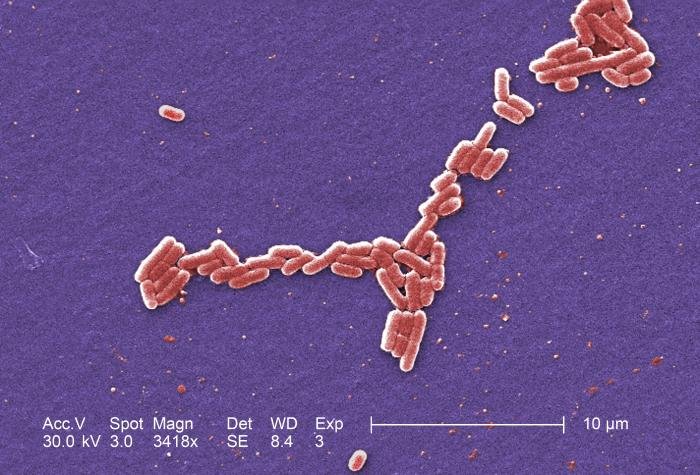
For an infection to occur, a chain of events must take place: a pathogen must encounter a susceptible host, enter the body through a portal of entry, evade or overcome host defenses, multiply, and cause tissue damage. Interrupting any link in this chain can prevent or treat infection.
Modes of Transmission
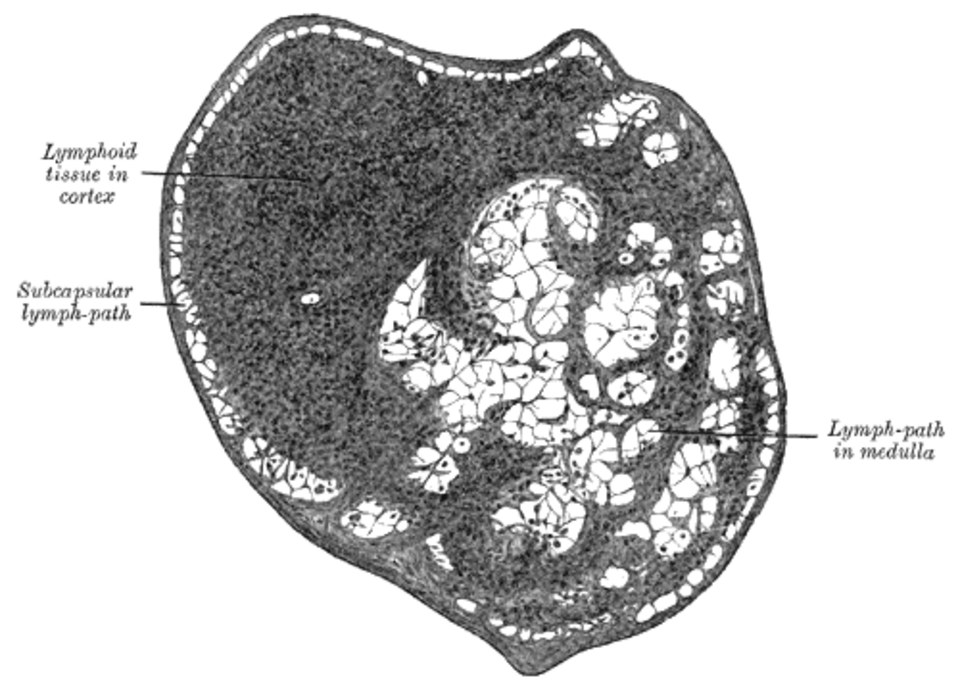
Direct transmission: Person-to-person contact (touch, kissing, sexual contact), droplet spread (coughing, sneezing within 1 meter), or vertical transmission (mother to fetus during pregnancy or childbirth).
Indirect transmission: Airborne (droplet nuclei that remain suspended for hours), vehicles (contaminated food, water, fomites), and vectors (mosquitoes, ticks, fleas).
Zoonotic transmission: Spillover from animal reservoirs to humans. More than 60% of emerging infectious diseases are zoonotic, including COVID-19, Ebola, Nipah virus, and avian influenza.
Host Defense
The innate immune system provides the first line of defense: physical barriers (skin, mucous membranes), chemical barriers (stomach acid, antimicrobial peptides), phagocytic cells (neutrophils, macrophages), and the complement system. The adaptive immune system provides targeted, long-lasting immunity through B cells (antibody production) and T cells (cellular immunity). Pathogens have evolved myriad strategies to evade these defenses — antigenic variation, intracellular survival, biofilm formation, and immune suppression.
Bacterial Infections
Bacteria are prokaryotic organisms that can cause disease through toxin production, direct tissue invasion, or triggering damaging inflammatory responses.
Upper and Lower Respiratory Infections
Streptococcal pharyngitis (strep throat). Caused by Group A Streptococcus (Streptococcus pyogenes). Presents with sore throat, fever, cervical lymphadenopathy, and tonsillar exudate. Diagnosis is confirmed by rapid antigen test or throat culture. Treatment with penicillin or amoxicillin prevents acute rheumatic fever, a non-suppurative complication that can cause permanent valvular heart disease.
Pneumonia. Lung infection can be community-acquired (Streptococcus pneumoniae, Haemophilus influenzae, Mycoplasma pneumoniae) or hospital-acquired (Staphylococcus aureus, Pseudomonas aeruginosa, Enterobacteriaceae). Symptoms include cough, fever, sputum production, pleuritic chest pain, and dyspnea. Chest X-ray shows consolidation. Treatment is guided by the likely pathogen, local resistance patterns, and severity of illness.
Tuberculosis. Caused by Mycobacterium tuberculosis, which is transmitted through airborne droplet nuclei. Primary infection is often asymptomatic and contained by the immune system within granulomas. Reactivation disease typically affects the upper lobes of the lungs, causing cough, night sweats, weight loss, and hemoptysis. Multidrug-resistant TB (MDR-TB) and extensively drug-resistant TB (XDR-TB) are major public health threats. Treatment requires a prolonged course of multiple antibiotics.
Gastrointestinal Infections
Salmonellosis. Caused by non-typhoidal Salmonella species, typically acquired from contaminated food (eggs, poultry, produce). Symptoms include diarrhea, fever, and abdominal cramps 6–72 hours after ingestion. Most cases are self-limited; antibiotics are reserved for severe disease or immunocompromised patients.
Clostridioides difficile colitis. A toxin-producing Gram-positive bacillus that causes diarrhea and pseudomembranous colitis, typically after antibiotic use disrupts the normal gut flora. It is the most common hospital-acquired diarrheal infection. Treatment includes stopping the precipitating antibiotic, metronidazole or vancomycin, and fecal microbiota transplantation for recurrent disease.
Urinary Tract and Sexually Transmitted Infections
Urinary tract infections. Most commonly caused by Escherichia coli. Cystitis presents with dysuria, frequency, and urgency. Pyelonephritis adds flank pain and fever. Treatment is guided by urine culture and susceptibility testing.
Sexually transmitted infections. Chlamydia trachomatis is the most common bacterial STI, often asymptomatic but capable of causing pelvic inflammatory disease and infertility. Neisseria gonorrhoeae causes urethritis and cervicitis; increasing antibiotic resistance is a serious concern. Syphilis (Treponema pallidum) progresses through primary (chancre), secondary (rash), and tertiary (neurosyphilis, gumma) stages if untreated.
Viral Infections
Viruses are obligate intracellular parasites that hijack the host cell’s machinery to replicate.
Respiratory Viruses
Influenza. Seasonal influenza causes annual epidemics of respiratory illness. Antigenic drift (minor changes in hemagglutinin and neuraminidase) requires annual vaccine updates. Antigenic shift (major reassortment) can cause pandemics. Treatment with neuraminidase inhibitors (oseltamivir) is most effective within 48 hours of symptom onset.
COVID-19. Caused by SARS-CoV-2, a novel coronavirus that emerged in 2019. Clinical manifestations range from asymptomatic infection to severe pneumonia, acute respiratory distress syndrome (ARDS), and death. Vaccines (mRNA, viral vector, protein subunit) dramatically reduce severe disease. Treatment includes antivirals (remdesivir, nirmatrelvir/ritonavir), immunomodulators (dexamethasone, tocilizumab), and supportive care.
Respiratory syncytial virus (RSV). The leading cause of bronchiolitis and pneumonia in infants. Almost all children are infected by age 2. Prophylaxis with palivizumab is available for high-risk infants.
Bloodborne and Sexually Transmitted Viruses
HIV/AIDS. Human immunodeficiency virus targets CD4+ T cells, leading to progressive immunosuppression. Without treatment, HIV infection progresses to AIDS, characterized by opportunistic infections (Pneumocystis pneumonia, cryptococcal meningitis, tuberculosis) and malignancies (Kaposi sarcoma, lymphoma). Antiretroviral therapy (ART) suppresses viral replication, restores immune function, and prevents transmission. Pre-exposure prophylaxis (PrEP) reduces HIV acquisition risk by over 90%.
Hepatitis B and C. Both cause acute and chronic hepatitis, cirrhosis, and hepatocellular carcinoma. Hepatitis B is prevented by vaccination. Hepatitis C is curable with direct-acting antiviral agents (DAAs) that achieve >95% sustained virologic response. Despite this, most infected individuals are undiagnosed.
Vector-Borne Viruses
Dengue. Transmitted by Aedes mosquitoes. Symptoms include high fever, severe headache, retro-orbital pain, myalgias, and rash. Severe dengue (dengue hemorrhagic fever/dengue shock syndrome) is a life-threatening complication, more common in secondary infections due to antibody-dependent enhancement.
Zika. Also transmitted by Aedes mosquitoes. Infection during pregnancy can cause microcephaly and other congenital brain abnormalities. Sexual transmission also occurs.
Fungal Infections
Fungal infections range from superficial (dermatophytosis, candidiasis) to invasive and life-threatening, particularly in immunocompromised hosts. Invasive aspergillosis is a major cause of mortality in neutropenic patients and hematopoietic stem cell transplant recipients. Cryptococcal meningitis is a leading cause of death in advanced HIV/AIDS. Treatment includes azoles (fluconazole, voriconazole), echinocandins (caspofungin), and polyenes (amphotericin B).
Parasitic Infections
Malaria. Caused by Plasmodium species (P. falciparum most dangerous), transmitted by Anopheles mosquitoes. Symptoms include cyclical fevers, chills, and anemia. P. falciparum can cause cerebral malaria, acute kidney injury, and death. Prevention includes insecticide-treated bed nets, indoor residual spraying, and chemoprophylaxis. Artemisinin-based combination therapy (ACT) is first-line treatment.
Neglected tropical diseases. A diverse group of parasitic and bacterial diseases affecting over 1 billion people in tropical and subtropical regions. They include schistosomiasis, lymphatic filariasis, onchocerciasis, leishmaniasis, Chagas disease, and soil-transmitted helminthiases. Control relies on mass drug administration, vector control, and improved sanitation.
Emerging Infectious Diseases
Emerging infectious diseases are those that have newly appeared in a population or have existed but are rapidly increasing in incidence or geographic range. Factors driving emergence include deforestation and habitat encroachment, intensive animal agriculture, climate change, international travel and trade, and antimicrobial resistance.
Recent notable outbreaks include Ebola virus (West Africa 2014–2016, Democratic Republic of Congo 2018–2020), Zika virus (Americas 2015–2016), and COVID-19 (global pandemic beginning in 2019). The WHO maintains a list of priority pathogens for research and development, including Disease X — a placeholder for an unknown future pathogen with pandemic potential.
Prevention
Vaccination. One of the most effective public health interventions. Vaccines prevent an estimated 2–3 million deaths annually. Routine childhood immunization targets 14 diseases. The HPV vaccine prevents cervical cancer; the hepatitis B vaccine prevents liver cancer; and the COVID-19 vaccines prevented millions of deaths during the pandemic.
Infection control. Hand hygiene, personal protective equipment, isolation precautions, and environmental cleaning are the cornerstones of preventing healthcare-associated infections.
Public health measures. Surveillance, contact tracing, quarantine, and travel restrictions are essential for controlling outbreaks. The International Health Regulations (IHR) provide a legal framework for global health security.
Summary
Infectious diseases remain a dynamic and evolving threat. Bacteria, viruses, fungi, and parasites cause disease through diverse mechanisms and continue to adapt to our countermeasures. Antimicrobial resistance threatens to undo a century of medical progress. Emerging pathogens will continue to appear. Prevention through vaccination, infection control, and public health infrastructure is the most effective strategy, while treatment requires accurate diagnosis, appropriate antimicrobial selection, and supportive care tailored to the specific pathogen and host.