Endocrine disorders arise from hormonal excess, deficiency, or resistance. The endocrine system — a network of glands that secrete hormones into the bloodstream — regulates metabolism, growth, reproduction, fluid balance, and stress response. Diabetes mellitus is the most common endocrine disorder and a leading cause of cardiovascular disease, kidney failure, and blindness.
Diabetes Mellitus
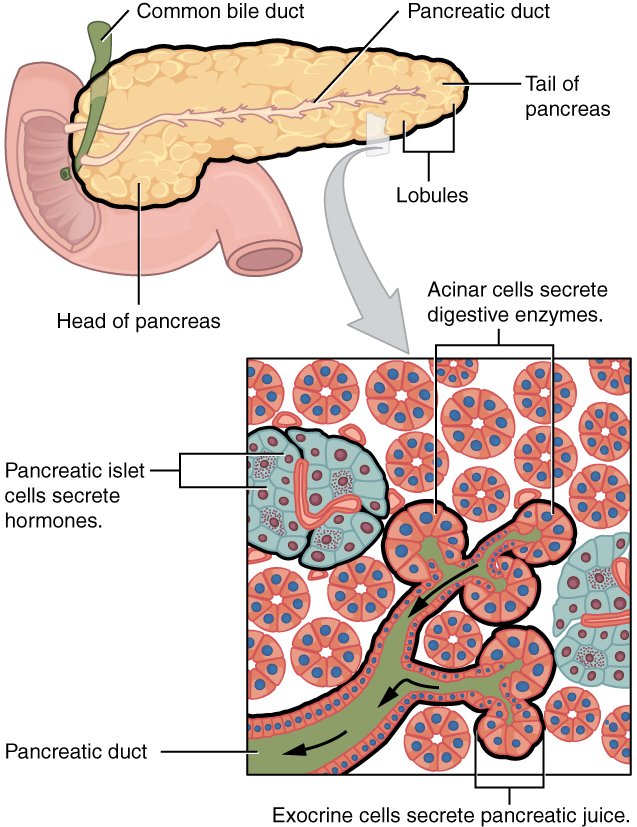
Diabetes mellitus encompasses a group of metabolic disorders characterized by hyperglycemia resulting from defects in insulin secretion, insulin action, or both.
Type 1 Diabetes
An autoimmune disease in which the immune system destroys the insulin-producing beta cells of the pancreatic islets. It accounts for 5–10% of all diabetes. Onset is typically in childhood or adolescence, but can occur at any age.
Pathophysiology. Autoantibodies against insulin, glutamic acid decarboxylase (GAD), islet antigen-2 (IA-2), and zinc transporter 8 (ZnT8) are present months to years before clinical onset. Genetic susceptibility is conferred by HLA-DR3 and HLA-DR4 haplotypes. Environmental triggers (enteroviruses, dietary factors) may initiate autoimmunity in genetically susceptible individuals.
Clinical presentation. Polyuria, polydipsia, polyphagia, weight loss, and ketoacidosis (DKA) at initial presentation. DKA is a medical emergency characterized by hyperglycemia, ketosis, and metabolic acidosis, managed with intravenous fluids, insulin, and electrolyte replacement.
Management. Intensive insulin therapy through multiple daily injections or continuous subcutaneous insulin infusion (insulin pump). Continuous glucose monitoring (CGM) improves glycemic control and reduces hypoglycemia. The goal of therapy is to maintain hemoglobin A1c below 7.0% while minimizing hypoglycemia.
Type 2 Diabetes
Accounts for 90–95% of diabetes. It is characterized by insulin resistance and progressive beta-cell dysfunction. Risk factors include obesity, physical inactivity, family history, age, and ethnicity.
Pathophysiology. Insulin resistance in muscle, liver, and adipose tissue is compensated by increased insulin secretion. When beta cells can no longer maintain sufficient insulin secretion, hyperglycemia develops. Adipose tissue dysfunction, inflammation, and lipotoxicity contribute to beta-cell failure.
Management. Lifestyle modification (weight loss, exercise, dietary changes) is first-line therapy. Metformin is the initial pharmacologic agent. Additional agents include sulfonylureas, DPP-4 inhibitors, GLP-1 receptor agonists (which also reduce cardiovascular risk and promote weight loss), SGLT2 inhibitors (which reduce cardiovascular and renal outcomes), thiazolidinediones, and insulin.
Chronic Complications
Microvascular. Diabetic retinopathy is the leading cause of preventable blindness in working-age adults. Diabetic nephropathy progresses through stages of albuminuria to end-stage renal disease. Diabetic neuropathy causes distal symmetric polyneuropathy, autonomic dysfunction (gastroparesis, orthostatic hypotension, erectile dysfunction), and foot ulcers, which can lead to amputation.
Macrovascular. Diabetes dramatically increases the risk of coronary artery disease, cerebrovascular disease, and peripheral arterial disease. Intensive glycemic control reduces microvascular complications but has a more modest effect on macrovascular outcomes, which are better addressed by blood pressure control, statin therapy, and antiplatelet agents.
Thyroid Disorders
Hyperthyroidism
Excess thyroid hormone (T4 and T3) accelerates metabolism. Graves disease, an autoimmune disorder caused by TSH receptor-stimulating antibodies, is the most common cause. Symptoms include weight loss, palpitations, heat intolerance, tremor, anxiety, and exophthalmos (in Graves). Treatment options include antithyroid drugs (methimazole), radioactive iodine ablation, and thyroidectomy.
Hypothyroidism
Insufficient thyroid hormone slows metabolism. Hashimoto thyroiditis (autoimmune) is the most common cause in iodine-sufficient regions. Symptoms include fatigue, weight gain, cold intolerance, constipation, dry skin, and bradycardia. Treatment is levothyroxine replacement, titrated to normalize TSH.
Thyroid Nodules and Cancer
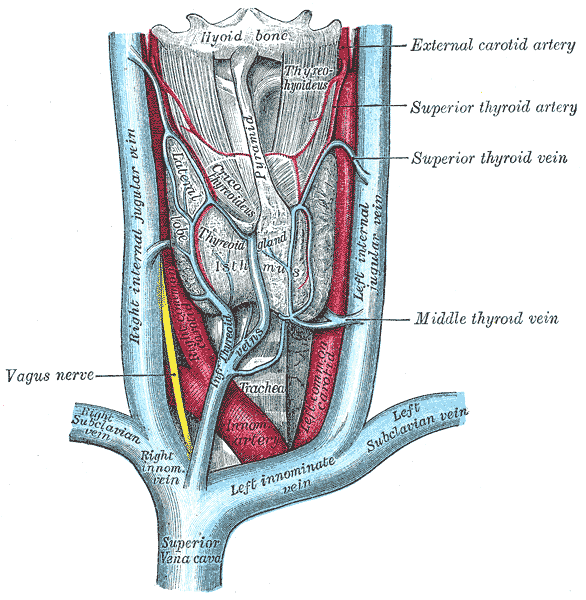
Thyroid nodules are common, found in up to 50% of the population by ultrasound. Most are benign. Ultrasound features (nodule size, composition, margins, echogenicity, calcifications) guide the decision for fine-needle aspiration biopsy. The Bethesda System classifies cytology from benign to malignant. Differentiated thyroid cancers (papillary, follicular) have excellent prognosis; medullary and anaplastic thyroid cancers have worse outcomes.
Adrenal Disorders
Adrenal Insufficiency
Primary adrenal insufficiency (Addison disease) results from destruction of the adrenal cortex (autoimmune, infectious, hemorrhagic). Secondary adrenal insufficiency results from pituitary or hypothalamic dysfunction (chronic glucocorticoid use is the most common cause). Symptoms include fatigue, weight loss, hyperpigmentation (in primary), hypotension, and hyponatremia. Adrenal crisis — hypotension, vomiting, hypoglycemia, and electrolyte disturbances — is a medical emergency treated with intravenous hydrocortisone and fluids.
Cushing Syndrome
Excess cortisol from endogenous (pituitary adenoma [Cushing disease], adrenal adenoma, ectopic ACTH) or exogenous (glucocorticoid therapy) sources. Features include central obesity, moon facies, buffalo hump, purple striae, hypertension, diabetes, osteoporosis, and immunosuppression. Diagnosis involves screening (24-hour urinary free cortisol, late-night salivary cortisol, dexamethasone suppression test) followed by localization (ACTH level, MRI, CT, petrosal sinus sampling).
Pheochromocytoma
A catecholamine-secreting tumor of the adrenal medulla. Presents with episodic hypertension, headache, palpitations, and diaphoresis. Diagnosis by plasma metanephrines or 24-hour urinary fractionated metanephrines. Treatment is surgical resection after preoperative alpha-blockade (phenoxybenzamine, doxazosin) to prevent intraoperative hypertensive crisis.
Pituitary Disorders
Pituitary adenomas. Most pituitary tumors are benign adenomas. They cause symptoms through hormone excess (prolactinoma — galactorrhea, hypogonadism; acromegaly — GH excess causing acral enlargement, diabetes, cardiovascular disease; Cushing disease — ACTH excess) or mass effect (visual field defects from optic chiasm compression, headache, hypopituitarism). Prolactinomas are treated with dopamine agonists (cabergoline). Other adenomas require transsphenoidal surgical resection.
Hypopituitarism. Partial or complete deficiency of anterior pituitary hormones. Causes include pituitary tumors, surgery, radiation, Sheehan syndrome (postpartum pituitary infarction), lymphocytic hypophysitis, and infiltrative diseases. Replacement of target gland hormones (thyroid, adrenal, gonadal) and, in children, growth hormone is required.
Summary
Endocrine disorders span a wide spectrum from common conditions (diabetes, thyroid disease) to rare tumors (pheochromocytoma, pituitary adenoma). Diabetes mellitus is a global epidemic requiring comprehensive management of both glycemia and cardiovascular risk factors. Thyroid disorders are readily diagnosed with sensitive TSH assays and effectively treated with hormone replacement or antithyroid drugs. Adrenal and pituitary disorders, though less common, require precise diagnostic evaluation and often multidisciplinary care. The synthesis of hormonal physiology, laboratory testing, and imaging is essential for accurate diagnosis and optimal management.