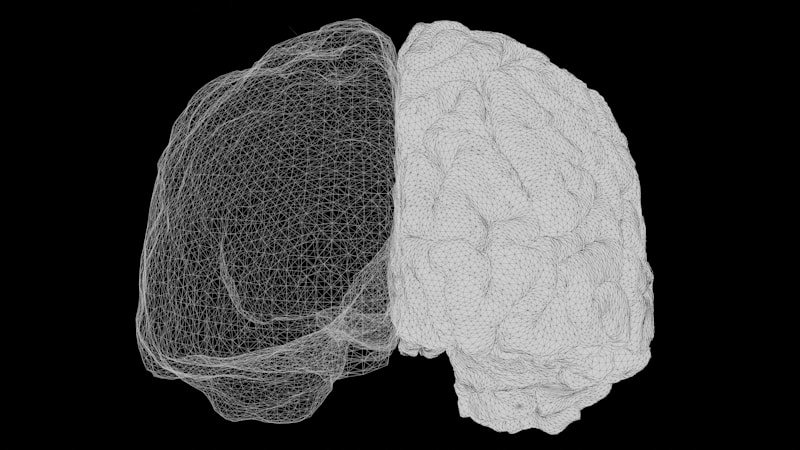
Definition of Mental Health
The World Health Organization (WHO) defines mental health as “a state of well-being in which the individual realizes their own abilities, can cope with the normal stresses of life, can work productively and fruitfully, and is able to make a contribution to their community.” Mental health is not merely the absence of mental disorder — it exists on a spectrum that encompasses emotional, psychological, and social well-being.
Mental health affects how individuals think, feel, and behave. It determines how people handle stress, relate to others, and make choices. Mental health is important at every stage of life, from childhood through adolescence and adulthood.
Core Components of Mental Health
| Domain | Description | Indicators |
|---|---|---|
| Emotional well-being | Ability to manage emotions, experience positive affect | Life satisfaction, happiness, emotional regulation |
| Psychological well-being | Self-acceptance, personal growth, purpose in life | Autonomy, mastery, meaning |
| Social well-being | Positive relationships, social contribution, belonging | Social integration, acceptance, coherence |
The Mental Health Continuum
Mental health is not a binary state (healthy vs. ill) but exists along a continuum. The dual-continua model proposes that mental health and mental illness are related but distinct dimensions.
Mental Health Continuum Model
| Zone | Characteristics | Functioning | Examples |
|---|---|---|---|
| Flourishing | High emotional, psychological, social well-being | Optimal functioning | Positive relationships, meaning, purpose |
| Moderate mental health | Moderate well-being | Adequate functioning | Managing daily life with occasional difficulty |
| Languishing | Low well-being, emptiness, stagnation | Impaired functioning | Feeling stuck, lack of meaning |
| Mental distress | Reversible stress reactions | Mild-moderate impairment | Anxiety, sadness, sleep issues (stress-related) |
| Mental health problem | Symptoms meeting some criteria | Moderate-severe impairment | Subthreshold symptoms, functional decline |
| Mental disorder | Meets DSM-5 diagnostic criteria | Significant impairment | MDD, GAD, schizophrenia |
Key Principles
- Individuals can move along the continuum in either direction
- Early intervention can prevent progression from distress to disorder
- Recovery is possible even in severe mental illness
- Mental health promotion benefits everyone, regardless of diagnosis status
The Biopsychosocial Model
The biopsychosocial model, first articulated by George Engel in 1977, provides a comprehensive framework for understanding mental health and illness. It posits that biological, psychological, and social factors all play significant roles in human functioning.
Biological Factors
Genetics:
- Heritability estimates vary by disorder:
- Bipolar disorder: 60-85%
- Schizophrenia: 70-85%
- Major depressive disorder: 30-40%
- Anxiety disorders: 20-40%
- Polygenic risk: Most disorders involve multiple genes of small effect
- Gene-environment interactions: Genetic vulnerability may only manifest in certain environmental contexts
Neurobiology:
- Neurotransmitter systems (serotonin, dopamine, norepinephrine, GABA, glutamate)
- Brain structure and connectivity (prefrontal cortex, amygdala, hippocampus)
- Neuroendocrine function (HPA axis, cortisol)
- Neuroinflammation and immune system involvement
Physical health:
- Chronic medical conditions increase mental health risk
- Sleep, nutrition, exercise affect mental health
- Substance use can induce or worsen mental health conditions
Psychological Factors
Cognitive patterns:
- Maladaptive schemas and beliefs
- Cognitive distortions (all-or-nothing thinking, catastrophizing)
- Attributional style (internal, stable, global for negative events)
Emotional regulation:
- Ability to identify, understand, and manage emotions
- Emotional reactivity and recovery
- Coping strategies (adaptive vs. maladaptive)
Developmental factors:
- Early attachment experiences
- Childhood adversity and trauma
- Personality development
Social Factors
Environmental context:
- Family relationships and dynamics
- Social support networks
- Socioeconomic status and poverty
- Education and employment
Cultural influences:
- Cultural norms around emotional expression
- Help-seeking behaviors
- Explanatory models of illness
- Stigma and discrimination
Life events:
- Acute stressors (loss, trauma, transition)
- Chronic stressors (caregiving, financial strain)
- Positive events (marriage, promotion)
Epidemiology of Mental Disorders
Mental disorders are among the leading causes of disability worldwide. Understanding their distribution and determinants is essential for public health planning.
Global Burden
| Metric | Value |
|---|---|
| Lifetime prevalence (any mental disorder) | ~30-50% |
| 12-month prevalence (any mental disorder) | ~18-25% |
| Years lived with disability (YLDs) | Leading cause globally |
| DALYs attributable to mental disorders | ~5-10% of total |
| Treatment gap (low-/middle-income countries) | 70-90% untreated |
Prevalence by Disorder Category
| Disorder Category | Lifetime Prevalence | 12-Month Prevalence | Median Age of Onset |
|---|---|---|---|
| Anxiety disorders | ~28-32% | ~18-20% | 11 years |
| Mood disorders | ~20-25% | ~8-10% | 30 years |
| Substance use disorders | ~15-20% | ~8-10% | 20 years |
| Impulse-control disorders | ~25% | ~10% | 11 years |
| Schizophrenia and psychotic disorders | ~1% | ~0.5% | 22 years |
Age and Gender Differences
| Age Group | Key Findings |
|---|---|
| Children (5-12) | ~13-20% experience mental disorder; ADHD, anxiety most common |
| Adolescents (13-18) | ~20-25% experience mental disorder; anxiety, mood disorders, behavioral disorders |
| Adults (19-64) | ~18-25% experience mental disorder annually |
| Older adults (65+) | ~15-20% experience mental disorder; often underdiagnosed |
| Gender Differences | Rates |
|---|---|
| Depression (female:male) | 2:1 |
| Anxiety disorders (female:male) | 1.5-2:1 |
| ADHD (male:female) | 2-3:1 in childhood; approaches 1:1 in adulthood |
| Autism (male:female) | 4:1 |
| Substance use disorders (male:female) | 2:1 |
| Antisocial personality (male:female) | 3:1 |
| Borderline personality (female:male) | 3:1 |
Course and Prognosis
Typical Patterns:
- Episodic: Mood disorders (episodes with recovery between)
- Chronic persistent: Schizophrenia, personality disorders
- Relapsing-remitting: Substance use disorders, some anxiety disorders
- Variable: Eating disorders, trauma-related disorders
Comorbidity:
- Mental disorders frequently co-occur (50%+ of individuals with one disorder meet criteria for another)
- Common comorbid pairs: anxiety and depression, substance use and mood disorders, PTSD and substance use
- Medical comorbidity: Cardiovascular disease, diabetes, chronic pain are more common in individuals with mental disorders
Stigma and Mental Health
Stigma is a major barrier to mental health care and recovery. It involves stereotypes, prejudice, and discrimination directed at individuals with mental health conditions.
Types of Stigma
| Type | Definition | Example |
|---|---|---|
| Public stigma | Negative attitudes held by the general public | Belief that people with mental illness are dangerous |
| Self-stigma | Internalization of public stigma | Feeling shame about one’s own mental health condition |
| Structural stigma | Policies and practices that disadvantage people with mental illness | Insurance discrimination, inadequate funding |
| Label avoidance | Avoiding treatment to escape stigmatizing labels | Not seeking help for symptoms |
| Courtesy stigma | Stigma experienced by those associated with someone with mental illness | Family members, clinicians |
Impact of Stigma
| Domain | Effects |
|---|---|
| Treatment seeking | 30-50% of individuals with mental illness do not seek treatment; stigma is a primary reason |
| Employment | Lower hiring rates, wage gaps, workplace discrimination |
| Housing | Difficulty obtaining and maintaining housing |
| Social relationships | Social rejection, isolation, reduced support networks |
| Self-concept | Reduced self-esteem, self-efficacy, hope |
| Recovery | Slower recovery, worse outcomes, lower quality of life |
Strategies to Reduce Stigma
Contact-based interventions:
- Personal contact with individuals who have mental illness and are living well
- Most effective when contact is with someone of similar age/background
- Reduces prejudice more effectively than education alone
Education:
- Factual information about mental disorders
- Emphasis on recovery and treatment effectiveness
- Challenging myths and misconceptions
Protest:
- Public condemnation of stigmatizing media portrayals
- Advocacy for accurate representation
- Campaigns against discriminatory language
Structural approaches:
- Anti-discrimination legislation
- Parity laws for mental health insurance coverage
- Anti-stigma policies in workplaces and schools
Recovery Model
The recovery model emphasizes that individuals with mental illness can lead meaningful, fulfilling lives. Core principles include:
- Hope: Recovery is possible; people can and do recover
- Self-determination: Individuals make their own decisions about treatment and life goals
- Person-centered care: Services tailored to individual needs and preferences
- Peer support: Learning from others with lived experience
- Meaningful roles: Employment, education, relationships, community participation
- Holistic approach: Addressing all aspects of a person’s life, not just symptoms
Why Mental Health Matters
Mental health is fundamental to overall health and well-being. Key reasons for its importance include:
- Prevalence: Mental disorders are common and affect people across the lifespan
- Impact: Mental disorders are leading causes of disability and contribute to mortality (including suicide, which accounts for ~700,000 deaths annually worldwide)
- Economic burden: Global cost of mental disorders estimated at $2.5 trillion (2010), projected to reach $6 trillion by 2030
- Preventability: Mental disorders can often be prevented or mitigated with early intervention
- Treatability: Evidence-based treatments exist for all mental disorders
- Human rights: People with mental illness are entitled to dignity, autonomy, and quality care
References
- World Health Organization. (2022). Mental health: strengthening our response. WHO Fact Sheet.
- National Institute of Mental Health. (2023). Mental Health Information. NIMH.
- Substance Abuse and Mental Health Services Administration. (2023). Mental Health and Substance Use. SAMHSA.
- Engel, G. L. (1977). The need for a new medical model: a challenge for biomedicine. Science, 196(4286), 129-136.
- Keyes, C. L. (2002). The mental health continuum: from languishing to flourishing in life. Journal of Health and Social Behavior, 43(2), 207-222.
- Corrigan, P. W., & Watson, A. C. (2002). Understanding the impact of stigma on people with mental illness. World Psychiatry, 1(1), 16-20.
- Global Burden of Disease Collaborative Network. (2021). Global Burden of Disease Study 2019. Lancet.