Exercise is broadly classified by the primary energy system utilized, the type of muscle contraction, the movement pattern, and the training goal. This tutorial provides an exhaustive classification of exercise types with their physiological underpinnings and practical applications.
Classification by Energy System
Aerobic (Oxidative) Exercise
Aerobic exercise involves sustained, rhythmic activity that relies primarily on the oxidative energy system, where oxygen supply meets demand. Aerobic exercise involves durations longer than 2-3 minutes at intensities of 40-85% of VO2max. Primary fuel sources shift from muscle glycogen (early) to plasma free fatty acids (as duration increases). Byproducts are CO2 and water — no significant lactate accumulation at steady state.
Exercise intensity is classified by heart rate zones. Very light intensity (under 57% HRmax) provides minimal adaptation. Light intensity (57-63% HRmax) targets general health. Moderate intensity (64-76% HRmax) improves aerobic fitness. Vigorous intensity (77-95% HRmax) maximizes cardiorespiratory adaptation. Near-maximal to maximal intensity (over 96% HRmax) is for elite performance and interval training. Examples of aerobic exercise include walking, running, cycling, swimming, rowing, elliptical training, and hiking.
Anaerobic Exercise
Anaerobic exercise involves high-intensity activity that exceeds the capacity of the oxidative system, relying on the phosphagen (ATP-PCr) and glycolytic energy systems. The phosphagen system provides energy for maximal efforts lasting 0-10 seconds (sprinting, heavy lifting, jumping). The glycolytic system provides energy for high-intensity efforts lasting 10 seconds to 2 minutes (400-meter sprint, high-repetition resistance training, high-intensity interval training).
Anaerobic exercise produces lactate as a byproduct, which dissociates to lactate and hydrogen ions — the accumulating hydrogen ions cause the burning sensation and fatigue. Regular anaerobic training improves lactate threshold, buffering capacity, and the ability to sustain high-intensity efforts. Examples include sprinting (100-400 meters), heavy resistance training, plyometrics (jump training), HIIT, and sport-specific high-intensity drills.
Comparison of Energy Systems
The phosphagen system produces ATP very rapidly but depletes in 5-10 seconds. The glycolytic system produces ATP moderately rapidly, sustaining high-intensity work for 30 seconds to 2 minutes, with limited total capacity and lactate accumulation as a byproduct. The oxidative system produces ATP slowly but has virtually unlimited capacity, sustaining activity for hours with only CO2 and water as byproducts. Most activities use a combination of all three systems, with the relative contribution depending on intensity and duration.
Classification by Activity Type
Cardiovascular (Aerobic) Training
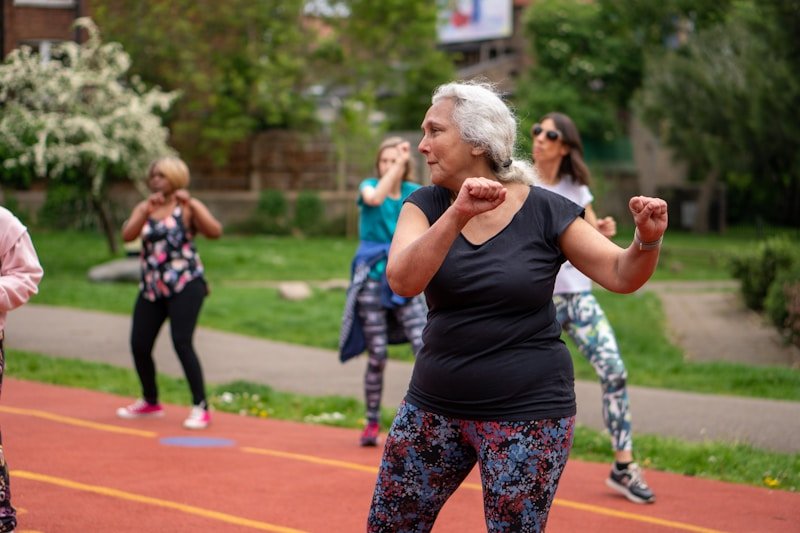
Cardiovascular training improves cardiorespiratory fitness (VO2max), heart function, and metabolic health. The ACSM recommends 3-5 days per week of 20-60 minutes per session at moderate to vigorous intensity. Activities include walking, running, cycling, swimming, rowing, elliptical, stair climbing, and group fitness classes. For health benefits, accumulate at least 150 minutes of moderate or 75 minutes of vigorous activity per week.
Resistance (Strength) Training
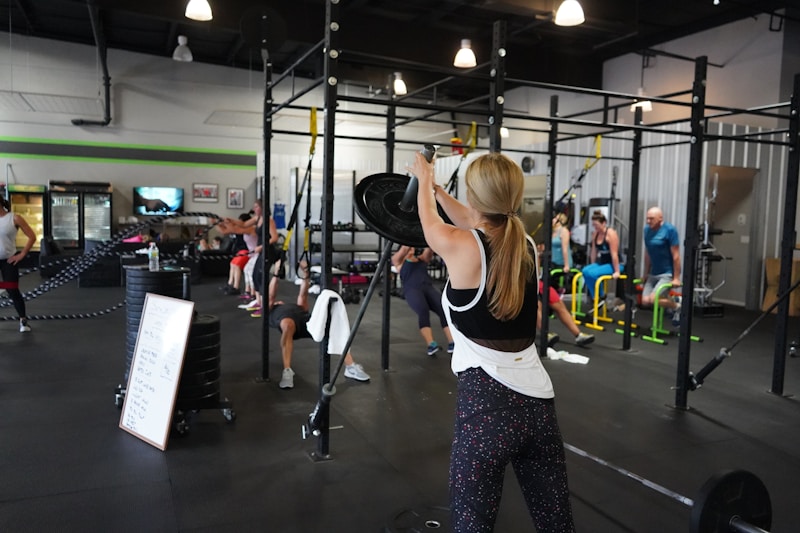
Resistance training improves muscular strength, endurance, power, and hypertrophy. The ACSM recommends 2-3 days per week targeting all major muscle groups. Perform 8-12 repetitions for strength, 15-25 for muscular endurance, and 3-6 for maximal strength/power. Exercises include bodyweight movements (push-ups, pull-ups, squats, lunges), free weights (barbells, dumbbells, kettlebells), machines, and resistance bands.
Flexibility Training
Flexibility training improves range of motion around joints, reduces muscle tension, and may reduce injury risk (though the evidence for injury prevention is mixed). Static stretching involves holding a stretch at the end of range of motion for 15-60 seconds. Dynamic stretching involves controlled movement through a full range of motion (leg swings, arm circles, walking lunges). PNF (proprioceptive neuromuscular facilitation) involves alternating contraction and relaxation of the target muscle group. The ACSM recommends 2-3 days per week of flexibility training, holding static stretches for 15-30 seconds, performed after exercise or as a standalone session.
Balance Training
Balance training improves postural control and reduces fall risk, especially in older adults and those with neurologic conditions. Exercises include single-leg stance, tandem stance (heel-to-toe), unstable surface training (balance boards, foam pads), and dynamic balance movements (walking on a line, reaching while standing on one leg). The CDC and ACSM recommend balance training 2-3 days per week for older adults and those at risk of falls.
Specialized Exercise Modalities
High-intensity interval training (HIIT) involves repeated bouts of high-intensity effort (85-100% HRmax) separated by recovery periods. HIIT produces comparable or superior improvements in VO2max compared to moderate-intensity continuous training in less time (typically 20-30 minutes per session). It also improves insulin sensitivity, anaerobic capacity, and may produce greater enjoyment in some individuals.
Plyometric training involves explosive jumping and bounding movements that develop power through the stretch-shortening cycle. Examples include box jumps, squat jumps, bounding, and clap push-ups. Plyometrics improve vertical jump, sprint speed, and power output.
Mind-body exercise includes yoga, Pilates, and tai chi. Yoga combines postures, breathing techniques, and meditation, improving flexibility, strength, balance, and stress reduction. Pilates focuses on core strength, posture, and controlled movement. Tai chi integrates slow, flowing movements with breath control and is particularly effective for balance and fall prevention in older adults.
Summary
Exercise is classified by energy system (aerobic, anaerobic) and by activity type (cardiovascular, resistance, flexibility, balance). A comprehensive program includes all types. HIIT, plyometrics, and mind-body exercise are specialized modalities with specific benefits. ACSM and WHO guidelines recommend 150+ minutes of moderate aerobic activity plus 2 resistance training sessions per week, supplemented by flexibility and balance training.