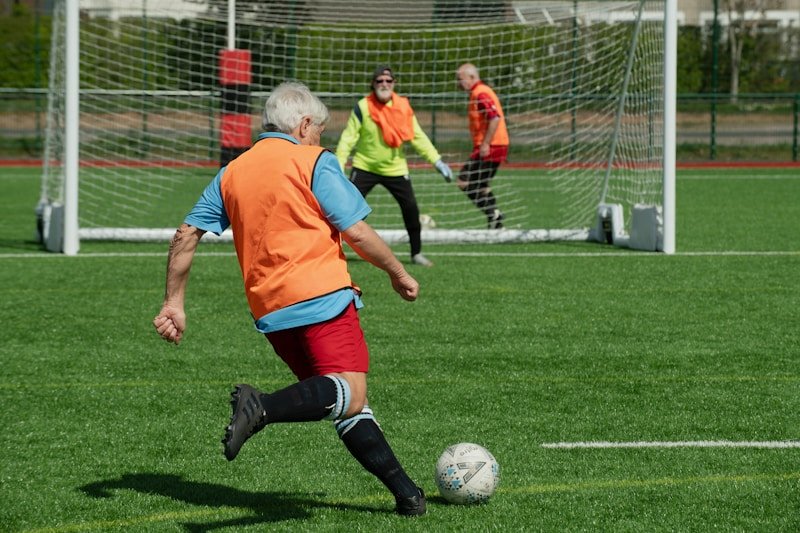
Aging Physiology: Age-Related Changes Across Body Systems and Theories of Aging
Exhaustive guide to physiological changes of aging including cardiovascular, respiratory, renal, immune, musculoskeletal, and sensory system changes, plus theories of aging (telomere shortening, free radical, mitochondrial, epigenetics).
This content is for informational purposes only. Always consult a healthcare professional.
Introduction
Aging is characterized by progressive loss of physiological function, reduced reserve capacity (homeostenosis), and increased vulnerability to disease and stress. The rate of aging varies between individuals and is influenced by genetics, environment, and lifestyle. Understanding age-related changes is essential for distinguishing normal aging from disease.
Theories of Aging
Major Theories
Theory
Mechanism
Evidence
Telomere shortening
Each cell division shortens telomeres; critically short telomeres trigger senescence or apoptosis
Strong; telomere length correlates with lifespan; telomerase extends lifespan in animal models
Free radical/oxidative stress
Accumulation of reactive oxygen species (ROS) damages DNA, proteins, and lipids
Moderate; antioxidants extend lifespan in some models but not humans
Mitochondrial theory
Accumulated mtDNA mutations impair oxidative phosphorylation, increasing ROS production
Moderate; mtDNA mutation load increases with age
Caloric restriction
Reduced caloric intake activates sirtuins, AMPK, mTOR inhibition, and autophagy
Strong in model organisms; moderate in primates; human epidemiology supports
Epigenetic clock
Age-related changes in DNA methylation patterns (Horvath clock) predict biological age
Strong correlation; epigenetic age may be modifiable
Inflammaging
Chronic low-grade inflammation (IL-6, TNF-alpha, CRP) increases with age and drives age-related disease
Strong; inflammation predicts frailty, CVD, dementia
Immunosenescence
Age-related decline in immune function increases infection risk and decreases vaccine response
Strong
Growth hormone/IGF-1 axis
Reduced GH/IGF-1 signaling extends lifespan in many species
Complex; low IGF-1 associated with longevity but also frailty
Cardiovascular System
Parameter
Age-Related Change
Clinical Impact
Arterial stiffness
Increased (decreased compliance from elastin fragmentation, collagen cross-linking, calcification)
Increased systolic BP, widened pulse pressure, increased LV afterload
Left ventricular wall thickness
Increased (mild concentric hypertrophy)
Reduced early diastolic filling (diastolic dysfunction)
Maximum heart rate
Decreased (maximum HR = 220 - age)
Reduced maximum cardiac output
Baroreceptor sensitivity
Decreased
Increased orthostatic hypotension, postprandial hypotension
Conduction system fibrosis
Increased fibrosis of SA node, AV node, bundle branches
Increased risk of arrhythmias (AFib, sick sinus syndrome, heart block)
Aortic valve
Thickening, calcification
Aortic sclerosis (25% >65); aortic stenosis (2-7% >75)
Endothelial function
Impaired nitric oxide-mediated vasodilation
Increased vascular resistance, decreased perfusion
Cardiac output (rest)
No significant change
Normal resting function
Cardiac output (maximum)
Decreased 20-30% by age 65
Reduced exercise capacity
Respiratory System
Parameter
Age-Related Change
Clinical Impact
Chest wall compliance
Decreased (stiffer rib cage, calcified costal cartilages)
Increased work of breathing
Lung elastic recoil
Decreased (loss of elastin)
Increased closing volume, air trapping
FEV1
Decreases 20-30 mL/year after age 25
Reduced expiratory flow rates
FVC
Decreases 15-30 mL/year
Reduced total volume
FEV1/FVC ratio
Decreases slightly (maintain >0.70)
May approach obstructive pattern
DLCO (diffusing capacity)
Decreases 0.5-1% per year
Reduced gas exchange efficiency
Arterial PaO2
Decreases (mild)
Lower baseline oxygen
Ventilatory response to hypoxia/hypercapnia
Decreased
Blunted response to respiratory stress
Mucus clearance
Impaired (reduced ciliary function)
Increased infection risk
Respiratory muscle strength
Decreased (diaphragm, intercostals)
Reduced cough effectiveness
Renal System
Parameter
Age-Related Change
Clinical Impact
Glomerular filtration rate (GFR)
Declines approximately 1 mL/min/year after age 30-40
Reduced drug clearance; note: serum Cr may stay normal due to reduced muscle mass
Renal blood flow
Decreases 10% per decade
Reduced perfusion reserve
Number of glomeruli
Decreases 30-50% by age 70
Reduced filtration reserve
Tubular function
Impaired concentrating and diluting ability
Reduced response to fluid/electrolyte stress
Urinary concentrating ability
Decreased maximum urine osmolality
Predisposition to dehydration
Sodium conservation
Impaired
Predisposition to hyponatremia or volume depletion
Potassium handling
Impaired (especially with RAAS-altering medications)
Increased hyperkalemia risk
Nocturnal natriuresis
Loss of day-night difference
Nocturia
Bladder capacity
Decreased, with increased residual volume
Urinary frequency, incomplete emptying
Immune System (Immunosenescence)
Component
Change
Clinical Impact
T-cell production (thymic involution)
Markedly reduced
Decreased naive T cells, increased memory T cells
T-cell function
Reduced proliferation, impaired signaling
Poor response to new antigens, vaccines
B-cell production
Decreased
Reduced antibody diversity
Antibody response
Decreased affinity, specificity
Poor vaccine response (influenza, pneumococcal, tetanus)
Innate immunity (neutrophils, macrophages)
Reduced phagocytic function, chemotaxis
Slower wound healing
Natural killer cells
Increased number but decreased function
Reduced tumor surveillance
Cytokine production
Increased pro-inflammatory cytokines (IL-6, TNF-alpha, CRP)
Chronic inflammation (inflammaging) contributes to frailty
Memory T/B cells
Maintained
Protection against previously encountered pathogens retained
Musculoskeletal System
Parameter
Age-Related Change
Clinical Impact
Bone mineral density
Decreases (accelerates in women after menopause, men after 70)
Osteoporosis, fracture risk
Muscle mass (sarcopenia)
Losses of 3-8% per decade after age 30; accelerates after 60
Weakness, frailty, falls, reduced mobility
Muscle strength
Decreases 10-15% per decade after age 50
Functional decline, difficulty with ADLs
Type II (fast-twitch) muscle fibers
Selective atrophy
Reduced power, speed, balance
Cartilage
Thinning, fibrillation, decreased water content
Osteoarthritis
Intervertebral discs
Desiccation, herniation
Height loss (1-3 inches total), kyphosis
Tendon/ligament strength
Decreased
Increased injury risk
Joint range of motion
Decreased
Stiffness, functional limitation
Nervous System
Parameter
Age-Related Change
Clinical Impact
Brain weight
Decreases 5-10%
Mild atrophy (frontal, temporal, hippocampus)
Cortical thinning
Especially prefrontal cortex
Processing speed decline
White matter
Loss of myelinated fibers; white matter hyperintensities
Cognitive slowing, executive function decline
Neurotransmitters
Reduced dopamine, serotonin, acetylcholine
Mood changes, motor slowing, memory changes
Cerebral blood flow
Decreased 15-20%
Reduced metabolic reserve
Sleep architecture
Decreased N3 slow wave sleep, increased awakenings
Lighter, more fragmented sleep
Reaction time
Increased
Slower responses
Processing speed
Decreased
Cognitive tasks take longer
Memory
Episodic memory declines; semantic memory preserved
Forgetting names, word-finding difficulty (“tip of the tongue”)
Executive function
Decline in complex attention, task-switching, inhibition
Difficulty multitasking, decision-making slowing
Sensory Systems
System
Age-Related Change
Clinical Impact
Vision
Presbyopia (loss of accommodation) requiring reading glasses by 40-50
Difficulty with near tasks
Vision (lens)
Cataract formation (lens opacification); 50% have cataracts by age 65
Reduced visual acuity, glare sensitivity
Vision (macula)
Age-related macular degeneration (AMD)
Central vision loss
Vision (intraocular pressure)
Increased risk of glaucoma
Peripheral vision loss
Pupil size
Decreased (senile miosis)
Reduced night vision, slow dark adaptation
Hearing
Presbycusis (high-frequency hearing loss); 1/3 affected by 65, 1/2 by 75
Difficulty hearing in background noise, social isolation
Taste
Decreased number of taste buds; threshold increased >50%
Reduced taste perception, may over-salt/over-sugar food
Smell
Reduced olfactory sensitivity; 50% >65 have significant loss
Reduced appetite, decreased ability to detect gas leaks or spoiled food
Touch/vibration
Decreased vibratory sense (especially in feet)
Reduced proprioception, fall risk
Pain perception
May be altered (increased threshold for some pain)
Atypical presentation of disease (e.g., “silent” MI)
Endocrine System
Parameter
Age-Related Change
Clinical Impact
Growth hormone
Decreased 15% per decade
Reduced muscle mass, increased fat
IGF-1
Decreased in parallel with GH
Similar to GH
Testosterone (men)
Decreases 1% per year after 30
20% of men >70 have low testosterone
Estrogen (women)
Marked drop at menopause
Menopausal symptoms, bone loss, CV risk
Thyroid function
TSH increases slightly; T3 decreases
Mild hypothyroidism common
Parathyroid hormone
Increases with age
Secondary hyperparathyroidism, bone loss
Vitamin D
Decreased absorption, synthesis
Deficiency in 30-50% of elderly
Insulin resistance
Increases
Increased risk of type 2 diabetes
Melatonin
Decreased production
Sleep disruption
Cortisol
May increase (variable)
Possible contribution to sarcopenia, metabolic syndrome
Gastrointestinal System
Parameter
Age-Related Change
Clinical Impact
Esophageal motility
Decreased amplitude, incomplete sphincter relaxation
Dysphagia, GERD
Gastric acid secretion
Decreased (20-30% of elderly have atrophic gastritis)
B12 malabsorption, increased infection risk
Gastric emptying
Slowed
Early satiety, decreased appetite
Small intestine
Mild villous atrophy, decreased absorptive surface
Mild nutrient malabsorption
Colonic motility
Decreased
Constipation (25-40% of elderly)
Hepatic mass/blood flow
Decreased 20-40% by age 75
Reduced drug metabolism (first-pass)
Gallbladder
Increased bile lithogenicity
Increased gallstone prevalence
Pancreatic exocrine function
Decreased enzyme secretion
Mild fat malabsorption
Integumentary System (Skin)
Parameter
Age-Related Change
Clinical Impact
Epidermal thinning
10-50% reduction
Thin, fragile skin; easy bruising
Dermal collagen/elastin
Decreased, cross-linked
Wrinkling, decreased elasticity, delayed wound healing
Subcutaneous fat
Decreased
Reduced insulation, increased hypothermia risk, pressure ulcer risk
Sweat glands
Decreased number and function
Reduced thermoregulation (heat intolerance)
Hair
Graying, thinning (androgenetic alopecia)
Cosmetic concerns
Nails
Thickened, brittle, slowed growth
Difficulty trimming, onychomycosis
Vitamin D synthesis
Reduced 75% by age 70
Vitamin D deficiency
Pharmacokinetics in Aging
Parameter
Change
Clinical Impact
Absorption
Minimal change
Generally not significant
Distribution
Decreased lean body mass, increased fat, decreased body water
Increased Vd for lipophilic drugs (benzodiazepines), decreased Vd for hydrophilic (lithium)
Albumin
Decreased (mild)
Increased free fraction of protein-bound drugs (warfarin, phenytoin)
Hepatic metabolism (Phase I)
Decreased CYP450 activity (30-50%)
Reduced clearance of many drugs
Hepatic metabolism (Phase II)
Relatively preserved
Conjugation reactions intact
Renal clearance
Decreased (parallels GFR decline)
Accumulation of renally cleared drugs
Half-life
Increased for most drugs
Longer duration of effect, increased toxicity risk
Homeostenosis (Loss of Reserve)
System
Reserve Loss
Manifestation Under Stress
Cardiovascular
Fixed stroke volume, reduced max HR
Delirium, falls, fatigue with mild illness
Renal
Limited GFR increase
Acute kidney injury with dehydration, nephrotoxins
Hepatic
Reduced clearance
Toxicity from medications at standard doses
Neurologic
Reduced neuronal reserve
Delirium with mild infection, medication
Immune
Reduced leukocyte response
Atypical presentation of infection (no fever, no leukocytosis)
Respiratory
Reduced forced expiratory volumes
Rapid decompensation with pneumonia
Thermoregulation
Impaired temperature regulation
Hypothermia with mild cold exposure; hyperthermia in heat
Musculoskeletal
Sarcopenia, osteopenia
Fracture with minimal trauma; fall from mild perturbation