Introduction
Naturopathic medicine is a distinct system of primary healthcare that approaches the patient as a whole person whose body possesses an inherent capacity for self-healing. For the student entering this field, the first and most important concept to grasp is that naturopathy is not simply a collection of natural therapies — it is a philosophical framework that determines how a clinician thinks about disease, health, and the therapeutic relationship. Naturopathic doctors (NDs) complete four years of accredited post-graduate medical training at institutions such as the National University of Natural Medicine or Bastyr University, where they study conventional biomedical sciences alongside clinical nutrition, botanical medicine, homeopathy, hydrotherapy, physical medicine, and lifestyle counseling. The integration is genuine and rigorous: NDs are trained to understand pharmaceutical mechanisms and surgical indications even as their primary toolkit emphasizes diet, lifestyle, and natural substances. For patients, this means a consultation with an ND typically lasts forty-five to ninety minutes — substantially longer than the average conventional medical visit — and explores not only symptoms but diet, sleep, stress, environment, relationships, and personal health goals.

The Six Principles of Naturopathic Medicine
The six principles that guide naturopathic practice are not abstract ideals — they directly inform clinical decision-making. The first, Primum Non Nocere (First, Do No Harm), means choosing the least invasive and least toxic intervention necessary. A naturopathic doctor confronted with mild hypertension will not immediately reach for a pharmaceutical agent but will instead recommend dietary modification, exercise, stress reduction, and possibly botanical support, monitoring the response over weeks before escalating intervention. This does not mean that NDs refuse to use pharmaceuticals — in jurisdictions where their scope includes prescription rights, they will prescribe when the clinical situation warrants it — but the default position is to begin with the lowest-risk intervention that could reasonably be effective.
The second principle, Vis Medicatrix Naturae (The Healing Power of Nature), reflects the conviction that the body has evolved sophisticated self-regulatory and repair mechanisms. The clinician’s role is to identify and remove obstacles to healing — whether nutritional deficiencies, environmental toxins, chronic stress, or unresolved infection — and to support the body’s intrinsic healing processes. The third principle, Tolle Causum (Identify and Treat the Cause), demands that treatment targets root causes rather than symptoms. This is where the lengthy naturopathic intake proves its value: a comprehensive history exploring diet, development, trauma, travel, toxin exposure, and family patterns often reveals etiological factors that a symptom-focused approach would miss.
Docere (Doctor as Teacher) positions the clinician as educator. A patient with type 2 diabetes is not simply prescribed a botanical formula — they are taught why their blood glucose is elevated, how different foods affect their physiology, what role exercise and sleep play in glycemic control, and how to self-monitor and adjust their behaviors. The goal is an empowered patient who understands their body well enough to maintain health independently. Tolle Totum (Treat the Whole Person) operationalizes the biopsychosocial model: physical symptoms are never considered in isolation from mental, emotional, spiritual, and environmental context. Finally, Preventare (Prevention) means that health promotion and disease prevention are not afterthoughts but central to every clinical encounter.
Clinical Nutrition
Therapeutic nutrition is arguably the most powerful tool in naturopathic medicine, and it is applied with far greater specificity than general dietary advice. A patient with irritable bowel syndrome, for example, may be placed on a low-FODMAP elimination diet to identify trigger foods. Someone with autoimmune disease might follow an anti-inflammatory protocol emphasizing omega-3 fatty acids, colorful polyphenol-rich vegetables, and elimination of known immunoreactive foods. A patient with metabolic syndrome requires guidance on glycemic load, meal timing, and macronutrient composition — not simply “eat less and move more.”
Naturopathic approaches to nutrition are not monolithic. Some NDs emphasize whole-food, plant-predominant diets for general health. Others utilize therapeutic ketogenic diets for epilepsy or neurodegenerative conditions. Intermittent fasting protocols may be prescribed for insulin resistance. The spectrum of dietary intervention is broad, and the selection depends entirely on the individual patient’s physiology, preferences, and clinical needs. What distinguishes the naturopathic approach from general dietary advice is the individualization: two patients with the same diagnosis may receive very different dietary recommendations based on their unique histories, laboratory findings, and constitutional factors.
Botanical Medicine
Botanical medicine is where naturopathy draws most visibly on traditional knowledge while increasingly integrating modern pharmacological science. Herbs are not prescribed as crude drugs but as complex phytochemical mixtures whose effects emerge from the synergistic interaction of multiple constituents. The student must learn to categorize botanicals by their actions: adaptogens (ashwagandha, rhodiola, eleuthero) modulate the stress response and improve resilience; hepatics (milk thistle, dandelion, artichoke) support liver detoxification pathways; nervines (skullcap, passionflower, lemon balm) calm the nervous system; antimicrobials (berberine, oregano oil) combat bacterial, fungal, and parasitic infections; anti-inflammatories (turmeric, boswellia, ginger) modulate inflammatory mediators.
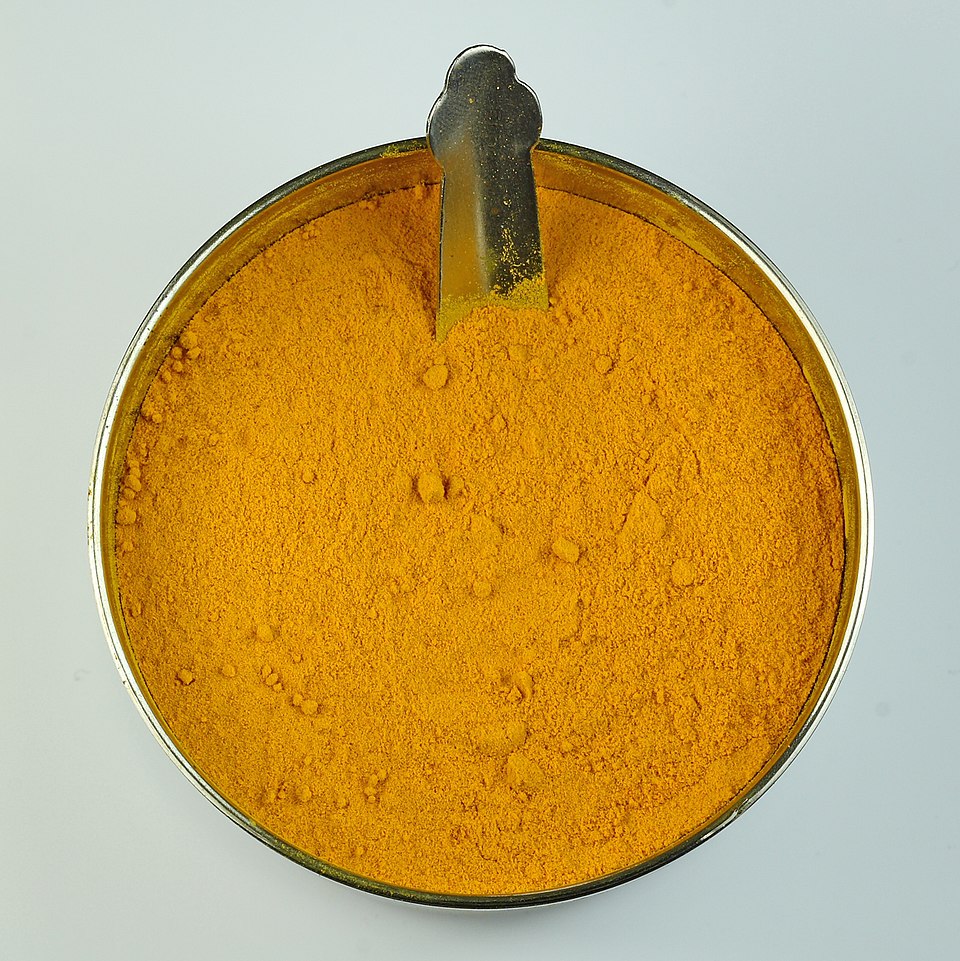
For the patient, botanical medicine offers the appeal of natural substances with a long history of traditional use. However, the teacher must emphasize that “natural” does not mean inherently safe. St. John’s Wort, a popular botanical for mild to moderate depression, induces cytochrome P450 enzymes and can reduce the efficacy of oral contraceptives, anticoagulants, immunosuppressants, and many other medications. Kava kava, used for anxiety, carries a risk of hepatotoxicity, particularly when extracted with alcohol or used in high doses. Ginkgo biloba, used for cognitive enhancement, increases bleeding risk and should be discontinued before surgery. A competent naturopathic doctor knows these interactions thoroughly and screens patients for pharmaceutical-herb interactions before prescribing.
The evidence base for botanical medicine varies considerably by herb and condition. Hawthorn has moderate evidence for congestive heart failure (NYHA class I-II), with multiple randomized trials showing improved exercise tolerance and symptom control. Berberine has moderate evidence for type 2 diabetes and hyperlipidemia, with meta-analyses demonstrating reductions in HbA1c and LDL cholesterol comparable to first-line pharmaceuticals. Black cohosh has moderate evidence for menopause symptom management. However, many botanical preparations lack rigorous clinical testing, and quality control remains a significant concern — independent testing has found that a substantial proportion of commercial herbal products do not contain the labeled ingredients or contain contaminants.
Physical Medicine and Hydrotherapy
Naturopathic physical medicine includes soft tissue therapy, joint mobilization, craniosacral therapy, and therapeutic exercise. These modalities are not unique to naturopathy — they overlap with osteopathy, chiropractic, and physical therapy — but their integration within a broader naturopathic treatment plan distinguishes the approach. A patient with chronic low back pain might receive not only spinal manipulation but also dietary anti-inflammatory support, botanical analgesics, stress reduction counseling, and ergonomic advice.
Hydrotherapy is a particularly distinctive naturopathic modality with deep historical roots. Constitutional hydrotherapy, developed by naturopathic physician John Bastyr, involves alternating hot and cold compresses applied to the abdomen and spine. The physiological rationale is compelling: hot applications increase blood flow and metabolic activity, while cold applications produce vasoconstriction and reduce inflammation. The alternation creates a vascular pumping effect that stimulates immune function, improves digestion, and supports detoxification. Contrast baths for extremities are used for musculoskeletal injuries and peripheral vascular disease. Sitz baths, in which only the hips and pelvis are immersed, address pelvic conditions including hemorrhoids, prostatitis, and menstrual cramps. Cold plunges, increasingly popular in the wellness community, activate the sympathetic nervous system and reduce inflammation.
Homeopathy
Homeopathy remains the most controversial modality within naturopathic medicine. Its core principle — the law of similars, or “like cures like” — holds that a substance that produces symptoms in a healthy person can, in highly diluted form, treat similar symptoms in a sick person. The preparation process of serial dilution and succussion (vigorous shaking), called potentization, is claimed to enhance therapeutic activity while eliminating toxicity. Critics point out that dilutions beyond 12C (10^24) are unlikely to contain any molecules of the original substance, challenging pharmacological plausibility.
The evidence landscape for homeopathy is bitterly contested. Proponents cite meta-analyses showing positive effects for allergic rhinitis, postoperative ileus, and influenza-like illness. Skeptics counter that these effects disappear when analysis is restricted to high-quality trials, and that publication bias and poor study methodology confound results. The most balanced position is that homeopathy may have clinical effects that are not fully explained by current pharmacological models, but the evidence is not robust enough to support it as a primary treatment for serious illness. Ethical naturopathic practice requires transparent communication about the evidence limitations.
Evidence for Naturopathic Medicine
The evidence base for comprehensive naturopathic care is modest but growing. Cohort studies and randomized trials have examined naturopathic management of cardiovascular disease, type 2 diabetes, low back pain, anxiety, fibromyalgia, and menopause. A frequently cited study by the Institute for Health and Productivity Management found that employees with high cardiovascular risk who received naturopathic care showed significant reductions in Framingham risk scores compared to usual care, with improvements in blood pressure, lipids, and blood glucose. For type 2 diabetes, randomized trials have demonstrated HbA1c reductions of 0.5-1.0% with naturopathic care combining dietary counseling, botanical medicine (berberine), nutritional supplements (chromium, magnesium, alpha-lipoic acid), and lifestyle modification.
Critically, the evidence for naturopathic medicine is limited by funding constraints. Large-scale, multicenter randomized trials require resources that are rarely available for natural medicine research. Most studies are small, single-site, and underpowered for definitive conclusions. Publication bias toward positive results is a genuine concern. Students evaluating this literature should apply the same critical appraisal standards they would apply to any medical research, recognizing that enthusiasm for natural therapies does not excuse weak methodology.
Safety and Regulation
Patients considering naturopathic care should seek practitioners who have graduated from accredited naturopathic medical schools (those recognized by the Council on Naturopathic Medical Education) and who hold licensure in their jurisdiction. Currently, twenty-three US states, the District of Columbia, US territories, and five Canadian provinces license naturopathic doctors. Licensure typically requires passing the Naturopathic Physicians Licensing Examinations (NPLEX). Scope of practice varies significantly by jurisdiction — in some states, NDs can prescribe certain pharmaceuticals and perform minor surgery; in others, their practice is limited to dietary and lifestyle counseling.
From the teacher’s perspective, the integration of naturopathic and conventional medicine offers the greatest potential for patient benefit. NDs who maintain collaborative relationships with medical doctors, communicate clearly about treatments, and refer appropriately when conditions exceed their scope provide safer and more effective care than those who practice in isolation. The future of naturopathic medicine lies in evidence-based, collaborative, patient-centered practice — not in rejection of conventional medicine but in thoughtful integration of the best tools from both traditions.
Conclusion
Naturopathic medicine offers a comprehensive approach to health that prioritizes root cause identification, therapeutic nutrition, botanical medicine, lifestyle modification, and low-risk physical modalities. Its philosophical framework — treat the whole person, support self-healing, educate the patient, prevent disease — aligns well with the growing patient demand for personalized, participatory healthcare. The evidence supports naturopathic care for cardiovascular health, diabetes, chronic pain, mental health, and other chronic conditions, though the quality and quantity of research remain limited compared to conventional medicine. Patients are best served by licensed naturopathic doctors who integrate their care with conventional providers and who practice transparently about what the evidence supports. For students entering the field, the challenge and opportunity lie in maintaining rigorous scientific standards while honoring the holistic, patient-centered philosophy that makes naturopathic medicine distinctive.
(End of file)