Introduction
Herbal medicine, also known as botanical medicine or phytotherapy, uses plants and plant extracts for therapeutic purposes. It is the oldest form of healthcare known to humanity and remains the primary healthcare system for 70 to 80 percent of the world’s population. Modern herbal medicine integrates traditional knowledge with scientific investigation of plant pharmacology, efficacy, and safety.

For the student beginning their study of herbal medicine, the sheer complexity of plant chemistry can feel overwhelming. A single herb may contain hundreds of bioactive compounds that work synergistically — a concept known as the entourage effect or phytochemical synergy. As an experienced teacher might put it: “Nature does not deliver single molecules; it delivers pharmacies in a leaf.” For the patient, herbal medicine offers the appeal of natural treatments with deep cultural roots, but the clinical reality is that “natural” does not automatically mean safe or effective. Understanding both the science and the tradition is essential for anyone seeking to use herbs therapeutically.
Phytochemistry: Active Constituents
Alkaloids
Alkaloids are nitrogen-containing compounds that often produce potent pharmacological effects. Berberine, found in goldenseal and Oregon grape, has antimicrobial and blood sugar-lowering properties. Caffeine from coffee and tea is the world’s most widely consumed psychoactive substance, acting as a central nervous system stimulant. Morphine from the opium poppy remains a gold standard for severe pain management. Quinine from cinchona bark revolutionized malaria treatment. Alkaloids tend to be bitter-tasting and can be toxic in high doses, which is why many alkaloid-containing herbs require careful dosing.
Flavonoids
Flavonoids are polyphenolic compounds responsible for many of the colors in fruits and flowers. Quercetin, found in onions, apples, and berries, is a potent antioxidant and anti-inflammatory agent. Catechins from green tea have been extensively studied for cardiovascular and cancer-preventive effects. Rutin, present in buckwheat and citrus, strengthens capillary walls and is used for venous insufficiency. Most flavonoids act as antioxidants, but they also modulate enzyme activity, cell signaling, and gene expression through mechanisms that extend well beyond simple free-radical scavenging.
Terpenes and Terpenoids
The terpene family includes menthol from peppermint, which triggers cold-sensitive TRPM8 receptors to produce a cooling sensation and analgesic effect. Thymol from thyme is a potent antimicrobial used in mouthwashes and topical preparations. Camphor provides counterirritant and mild analgesic effects in topical rubs. The ginkgolides from ginkgo biloba are unique diterpene lactones that inhibit platelet-activating factor, improving cerebral blood flow. For the student, terpenes are an excellent example of how plants use volatile compounds for defense and communication, and how humans have repurposed these compounds for medicine.
Phenolic Acids and Saponins
Salicin from willow bark is the natural precursor to aspirin and demonstrates how traditional plant use can lead to pharmaceutical discovery. Rosmarinic acid from rosemary has antioxidant and anti-inflammatory effects through multiple pathways. The saponins, including ginsenosides from ginseng and glycyrrhizin from licorice, are soap-like compounds that can modulate immune function, reduce inflammation, and act as adaptogens — substances that help the body resist stress. Ginseng’s adaptogenic effects are among the most studied in herbal medicine, with research supporting its role in improving physical performance, cognitive function, and immune response.
Preparation Methods
The method of preparing an herb dramatically affects which constituents are extracted and their concentration. Teas and infusions involve steeping the herb in hot water for 5 to 15 minutes, using about one tablespoon of dried herb per cup. This method is best for aerial parts such as leaves and flowers, and produces a mild preparation suitable for daily use. Decoctions involve boiling tougher plant parts — roots, bark, seeds — for 15 to 30 minutes to extract compounds that require more heat and time to dissolve.
Tinctures use a mixture of ethanol and water to extract both water-soluble and alcohol-soluble compounds. The typical ratio of herb to solvent ranges from 1:5 to 1:2, and the usual dose is 2 to 5 milliliters three times daily. Tinctures are stronger than teas and have the advantage of a longer shelf life. Fluid extracts are concentrated tinctures at a 1:1 ratio, making them very strong, while solid extracts are evaporated to a dry or paste form, achieving concentration ratios of 4:1 to 10:1 or higher.
Other preparations include capsules and tablets, which provide convenience and precise dosing; ointments and salves for topical application; poultices using fresh herb applied directly to the skin; and glycerites, which use glycerin instead of alcohol for patients who cannot tolerate alcohol-based preparations. For the patient, the choice of preparation depends on the condition being treated, personal preference, and the specific herb being used. A teacher’s advice to a novice herbalist: “Teas for daily wellness, tinctures for therapeutic dosing, and topical preparations for localized conditions.”
Major Medicinal Herbs and Clinical Evidence
Echinacea
Echinacea, primarily Echinacea purpurea, uses both the aerial parts and root. Its key constituents include alkamides, polysaccharides, and cichoric acid. The evidence is moderate for prevention of upper respiratory infections and good for treatment when taken at the first sign of symptoms. Typical dosing is 1 to 3 grams of dried root three times daily or 2 to 5 milliliters of tincture three times daily. The alkamides in echinacea are thought to activate macrophages and enhance immune surveillance. For the patient: echinacea works best when started early in the course of a cold, not after symptoms are fully established.
St. John’s Wort
St. John’s Wort (Hypericum perforatum) is one of the most clinically studied herbs. Its aerial parts contain hypericin, hyperforin, and flavonoids. Multiple meta-analyses support its efficacy for mild to moderate depression, with effect sizes comparable to standard antidepressants in some studies. The typical dose is 300 milligrams of extract standardized to 0.3 percent hypericin, taken three times daily. However, St. John’s Wort is a potent inducer of cytochrome P450 enzymes, particularly CYP3A4, which leads to numerous clinically significant drug interactions. This herb is a classic example of the student needing to know both the therapeutic benefits and the safety profile before recommending it.
Ginkgo Biloba
Ginkgo leaf extract, standardized to ginkgolides and flavonoids, is used primarily for cognitive decline, dementia, and peripheral vascular disease. Evidence is moderate for dementia — some studies show modest improvement in cognitive function and activities of daily living — but mixed for memory enhancement in healthy individuals. Dosing ranges from 120 to 240 milligrams daily of a standardized extract. Ginkgo inhibits platelet-activating factor, which creates a moderate risk of increased bleeding when combined with warfarin, NSAIDs, or antiplatelet medications. Patients scheduled for surgery should stop ginkgo two weeks in advance.
Ginger and Turmeric
Ginger (Zingiber officinale) rhizome contains gingerols and shogaols that have strong antiemetic properties. Evidence is strong for nausea of various causes — pregnancy, motion sickness, postoperative recovery, and chemotherapy-induced nausea. Daily dosing of 1 to 3 grams of fresh or dried root, or 250 to 500 milligrams of extract three times daily, is typical. For the pregnant patient with morning sickness, ginger tea is often the first-line botanical recommendation.
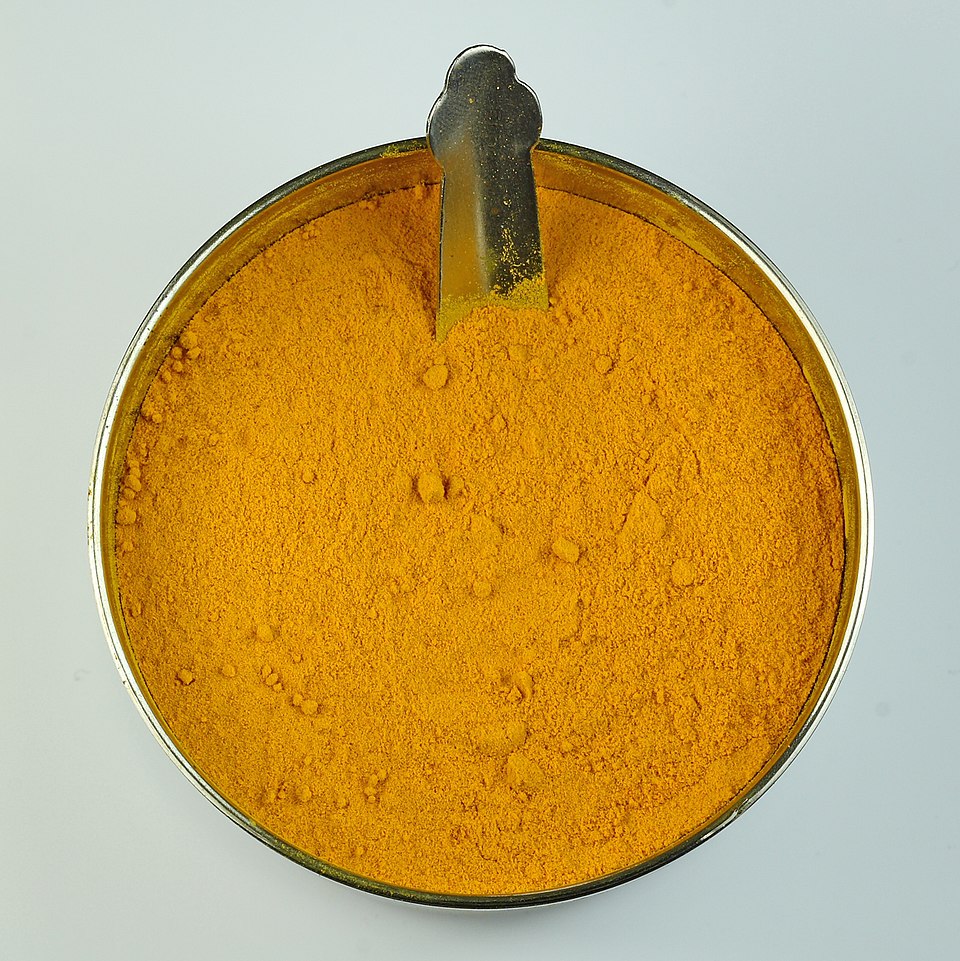
Turmeric (Curcuma longa) contains curcuminoids, particularly curcumin, which has anti-inflammatory effects mediated through inhibition of NF-κB and other inflammatory pathways. Evidence is moderate for osteoarthritis — some trials show curcumin comparable to ibuprofen for pain relief — and mixed for general anti-inflammatory effects. The major challenge with curcumin is its poor oral bioavailability. Combining it with piperine from black pepper increases absorption by up to 2000 percent. Dosing is typically 500 to 2000 milligrams of curcumin with piperine daily.
Valerian and Chamomile
Valerian root (Valeriana officinalis) contains valerenic acid and volatile oils that modulate GABA receptors. The evidence is moderate for improving sleep quality, though less consistent for reducing sleep onset latency. The typical dose is 300 to 600 milligrams of extract taken 30 to 60 minutes before bed. Valerian has a distinctive, some would say unpleasant, odor, which patients should be warned about. Morning drowsiness is the most common side effect.
Chamomile (Matricaria chamomilla) flowers contain apigenin, chamazulene, and bisabolol. It is used for anxiety, insomnia, digestive upset, and dermatological conditions. The evidence is limited to moderate, but chamomile has an excellent safety profile, making it a reasonable choice for mild anxiety or sleep support, particularly in the elderly and children. A strong cup of chamomile tea before bed is a simple intervention that many patients find helpful.
Milk Thistle, Garlic, and Saw Palmetto
Milk thistle (Silybum marianum) seeds contain silymarin, a mixture of flavonolignans including silibinin. The evidence is moderate for reducing ALT levels in alcoholic liver disease and viral hepatitis, but high-quality trials for cirrhosis and other advanced liver disease are lacking. Dosing is 200 to 400 milligrams of silymarin daily.
Garlic (Allium sativum) bulb contains allicin, which is released when the clove is crushed. Evidence is moderate for modest blood pressure reduction and lipid lowering. The typical dose is 600 to 1200 milligrams of aged garlic extract daily. Raw garlic has stronger effects but causes more gastrointestinal irritation and bad breath. Garlic also has antiplatelet effects, and patients on warfarin should be monitored.
Saw palmetto (Serenoa repens) fruit is used for benign prostatic hyperplasia. The evidence is strong for symptom improvement — reducing nighttime urination, improving urinary flow — but it does not reduce prostate size. Dosing is 320 milligrams daily of a standardized extract. The teacher should note that saw palmetto is effective for symptom management but does not replace monitoring of PSA levels or the need for digital rectal examination.
Herb-Drug Interactions
The most clinically significant herb-drug interactions involve St. John’s Wort, which induces CYP3A4, CYP2C9, and P-glycoprotein, reducing the efficacy of numerous drugs. Beyond St. John’s Wort, ginkgo increases bleeding risk with anticoagulants and antiplatelet agents. Ginseng can decrease INR in patients on warfarin and potentiate hypoglycemic agents, requiring blood glucose monitoring. Kava causes additive CNS depression with benzodiazepines and alcohol, and carries a risk of severe hepatotoxicity in susceptible individuals. Valerian adds to the sedative effects of benzodiazepines and barbiturates. Goldenseal and its constituent berberine inhibit CYP3A4, potentially increasing levels of cyclosporine and tacrolimus. Garlic has antiplatelet effects that can increase bleeding risk with warfarin.
The teacher’s rule for students is straightforward: “Always ask patients what herbs they are taking, always check for interactions, and when in doubt, look it up.” Many patients do not volunteer information about herb use unless specifically asked, and the consequences of unmonitored combinations can be serious.
Safety and Adverse Effects
Quality and contamination are significant concerns in the herbal industry. Adulteration — the addition of pharmaceutical drugs or substitution with cheaper plant materials — affects 5 to 30 percent of products depending on the herb. Heavy metal contamination from soil or manufacturing affects 5 to 20 percent of products. Pesticide residues, microbial contamination, and species misidentification are additional concerns. Patients should purchase from reputable manufacturers, ideally those with USP or NSF verification, and look for certificates of analysis from third-party testing.
Adverse effects vary widely by herb. St. John’s Wort causes photosensitivity at high doses and mild gastrointestinal upset. Kava carries a rare but potentially fatal risk of hepatotoxicity, particularly in individuals with CYP2D6 genetic polymorphisms. Valerian causes headache, dizziness, and morning drowsiness in some users. Ginkgo may trigger headache, nausea, and allergic skin reactions. Black cohosh, used for menopause, can cause mild gastrointestinal upset and, rarely, hepatotoxicity. Yohimbe, from the bark of the yohimbe tree, frequently causes hypertension, tachycardia, anxiety, and panic attacks at typical doses and is best avoided. Comfrey contains pyrrolizidine alkaloids that are hepatotoxic and carcinogenic, and it should never be used internally. Ephedra, once popular for weight loss and energy, was banned by the FDA after being linked to hypertension, arrhythmia, stroke, and death.
Regulatory Status
Herbal medicine regulation varies significantly around the world. In the United States, herbs are regulated under the Dietary Supplement Health and Education Act (DSHEA) of 1994, which means manufacturers are responsible for safety and labeling but do not require pre-market approval from the FDA. Good manufacturing practices apply, but efficacy claims are restricted. The European Union operates under the Traditional Herbal Medicinal Products Directive, which requires registration for traditional use with established safety and quality standards. Canada’s Natural Health Products Regulations require product licensing, site licensing, and adherence to good manufacturing practices. Australia’s Therapeutic Goods Administration classifies herbal products as either listed or registered medicines, with quality standards applied to both. China maintains a dual system through the State Food and Drug Administration, classifying products as either foods or drugs depending on intended use. India’s Ministry of AYUSH sets standards for Ayurvedic, Siddha, and Unani products.
For the student pursuing clinical practice with herbs, understanding the regulatory framework in their country is essential — it determines what claims can be made, what quality standards apply, and what legal liabilities exist. For the patient, regulation matters because it directly affects product quality: a well-regulated product from a reputable manufacturer is far more likely to contain what the label says.
Conclusion
Herbal medicine offers valuable therapeutic options, particularly for chronic conditions, mild-to-moderate mood disorders, and symptom management. Many herbs have clinically meaningful efficacy supported by research. However, quality variability, potential herb-drug interactions, and self-treatment risks require careful consideration. Herbal products should be purchased from reputable manufacturers, used under professional guidance, and discussed with healthcare providers to ensure safe integration with conventional treatments. The student who approaches herbal medicine with both scientific rigor and respect for traditional knowledge will be best equipped to help patients navigate this complex but rewarding field.