Introduction
Ayurveda is one of the world’s oldest continuously practiced holistic healing systems, with roots extending back over 3,000 years into the Indian subcontinent. The word itself is a compound of two Sanskrit terms: ayur, meaning “life,” and veda, meaning “knowledge” or “science.” Together they describe a complete system of medicine that addresses health promotion, disease prevention, diagnosis, and treatment through a deeply personalized approach. For the student approaching Ayurveda for the first time, the most important concept to grasp is that no two patients are treated alike — treatment is tailored to the individual’s unique constitution, the nature of their imbalance, and even the season of the year. For the patient exploring Ayurveda, the system offers practical dietary and lifestyle guidance that is immediately applicable, alongside more intensive therapies like Panchakarma for those seeking deeper detoxification. From the clinician’s perspective, Ayurveda enriches the therapeutic toolkit with well-characterized herbal preparations, mind-body practices, and a sophisticated framework for understanding individual variation in health and disease.
The Three Doshas
The doshas are the central organizing principle of Ayurvedic medicine. They are biological energies derived from the five great elements — ether, air, fire, water, and earth — which combine in pairs to form three constitutional types. Vata, composed of air and ether, is characterized by qualities such as dry, light, cold, rough, subtle, mobile, and clear. It governs all movement in the body — nerve impulses, breathing, circulation, peristalsis, and the flow of thoughts. Pitta, composed of fire and water, is hot, sharp, light, liquid, spreading, and oily. It presides over metabolism, digestion, body temperature, visual perception, and intellectual discrimination. Kapha, composed of water and earth, is heavy, slow, cool, oily, smooth, dense, soft, and stable. It provides structure, lubrication, immunity, and emotional stability.
For the student, it is helpful to think of the doshas as operating principles rather than fixed substances. Vata is the principle of movement — when imbalanced, movement becomes chaotic (anxiety, arrhythmia, constipation). Pitta is the principle of transformation — when imbalanced, transformation becomes excessive (hyperacidity, inflammation, irritability). Kapha is the principle of cohesion — when imbalanced, cohesion becomes stagnation (weight gain, congestion, lethargy). For the patient, understanding their dominant dosha provides a practical roadmap for diet, exercise, and lifestyle choices that will bring them back into balance.
The characteristics of each dosha manifest across every dimension of human experience — physical frame, skin and hair, appetite and digestion, sleep patterns, speech style, memory, financial habits, and stress responses. A Vata-predominant person tends to be thin and lean, with dry skin and hair, variable appetite, light interrupted sleep, a quick talkative manner, and a tendency toward anxiety under stress. A Pitta-predominant person is usually medium and muscular, with warm oily skin, strong appetite and digestion, sound sleep, direct speech, sharp memory, and a tendency toward irritability and anger when stressed. A Kapha-predominant person is large and sturdy, with thick oily skin, a slower but steady appetite, heavy prolonged sleep, a quiet steady manner, excellent retention of learned information, and a tendency toward withdrawal and lethargy under stress.
Prakriti (Constitution) Assessment
Prakriti is the inherent constitution determined at the moment of conception that remains stable throughout life. Assessing prakriti is the first step in any Ayurvedic consultation because it establishes the baseline against which current imbalances — called vikriti — are evaluated. Most people are dual-dosha types. Vata-Pitta types combine creativity with determination and are prone to both anxiety and irritability. Pitta-Kapha types are strong, determined, and stable but may struggle with both anger and sluggishness. Vata-Kapha types are less common, blending creativity with endurance while facing indecision. Only about 10 to 15 percent of people are single-dosha types, exhibiting an extremely strong tendency toward that dosha’s characteristics.
Dinacharya (Daily Routine)
Ayurveda places extraordinary emphasis on daily routine (dinacharya) as the foundation of health. The day is divided into doshic time periods, and aligning activities with these natural rhythms optimizes physiological function. The ideal Ayurvedic day begins during brahma muhurta, roughly 4:30 to 6:00 AM, which is a Vata time characterized by calm and clarity — ideal for meditation, prayer, or quiet reflection. At sunrise, between 6:00 and 7:00 AM, the body is ready for elimination. This is followed by tongue scraping to remove ama (digestive toxins deposited overnight), oil pulling with sesame or coconut oil, and a glass of warm water.
The morning from 7:00 to 9:00 AM is Kapha time — the body is heavy and needs activation, making it the optimal window for exercise, yoga asanas, or a brisk walk. Between 9:00 and 10:00 AM, abhyanga (self-massage with warm oil) followed by a warm bath is recommended. The type of oil is matched to dosha: sesame for Vata, coconut for Pitta, and mustard or almond for Kapha. Breakfast, if taken, should be light and eaten around 10:00 to 11:00 AM when digestive fire is moderate. The midday meal between 12:00 and 1:00 PM should be the largest of the day, as pitta time brings the strongest agni (digestive fire). The afternoon is for work and study, followed by light exercise or a walk during the Kapha time of early evening. Dinner should be light and taken well before sunset, and bedtime ideally falls between 9:00 and 10:30 PM, avoiding screens for at least an hour before sleep.
Ayurvedic Nutrition
Dietary Guidelines by Dosha
Ayurvedic nutrition is guided by the principle that food should balance the doshas rather than aggravate them. Each dosha responds differently to the six tastes (rasas): sweet, sour, salty, pungent, bitter, and astringent. For Vata, which is dry, cold, and light, the balancing tastes are sweet, sour, and salty — warm, cooked, oily foods like root vegetables, dairy, and grains. Vata should reduce bitter, pungent, and astringent tastes and avoid raw vegetables, cold foods, dried fruits, and caffeine. For Pitta, which is hot and sharp, the balancing tastes are sweet, bitter, and astringent — cooling foods like fresh fruits, vegetables, coconut, mint, and dairy. Pitta should reduce sour, salty, and pungent tastes and avoid spicy foods, fermented items, tomatoes, and citrus. For Kapha, which is heavy, cold, and sluggish, the balancing tastes are pungent, bitter, and astringent — light, dry, warm foods like legumes, leafy greens, and spices. Kapha should reduce sweet, sour, and salty tastes and avoid heavy, oily, cold foods, cheese, sweets, and nuts.
The Six Tastes (Rasas)
Each of the six tastes is composed of two elements and exerts predictable effects on the doshas. Sweet (madhura), made of earth and water, increases Kapha and decreases Vata and Pitta — it is grounding and nourishing but can cause congestion and weight gain in excess. Sour (amla), made of earth and fire, increases Pitta and Kapha while decreasing Vata — it stimulates digestion and appetite but can aggravate hyperacidity. Salty (lavana), made of water and fire, similarly increases Pitta and Kapha while decreasing Vata — it aids mineral balance and digestion but promotes water retention in excess. Pungent (katu), from fire and air, increases Vata and Pitta while decreasing Kapha — it is stimulating and decongesting but can irritate the digestive tract. Bitter (tikta), from air and ether, increases Vata and decreases Pitta and Kapha — it is detoxifying and cooling but can be drying. Astringent (kashaya), from air and earth, increases Vata and decreases Pitta and Kapha — it is drying and compacting but can cause constipation. A balanced Ayurvedic meal ideally contains all six tastes to ensure complete nutritional and doshic satisfaction.
Agni (Digestive Fire)
Digestive fire, or agni, is considered the cornerstone of health in Ayurveda. When agni is strong, food is properly digested, nutrients are absorbed, and metabolic waste products (ama) do not accumulate. There are four main types of agni. Sama agni is balanced — the person digests well, has a clear tongue, and maintains stable energy throughout the day. Vishama agni is irregular and associated with Vata — the person experiences gas, bloating, and constipation, with variable appetite. Tikshna agni is sharp and associated with Pitta — the person has hyperacidity, heartburn, and loose stools, with a constant hunger that turns to irritability if not satisfied. Manda agni is slow and associated with Kapha — the person feels heavy and lethargic after eating, has a thick coating on the tongue, and tends to gain weight easily. The treatment approach for each type follows logically: regular warm meals for vishama, cooling and soothing foods for tikshna, and light stimulating foods with digestive spices for manda.

Panchakarma (Five Detoxification Methods)
Panchakarma, meaning “five actions,” is Ayurveda’s most intensive therapeutic intervention — a structured series of elimination therapies designed to remove deep-seated ama and restore doshic balance. Vamana (therapeutic emesis) is used primarily for Kapha disorders such as asthma, allergies, chronic congestion, sinusitis, and skin disorders. It is performed over three to seven days with preparatory oleation and sudation therapies, followed by controlled emesis using licorice or madanaphala. Virechana (purgation) targets Pitta conditions — skin diseases, jaundice, fever, and hemorrhoids — and involves five to ten days of preparation followed by controlled purgation with senna or castor oil.
Basti (medicated enema) is the most important Panchakarma therapy for Vata disorders. Because the colon is the primary seat of Vata, basti directly addresses the root of Vata imbalance. Conditions treated include chronic constipation, neurological disorders, arthritis, and low back pain. Basti is the longest Panchakarma therapy, ranging from eight to thirty days, and uses decoctions of herbs like dashamoola or medicated oils depending on the subtype. Nasya (nasal medication) is used for disorders of the head and neck — headache, sinusitis, nasal congestion, and migraine — and involves instilling medicated oils or powders into the nostrils over seven to fourteen days. Rakta mokshana (bloodletting) is used for skin diseases, gout, and herpes, and is performed as a single session using leech therapy or venipuncture.
Common Ayurvedic Herbs
Ayurveda employs a sophisticated herbal materia medica, with each herb classified by taste, energy (virya), post-digestive effect (vipaka), and specific action (prabhava). Ashwagandha (Withania somnifera) is the most researched adaptogenic herb in Ayurveda. It balances Vata and Kapha while increasing Pitta, and is used for stress, fatigue, vitality, sleep, and male infertility. The typical dose is 300 to 500 mg twice daily of standardized extract. Triphala is a classic formulation combining three fruits — amalaki, bibhitaki, and haritaki — that together balance all three doshas. It is the most commonly used Ayurvedic preparation, valued for gentle bowel cleansing, digestive support, and its high antioxidant content, taken at 5 to 10 grams before bed.
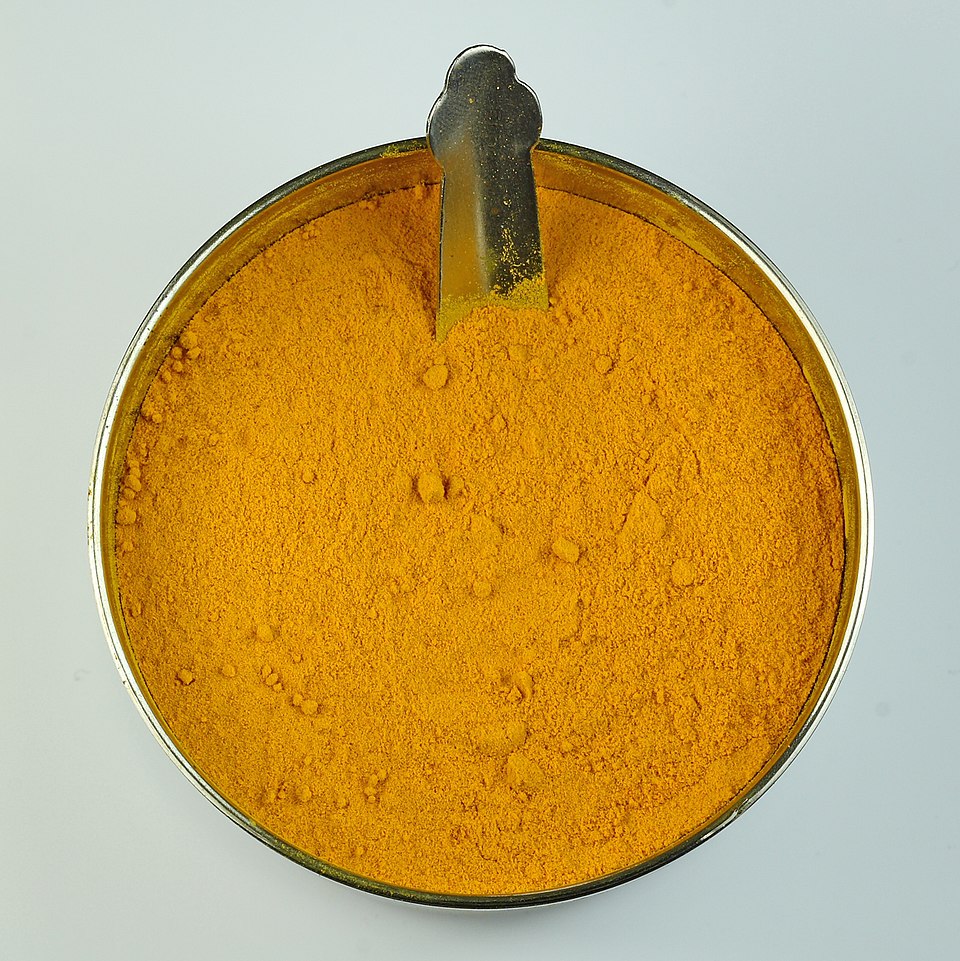
Turmeric (Curcuma longa) has become one of the most researched herbs in all of medicine due to its active compound curcumin, a potent anti-inflammatory and antioxidant. In Ayurveda, turmeric balances Vata and Kapha while increasing Pitta. It is used for inflammation, joint health, skin conditions, and immune support. Boswellia (Boswellia serrata), also called shallaki, is specific for inflammatory conditions including arthritis, asthma, and inflammatory bowel disease. Brahmi (Bacopa monnieri) is the premier brain tonic in Ayurveda, used to improve cognition, memory, and reduce anxiety. Tulsi (Ocimum sanctum), or holy basil, is revered as an adaptogen and immune modulator particularly for respiratory and stress-related conditions. Ginger, amalaki, and many other herbs round out a pharmacopeia that has been refined over millennia of clinical observation.
Evidence Evaluation
The evidence base for Ayurvedic interventions has grown substantially over the past twenty years, though significant gaps remain. For osteoarthritis, moderate evidence supports the use of formulations containing boswellia, curcumin, and ashwagandha for pain reduction and functional improvement. For type 2 diabetes, several clinical trials have demonstrated that Ayurvedic formulations can improve glycemic control, though study quality varies. Ashwagandha shows moderate evidence for reducing anxiety and cortisol levels in stressed adults, with effect sizes comparable to some pharmaceutical interventions. Rheumatoid arthritis has been studied in comparative trials showing that combination Ayurveda treatment can be comparable to conventional disease-modifying agents, though the studies are small. Brahmi shows limited to moderate evidence for improving memory and cognitive processing speed, particularly in older adults. Cardiovascular disease research is limited, though some studies suggest lipid-lowering effects from certain Ayurvedic herbs. For cancer, although some herbs demonstrate in vitro activity against cancer cell lines, human clinical data are insufficient to recommend Ayurvedic herbs as cancer treatments.
Safety Considerations
Ayurvedic herbal products are generally well-tolerated but are not without risks, and patients and practitioners alike must be aware of important safety concerns. Heavy metal contamination is the most significant issue, particularly in formulations prepared according to rasa shastra, which may intentionally or unintentionally contain lead, mercury, or arsenic. Patients should only use products from reputable manufacturers who provide third-party testing results. Herb-drug interactions are increasingly recognized — ashwagandha can potentiate the effects of benzodiazepines and thyroid medications, turmeric may increase the risk of bleeding when combined with anticoagulants, and many herbs have cyclooxygenase or cytochrome P450 activity that could affect drug metabolism. Standardization varies widely between brands, making it essential to use products from manufacturers that test for potency, purity, and contaminants. Many herbs are contraindicated in pregnancy, and self-treatment without proper constitutional assessment can lead to suboptimal or adverse outcomes.
Conclusion
Ayurveda offers a comprehensive, personalized approach to medicine that has demonstrated remarkable resilience over thousands of years of practice. Its strengths lie in its emphasis on prevention, its detailed dietary and lifestyle guidance tailored to individual constitution, and its sophisticated herbal pharmacopeia. Modern research has begun to validate many of its foundational concepts and specific interventions, particularly for adaptogenic herbs like ashwagandha, anti-inflammatory herbs like boswellia and turmeric, and the Panchakarma detoxification protocols. However, Ayurveda is not a replacement for conventional medical care in acute or serious conditions. The most effective approach is an integrated one — using Ayurvedic principles for health promotion and chronic disease management alongside conventional medicine for diagnosis, acute care, and conditions requiring pharmaceutical or surgical intervention. For the patient, finding a qualified Ayurvedic practitioner and sourcing high-quality herbal products from reputable manufacturers is essential. For the student, Ayurveda opens a rich conceptual framework that complements biomedical training and deepens the understanding of individual variation in health and disease. For the clinician, Ayurveda provides practical tools — from diet and lifestyle counseling to well-characterized herbal preparations — that can be safely integrated into a broad-spectrum practice for patients who seek a more natural and personalized approach to healing.