Introduction
Acupuncture is a cornerstone of traditional Chinese medicine (TCM) that has been practiced for over 2,500 years. The procedure involves the insertion of ultra-fine needles into specific points on the body to produce therapeutic effects. Over the past several decades, acupuncture has emerged as one of the most widely researched and clinically adopted integrative medicine modalities in the world. For the student new to this field, it is helpful to think of acupuncture as a system for communicating with the body’s own regulatory mechanisms — a kind of biological dialogue conducted through precise anatomical points. For the patient considering treatment, acupuncture offers a drug-free option for managing pain, nausea, and a range of other conditions, often with minimal side effects. From the clinician’s perspective, acupuncture represents a valuable tool that can be integrated alongside conventional treatments, particularly for chronic pain where pharmaceutical options may be limited by tolerance or adverse effects.
Traditional Chinese Medicine Foundations
Meridian Theory
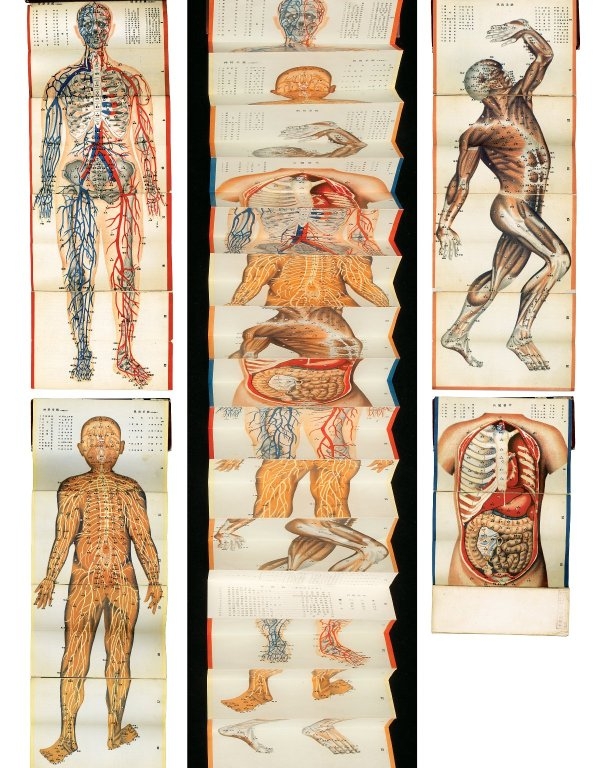
At the heart of acupuncture lies the theory of meridians — a network of channels through which qi (vital energy) circulates throughout the body. There are twelve primary meridians, each corresponding to a specific organ system, plus two extraordinary vessels that run along the midline of the body. The student should understand that these meridians are not anatomical structures in the Western sense; rather, they represent a functional mapping of physiological relationships observed over millennia of clinical practice. Each meridian is associated with one of the five elements — Wood, Fire, Earth, Metal, and Water — in a cycle of generation and control that explains how different organ systems influence one another.
The Lung meridian (Tai Yin), associated with the Metal element, governs respiration and the diffusion of defensive qi to the body surface. It has eleven points and connects internally with the Large Intestine meridian. The Stomach meridian (Yang Ming), associated with Earth, is the most point-rich of the channels with forty-five points, reflecting its central role in digestion and the production of qi from food. The Bladder meridian (Tai Yang) runs along the back and contains sixty-seven points — the most of any channel — making it a primary pathway for treating musculoskeletal conditions and psychospiritual disorders. The extraordinary vessels, the Conception Vessel (Ren Mai) and Governing Vessel (Du Mai), run along the midline front and back of the body respectively, serving as reservoirs of qi that supplement the primary channels.
Qi and Vital Substances
TCM recognizes five vital substances that constitute the material and functional basis of human life. Qi is the animating force responsible for warmth, defense against pathogens, transformation of food into energy, holding organs in place, and raising fluids and blood to the upper body. Blood (xue) in TCM is a broader concept than in biomedicine — it nourishes all tissues and houses the shen (spirit), meaning that blood deficiency can manifest as both physical pallor and mental restlessness. Jing (essence) is the hereditary substance inherited from parents that governs growth, development, and reproduction. It depletes with age and overwork, which is why TCM places great emphasis on conserving jing through moderation in all activities. Shen represents consciousness and emotional life, and its state is assessed by observing the eyes, complexion, and speech. Jin ye (body fluids) encompass all bodily liquids, from sweat and saliva to joint fluid and cerebrospinal fluid.
Acupuncture Points and Techniques
Common Acupoints
While there are hundreds of recognized acupoints, a core group of about ten points forms the foundation of clinical practice. For the student, memorizing these points — their locations, indications, and needling precautions — is the first major milestone. For the patient, these points represent the specific spots on their body where the practitioner will place needles to achieve therapeutic effects.
Large Intestine 4 (LI 4, Hegu) is located on the dorsum of the hand between the thumb and index finger. It is one of the most powerful points for pain anywhere in the body, particularly headache, facial pain, and dental pain. It also has a well-documented effect on inducing labor, which means it is used cautiously in pregnancy. Pericardium 6 (PC 6, Neiguan) sits on the forearm about two finger-widths above the wrist crease and is the go-to point for nausea and vomiting of any cause — postoperative, chemotherapy-induced, or pregnancy-related. Stomach 36 (ST 36, Zusanli), located on the lower leg below the kneecap, is a classical point for building qi and blood, making it useful for fatigue, immune enhancement, and gastrointestinal disorders. Liver 3 (LV 3, Taichong) is on the dorsum of the foot and is the primary point for moving stagnant liver qi, which presents clinically as irritability, headache, hypertension, and premenstrual tension. Spleen 6 (SP 6, Sanyinjiao), above the medial ankle, is known as the “three yin intersection” and influences the spleen, liver, and kidney channels simultaneously. It is indispensable for gynecological conditions, urinary issues, and insomnia.
Other frequently used points include Governing Vessel 20 (GV 20, Baihui) at the vertex of the head for depression, cognitive decline, and dizziness; Gallbladder 20 (GB 20, Fengchi) at the base of the skull for headache, neck pain, and eye strain; Bladder 23 (BL 23, Shenshu) on the lower back for kidney deficiency and low back pain; and Bladder 40 (BL 40, Weizhong) at the center of the knee crease for acute lower back strain — one of the most dramatic points for immediate pain relief.
Needle Techniques
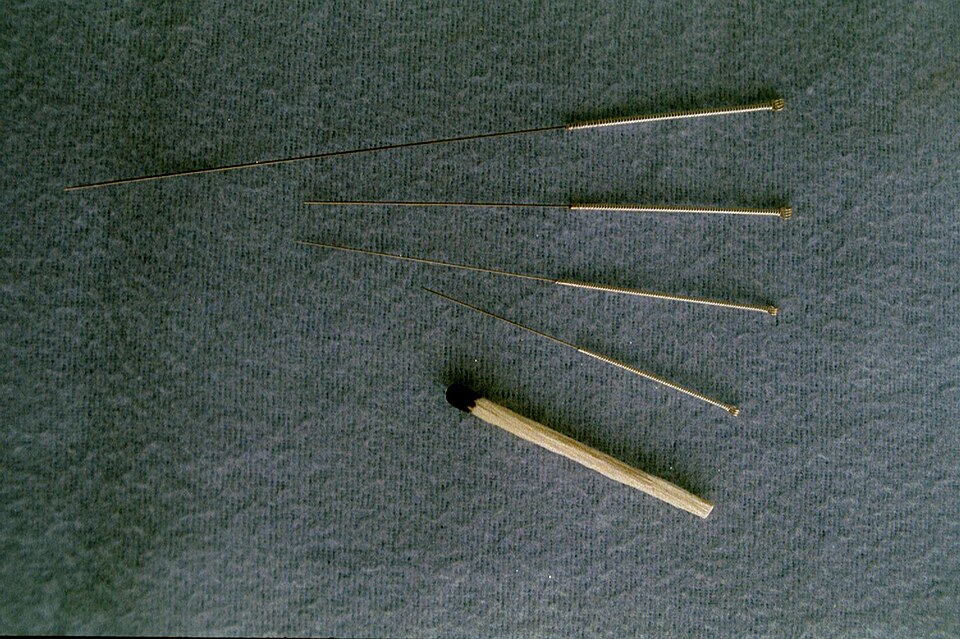
Needle insertion is far more nuanced than simply pushing a needle into the skin. The angle of insertion varies by point location and desired depth of stimulation. Perpendicular insertion at 90 degrees is used over thick muscle bellies like those of the thigh and buttock, while oblique insertion at 30 to 60 degrees is preferred over the chest, back, and abdomen where vital organs lie beneath. Transverse or subcutaneous insertion at 10 to 20 degrees is used along the scalp, face, and superficial meridians.
Tonification and sedation techniques represent the therapeutic logic of acupuncture. To tonify (build or strengthen), the practitioner inserts the needle in the direction of meridian flow with gentle, slow manipulation and leaves it in place for a shorter duration. To sedate (reduce or disperse), the needle is inserted against the direction of meridian flow with stronger, faster manipulation and a longer retention time. The even method, which involves neutral stimulation, is used for general balancing. The teacher must emphasize that technique selection depends entirely on the pattern diagnosis — tonifying a patient with excess heat would be counterproductive, just as sedating a patient with deficiency would worsen their condition.
Electroacupuncture
Electroacupuncture (EA) is a modern adaptation in which a small electrical current is passed between pairs of needles to provide continuous stimulation. This technique offers several advantages: consistent stimulation intensity, the ability to target specific neurophysiological pathways through frequency selection, and reduced hands-on time for the practitioner. Low-frequency stimulation at 2 to 4 Hz triggers the release of beta-endorphins and enkephalins, producing a slower-building but longer-lasting analgesic effect similar to that of low-frequency transcutaneous electrical nerve stimulation. High-frequency stimulation at 50 to 100 Hz releases dynorphins and produces a more rapid but shorter-lived pain relief. The most popular waveform for pain management is dense-disperse, which alternates between 2 Hz and 100 Hz every few seconds, engaging both endorphinergic and dynorphinergic systems simultaneously.
The typical EA session uses an intensity of 0.5 to 10 mA, adjusted to patient comfort, with a visible muscle twitch at the appropriate level. Electrodes are applied in two to four pairs, usually along the same meridian or between synergistic points, and stimulation lasts 15 to 30 minutes. Current evidence suggests that longer durations do not confer additional benefit. EA carries the same contraindications as manual acupuncture, with the added caution that patients with pacemakers or other implanted electrical devices should not receive EA due to the risk of electromagnetic interference.
Evidence-Based Indications
Pain Conditions with Strong Evidence
The evidence base for acupuncture in pain management is robust and continues to expand. Multiple high-quality meta-analyses have demonstrated that acupuncture is superior to both sham acupuncture and no-treatment controls for chronic low back pain, with a moderate effect size compared to usual care (standardized mean difference 0.5 to 0.7). For knee osteoarthritis, the evidence is similarly strong, with benefits persisting at six to twelve months of follow-up. For migraine prophylaxis, acupuncture reduces attack frequency by approximately 1.5 to 2 attacks per month — an effect comparable to first-line prophylactic medications but without the side-effect burden. Tension-type headache responds similarly well.
Postoperative pain is a particularly exciting application, with evidence showing that acupuncture reduces opioid consumption by 25 to 50 percent in the immediate postoperative period. This has significant implications for the opioid epidemic, offering a non-pharmacological adjunct that can reduce both pain and the risk of opioid dependence. Chronic pelvic pain, lateral epicondylitis (tennis elbow), and neck pain all show moderate-quality evidence supporting acupuncture as a primary or adjunctive treatment.
Non-Pain Conditions
Acupuncture’s therapeutic reach extends well beyond pain. The strongest evidence outside of pain is for postoperative nausea and vomiting and chemotherapy-induced nausea, where stimulation of PC 6 has been shown to reduce the need for antiemetic medications. Multiple clinical guidelines — including those from the American Society of Clinical Oncology — now recommend acupuncture for chemotherapy-induced nausea as an evidence-based intervention.
Allergic rhinitis responds well to acupuncture, with patients reporting reduced nasal symptoms and decreased use of antihistamines. Anxiety, particularly preoperative and procedural anxiety, shows good evidence of benefit. The effect appears to be mediated through modulation of the hypothalamic-pituitary-adrenal axis and increased vagal tone, resulting in lower cortisol levels and heart rate. For depression, the evidence is moderate but encouraging — acupuncture appears most effective as an adjunct to antidepressants, enhancing response rates and reducing the time to therapeutic effect. Insomnia, hypertension (with systolic reductions of 5 to 10 mmHg), and irritable bowel syndrome all show moderate evidence supporting acupuncture use. For female infertility, the evidence remains limited but suggestive — some trials show improved in vitro fertilization outcomes, though the data are not yet conclusive enough to recommend acupuncture routinely for this indication.
Safety and Contraindications
One of the most reassuring facts for both patients and practitioners is that acupuncture is exceptionally safe when performed by qualified practitioners using sterile, single-use needles. The most common adverse events are minor bleeding or small hematomas at needle sites, occurring in 2 to 10 percent of treatments — these resolve spontaneously with pressure and require no intervention. Needle site pain (1 to 10 percent) is usually mild and transient. Dizziness or syncope occurs in 0.1 to 1 percent of patients and is managed by removing the needles, placing the patient supine, and offering fluids. This is more common in patients who are fasting, anxious, or having their first treatment.
Serious adverse events are very rare. Pneumothorax, the most feared complication, occurs at an estimated rate of 0.001 percent — less than one in 100,000 treatments. It is almost entirely preventable through proper anatomical knowledge and technique, particularly when needling points over the thorax. Infection is virtually eliminated with sterile single-use needles and proper skin preparation. Nerve injury is extremely rare and usually involves transient paresthesia; permanent nerve damage is exceptional.
For the student, learning safety is the first priority before any clinical application. Students should practice needle insertion on oranges, foam pads, or their own limbs under supervision before treating others. They should memorize the depth and angle guidelines for each point, paying particular attention to points over the lungs, heart, major vessels, and eyes. From the teacher’s perspective, the safest practitioners are those who respect the needle as a medical instrument and maintain sterile technique as an absolute non-negotiable.
Conclusion
Acupuncture is a safe, evidence-supported therapy that offers significant benefits for chronic pain, headaches, postoperative and chemotherapy-induced nausea, and a growing range of other conditions. Its theoretical foundations in meridian theory and qi physiology provide a coherent framework for clinical practice, while modern research continues to elucidate the neurophysiological mechanisms — endorphin release, modulation of pain pathways, autonomic regulation, and anti-inflammatory effects — that underlie its therapeutic actions. As healthcare systems increasingly seek non-pharmacological approaches to pain and chronic disease management, acupuncture stands as one of the best-validated and most versatile tools available. For the patient, finding a qualified, licensed practitioner who uses sterile technique and communicates clearly about treatment plans is the key to a safe and effective experience. For the student, the study of acupuncture is a lifelong journey that begins with point locations and meridian pathways but ultimately leads to a deeper understanding of how the body regulates itself and how we can support that innate capacity through precise, thoughtful intervention.