Introduction
Yoga asanas, or postures, are physical positions designed to promote strength, flexibility, balance, and body awareness. When practiced with proper alignment and attention to breath, specific asanas can be powerful therapeutic tools for common health conditions. For the student learning yoga, understanding the therapeutic applications of individual poses provides a foundation for sequencing and modifying practices. For the patient, knowing which asanas address specific symptoms empowers self-care between medical visits. For the clinician, a working knowledge of key therapeutic asanas enables appropriate recommendation and prevents harm from unsuitable practices.
Back Pain
Chronic low back pain is the most studied condition in yoga research, with strong evidence supporting yoga as a first-line non-pharmacological treatment. Key therapeutic asanas address the muscular imbalances and movement dysfunctions that underlie most mechanical back pain.
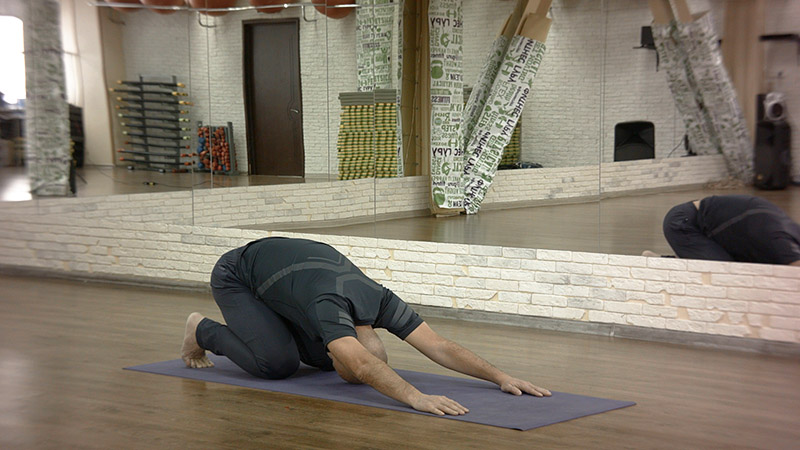
Child’s Pose (Balasana) is a foundational resting posture that gently stretches the lower back. Kneel on the floor, touch the big toes together, and sit back on the heels. Separate the knees about hip-width apart and lay the torso down between the thighs, resting the forehead on the floor or a block. Extend the arms forward or alongside the body. Hold for five to ten breaths, breathing into the back body. Contraindications include active disc herniation with acute pain and advanced pregnancy. For patients with tight hips or knees, place a bolster or rolled blanket between the thighs and the calves.
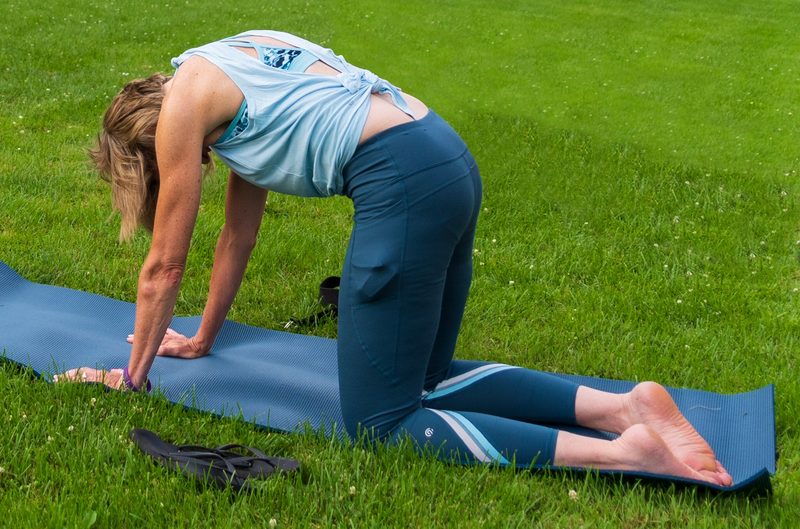
Cat-Cow (Marjaryasana-Bitilasana) is a gentle spinal mobilization that coordinates movement with breath. Start on hands and knees with wrists under shoulders and knees under hips. On an inhale, drop the belly, lift the sitting bones and chest, and gaze forward. On an exhale, round the spine, tuck the chin toward the chest, and draw the navel toward the spine. Repeat for eight to twelve slow cycles. This pose is safe for most patients including those with osteoporosis, provided movements are performed slowly and within a comfortable range of motion. Avoid excessive cervical flexion or extension in patients with cervical spine conditions.
Anxiety and Stress
Yoga asanas for anxiety emphasize poses that activate the parasympathetic nervous system, open the chest and front body, and provide grounding through pressure on the feet and legs.
Legs-Up-the-Wall (Viparita Karani) is a restorative inversion that calms the nervous system without the risks of a full inversion. Sit sideways against a wall, then lie back and swing the legs up the wall. The sitting bones should be close to the wall, with the arms resting at the sides, palms up. Hold for five to fifteen minutes with eyes closed. This pose is safe for most patients including those with hypertension. Contraindications include glaucoma (due to increased intraocular pressure in inversion), pregnancy (after 32 weeks without supervision), and acute disc herniation.
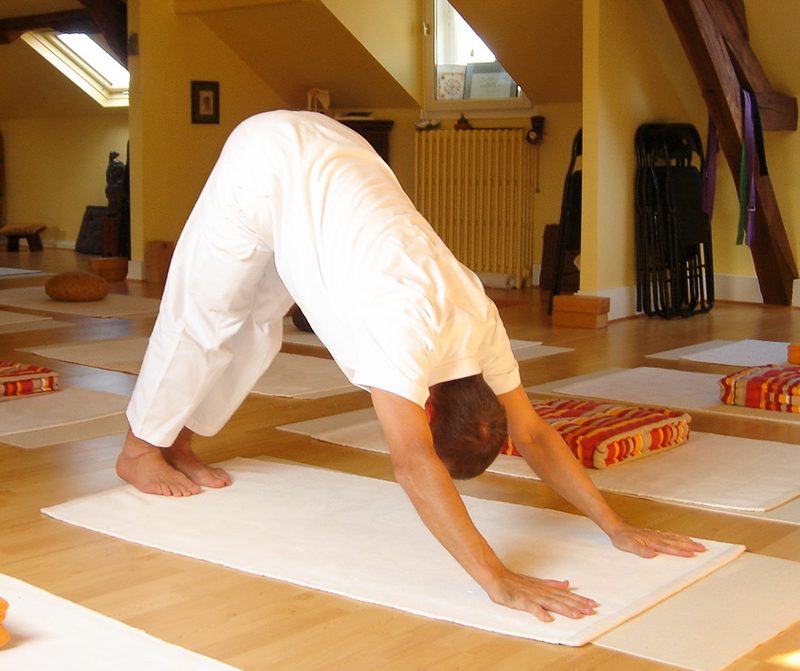
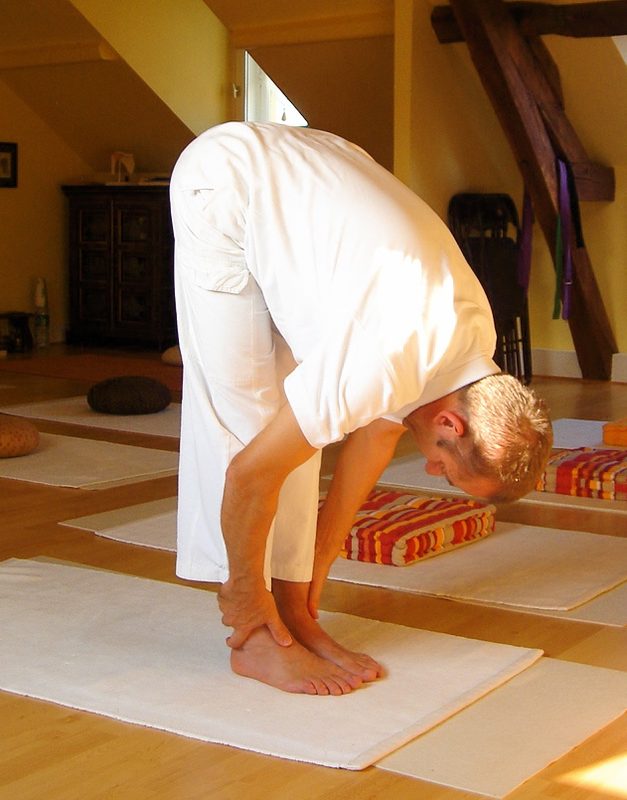
Standing Forward Fold (Uttanasana) uses gravity to release tension in the spine and hamstrings. From standing, fold forward at the hips, keeping the knees soft or bent. Let the head hang heavy, and hold opposite elbows. Hold for five breaths. The forward position naturally calms the mind through the pressure gradient that increases blood flow to the head and activates parasympathetic tone. Contraindications include uncontrolled hypertension and glaucoma. For patients with hamstring tightness, bend the knees generously or place the hands on blocks rather than reaching for the floor.
Digestive Disorders
Therapeutic asanas for digestion combine abdominal compression with gentle twisting to stimulate peristalsis and relieve gas and bloating.
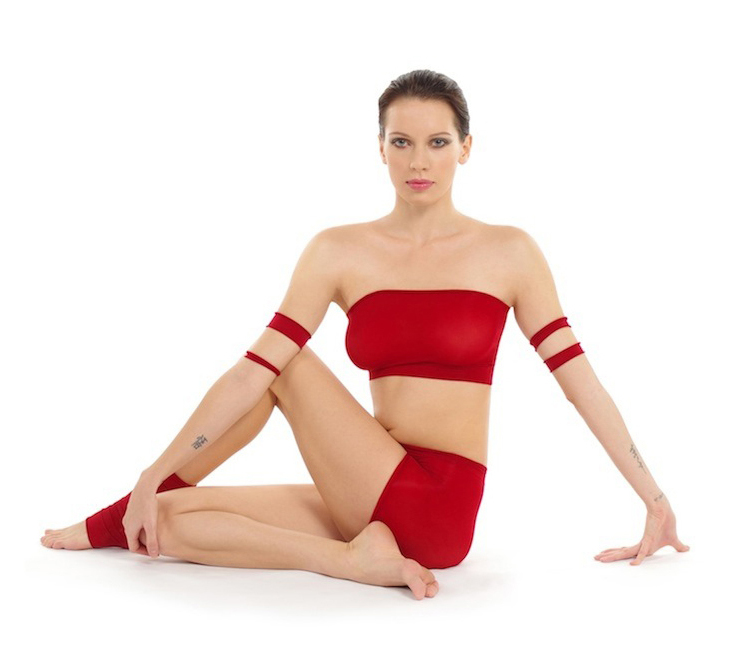
Seated Twist (Ardha Matsyendrasana) stimulates the digestive organs through gentle compression and release. Sit with both legs extended. Bend the right knee and place the right foot outside the left thigh. Cross the left arm over the right knee and twist toward the right, keeping the sitting bones grounded. Hold for five breaths on each side. Modifications include keeping the bottom leg straight instead of crossed, and using a blanket under the sitting bones for patients with tight hips. Contraindications include herniated disc, acute abdominal conditions, and colitis during active flare.
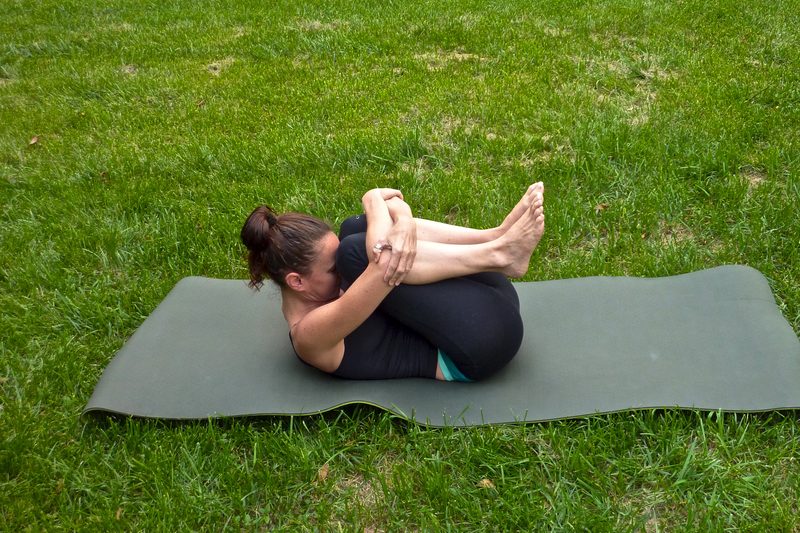
Wind-Relieving Pose (Pawanmuktasana) is precisely what its name suggests — a pose that aids the release of trapped gas. Lie on the back and draw both knees toward the chest, wrapping the arms around the shins. Lift the head and shoulders and gently rock or hold for five to ten breaths. This pose is safe for most patients and can be performed anytime, including after meals. Contraindications include recent abdominal surgery, active hernia, and pregnancy.
Headache and Tension
Yoga can be effective for tension headaches and migraine prevention through release of the upper back, neck, and jaw, and through nervous system regulation.
Child’s Pose with Side Stretching provides upper body release. From Child’s Pose, walk the hands to the left, stretching the right side body. Hold for five breaths, then repeat on the opposite side. This variation specifically releases the upper trapezius and levator scapulae, which are commonly involved in tension headache. For additional neck release, patients can gently roll the forehead from side to side while in Child’s Pose.
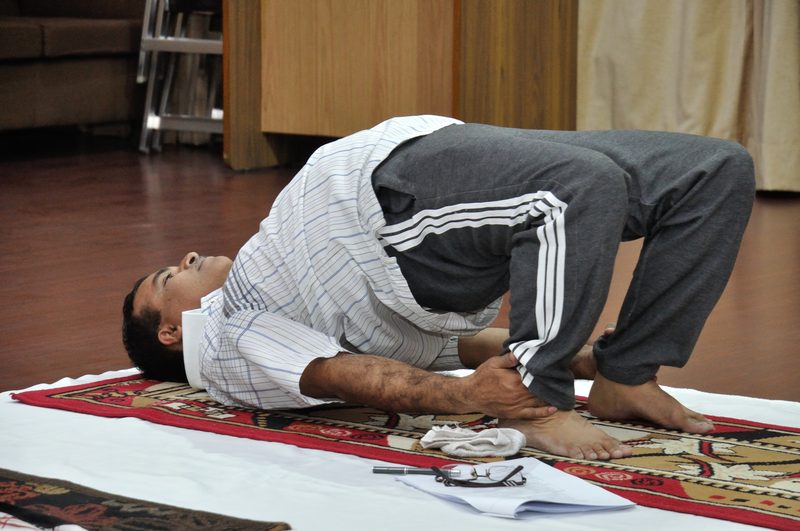
Bridge Pose (Setu Bandhasana) opens the chest and releases the upper back. Lie on the back with knees bent, feet hip-width apart. On an exhale, press into the feet and lift the hips. Clasp the hands under the back and press the arms down to open the chest. Hold for five breaths. This pose counteracts the forward-head, rounded-shoulder posture that contributes to cervicogenic headaches. Contraindications include recent neck injury and acute disc herniation.
Insomnia and Sleep Disorders
Restorative poses practiced before bed can significantly improve sleep quality by reducing sympathetic nervous system activation.
Legs-Up-the-Wall, as described above, is the single most effective yoga practice for sleep. When practiced for ten to fifteen minutes before bed, it lowers heart rate, reduces blood pressure, and shifts the nervous system toward parasympathetic dominance. Adding a rolled blanket under the sacrum increases the calming effect.
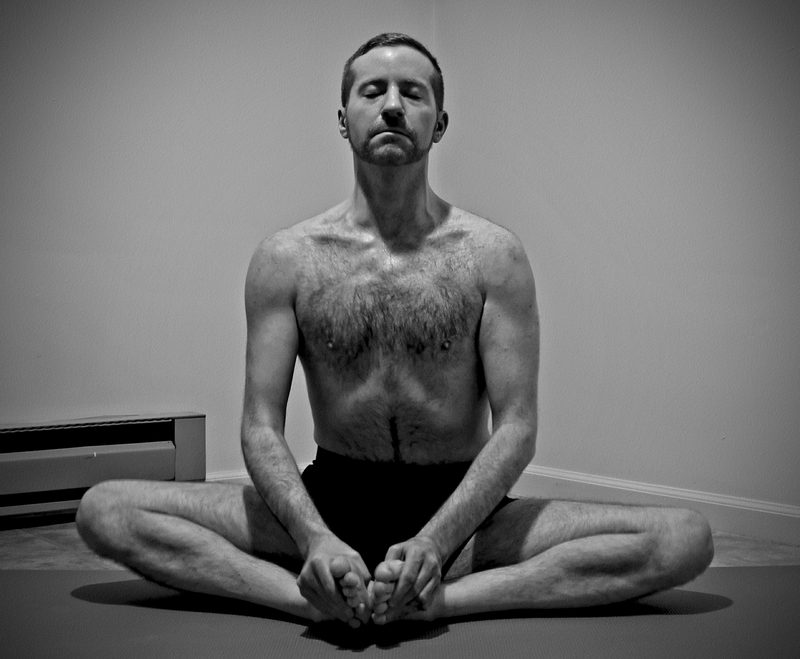
Supported Reclining Bound Angle Pose (Supta Baddha Konasana) is deeply restorative. Lie back on a bolster or stacked blankets placed lengthwise behind the back. Bring the soles of the feet together and allow the knees to fall open, supported by blankets or blocks under each thigh. Rest the arms at the sides, palms up. Hold for five to ten minutes. This pose opens the hips and chest while creating a sense of support and safety that promotes relaxation.
Hypertension
For patients with elevated blood pressure, yoga asanas should emphasize relaxation, avoid breath holding, and minimize inversions (other than gentle supported ones). A well-designed yoga sequence can reduce systolic blood pressure by 5 to 10 mmHg in patients with prehypertension.
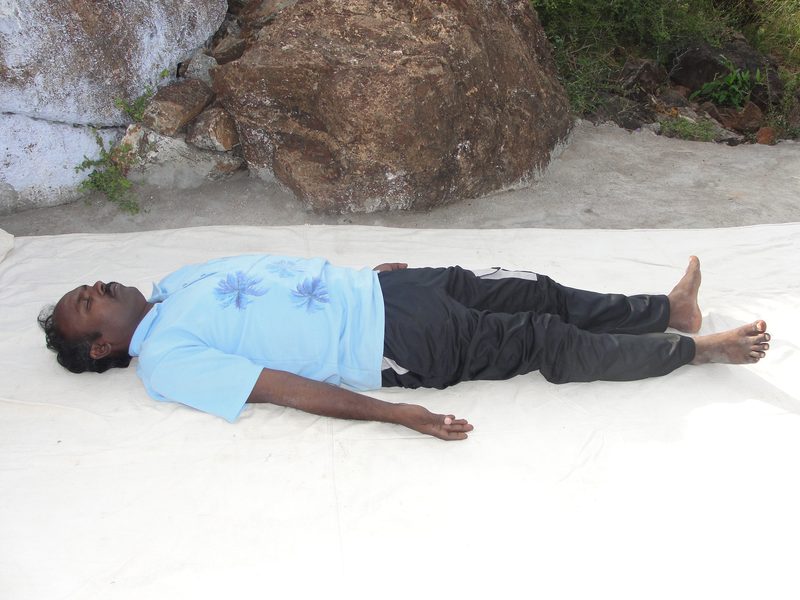
Supported Corpse Pose (Savasana) is the most evidence-based yoga asana for hypertension. Lie on the back with legs slightly apart, arms at the sides. Place a rolled blanket under the knees and another under the head. Cover the body with a blanket for warmth. Remain in this pose for ten minutes with awareness on slow, even breathing. A 2013 meta-analysis found that Savasana practiced regularly reduced both systolic and diastolic blood pressure, with greater effects when combined with pranayama.
Contraindications and Safety
Every asana has specific contraindications that must be respected. General contraindications for all asana practice include acute injuries, fever, intoxication, and severe fatigue. Patients with osteoporosis should avoid deep forward folds and spinal flexion under load. Patients with glaucoma should avoid inversions. Patients with disc herniation should avoid seated forward folds and deep twists. Patients with hypermobility should avoid locking the joints and should practice with a focus on stability rather than flexibility. A qualified instructor can provide modifications for most conditions.
Conclusion
Yoga asanas offer targeted therapeutic interventions for common health conditions when practiced with proper alignment, appropriate modifications, and awareness of contraindications. For the student, learning the therapeutic applications of individual poses builds a foundation for intelligent sequencing and safe practice. For the patient, specific asana practices provide self-care tools that complement medical treatment. For the clinician, understanding which asanas address which conditions enables precise recommendations that maximize benefit and minimize risk.