Botanical Overview
Malanga (Xanthosoma sagittifolium) belongs to the Araceae family. Limited but reliable traditional records indicate this plant has recognized medicinal applications in one or more healing traditions. The arum family (Araceae) includes herbs, climbers, and aquatics with a distinctive inflorescence consisting of a fleshy spike (spadix) surrounded by a modified leaf (spathe). Many species produce calcium oxalate crystals and acrid compounds that cause intense irritation. Despite this, several are used medicinally after proper preparation.
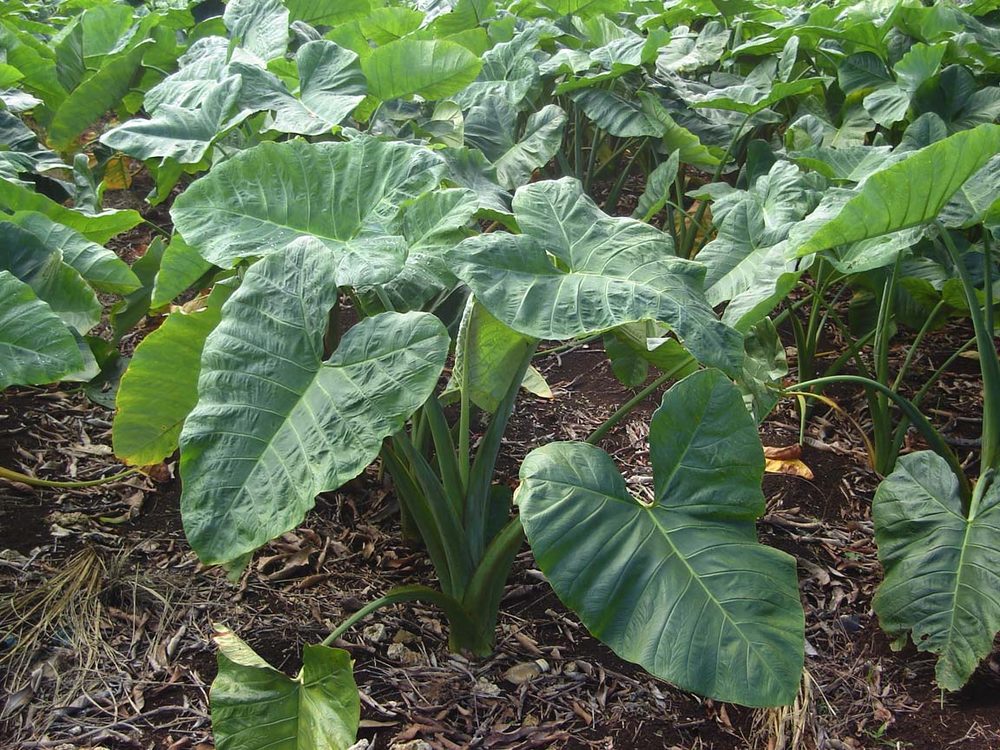
General Description
It produces an edible, starchy corm. X. sagittifolium is native to tropical America where it has been first cultivated. Around the 19th century, the plant spread to Southeast Asia and Africa and has been cultivated there ever since. X. sagittifolium is often confused with the related plant Colocasia esculenta (taro), which is similar both in appearance and its uses. Both plants are often collectively named ‘cocoyam’.
Family Context
The Araceae family is widely distributed. Notable medicinal members include:
- Jack-In-The-Pulpit — 34 documented uses
- Taro — 34 documented uses
- Skunk Cabbage — 33 documented uses
- Dumbcane — 27 documented uses
Geographic Distribution
Malanga has been recorded in 10 countries and territories worldwide, including Benin, Brazil, Colombia, Ecuador, Ghana, and others.
Traditional Uses
Malanga has been traditionally used for skin and wound care and immune system support.
Skin and wound care.
- Burn
- Sore
For skin conditions, the fresh or dried plant is applied topically as a poultice, wash, or compress. A strong decoction can be used to clean wounds and sores. The antimicrobial properties help prevent infection while promoting tissue repair.
Immune system support.
- Tumor
Immune support involves taking the herb as a decoction or tincture over extended periods. The active compounds stimulate immune cell activity and provide antimicrobial protection.
Active Compounds
Phytochemical research has identified 28 compounds in this species, including a diverse array of phytochemical classes (see the Complete Chemical Inventory below for the full list).
The identified compounds include the following categories:
- Alkaloid: nitrogenous compounds with diverse pharmacological activities