Botanical Overview
Woodfordia floribunda belongs to the Lythraceae family. While not among the most extensively documented medicinal plants, this species has recorded uses that warrant attention from researchers and practitioners. This species belongs to the Lythraceae family, a group of flowering plants.
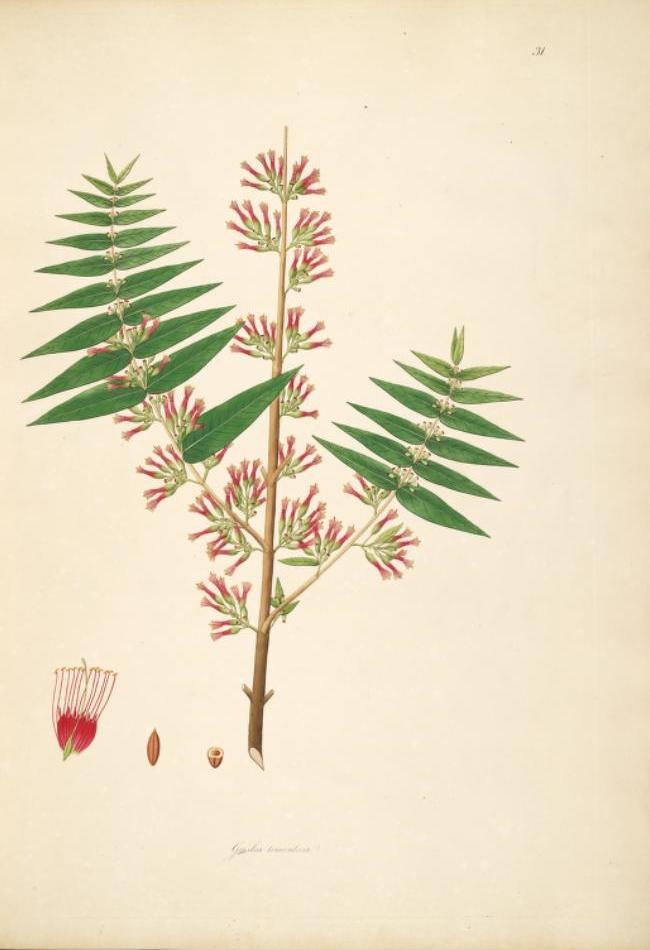
General Description
It is known to the Gujarati people as dhavdi.
Family Context
The Lythraceae family is widely distributed. Notable medicinal members include:
- Henna — 43 documented uses
- Sinicuichi — 21 documented uses
- Crape Myrtle — 21 documented uses
- Purple Loosestrife — 8 documented uses
Geographic Distribution
Woodfordia floribunda has been recorded in 10 countries and territories worldwide, including Bangladesh, Brazil, China, Ethiopia, Indonesia, and others.
Traditional Uses
Woodfordia floribunda has been traditionally used for digestive health and immune system support.
Digestive health.
- Dysentery
For digestive complaints, the herb is typically prepared as a tea or decoction taken before meals. The bitter compounds stimulate digestive secretions and improve nutrient absorption. Some traditions use the powdered root or leaves in small doses as a stomachic tonic.
Immune system support.
- Cancer
Immune support involves taking the herb as a decoction or tincture over extended periods. The active compounds stimulate immune cell activity and provide antimicrobial protection.
Active Compounds
Phytochemical research has identified 2 compounds in this species: betulin, betulinic-acid.