Botanical Overview
Viscum articulatum belongs to the Viscaceae family. While not among the most extensively documented medicinal plants, this species has recorded uses that warrant attention from researchers and practitioners. This species belongs to the Viscaceae family, a group of flowering plants.
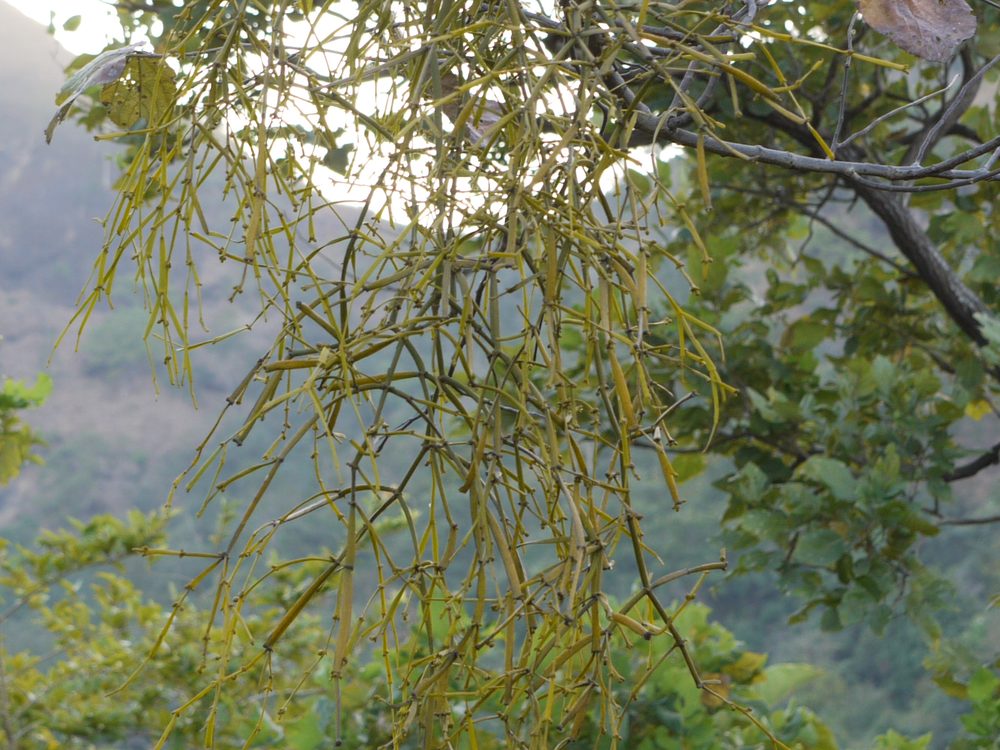
Family Context
The Viscaceae family is widely distributed. Notable medicinal members include:
- European Mistletoe — 33 documented uses
- Eastern Mistletoe — 4 documented uses
- Phoradendron juniperinum — 2 documented uses
Geographic Distribution
Viscum articulatum has been recorded in 10 countries and territories worldwide, including Australia, China, Ecuador, Indonesia, India, and others.
Traditional Uses
Viscum articulatum has been traditionally used for pain and inflammation, fever management, and reproductive health, among other applications.
Pain and inflammation.
- Anodyne
- Rheumatism
For pain and inflammation, preparations are applied both topically as compresses and taken internally. A warm poultice draws blood to the area and promotes healing, while internal preparations address systemic inflammation.
Fever management.
- Fever
Febrifuge preparations are typically administered as hot teas to induce perspiration, which helps the body regulate temperature. The patient is kept warm and encouraged to rest while the herb promotes sweating.
Reproductive health.
- Aphrodisiac
- Syphilis
In traditional contexts, reproductive health applications typically involve internal preparations such as teas or decoctions. The herb may be taken at specific times during the menstrual cycle.
Active Compounds
Phytochemical research has identified 2 compounds in this species: betulin, betulinic-acid.