Botanical Overview
Ucahuba (Virola surinamensis) belongs to the Myristicaceae family. While not among the most extensively documented medicinal plants, this species has recorded uses that warrant attention from researchers and practitioners. This species belongs to the Myristicaceae family, a group of flowering plants.
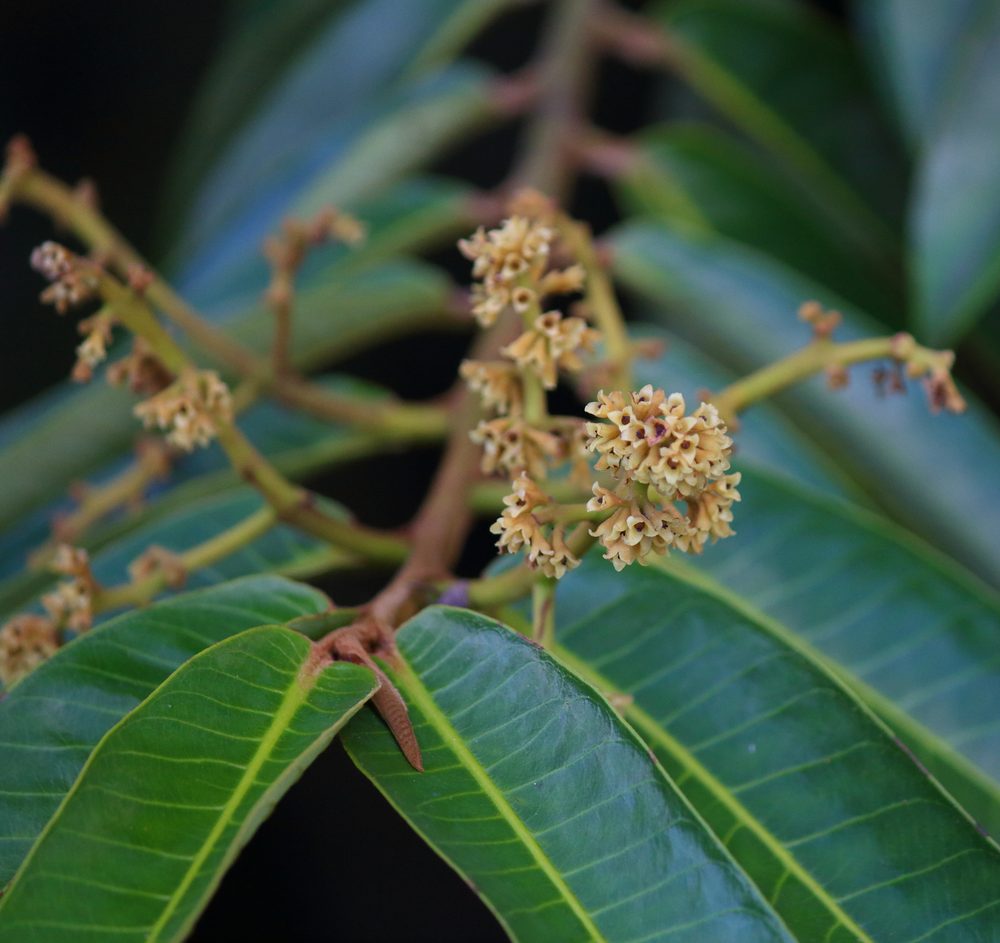
General Description
It is found in Bolivia, northern and central Brazil, Colombia, Ecuador, French Guiana, Guyana, Peru, Suriname, Trinidad and Tobago, and Venezuela. It has also been naturalized in the Caribbean. Its natural habitats are subtropical or tropical moist lowland forests, subtropical or tropical swamps, and heavily degraded former forest. Although the species is listed as threatened due to habitat loss by the IUCN, it is a common tree species found throughout Central and South America. Virola surinamensis grows 25–40 m (82–131 ft) tall. The leaves are 10–22 cm (3. 9–8. 7 in) long and 2–5 cm (0. 79–1. 97 in) wide. The fruits are ellipsoidal to subglobular, measuring about 13–21 mm (0. 51–0. 83 in) long and 11–18 mm (0. 43–0. 71 in) in diameter.
Family Context
The Myristicaceae family is widely distributed. Notable medicinal members include:
Geographic Distribution
Ucahuba has been recorded in 10 countries and territories worldwide, including Brazil, Colombia, Costa Rica, Ecuador, French Guiana, and others.
Traditional Uses
Ucahuba has been traditionally used for pain and inflammation.
Pain and inflammation.
- Rheumatism
For pain and inflammation, preparations are applied both topically as compresses and taken internally. A warm poultice draws blood to the area and promotes healing, while internal preparations address systemic inflammation.
Active Compounds
Phytochemical research has identified 15 compounds in this species, including a diverse array of phytochemical classes (see the Complete Chemical Inventory below for the full list).
The identified compounds include the following categories:
- Alkaloid: nitrogenous compounds with diverse pharmacological activities