Botanical Overview
Vigna umbellata is a species in the Fabaceae family. The legume family (Fabaceae) includes trees, shrubs, and herbs that produce pods (legumes) and form nitrogen-fixing root nodules through symbiosis with bacteria. The flowers are typically pea-shaped with five petals. This large family provides food staples, timber, and numerous medicinal species. Phytochemical data for this species are limited at present.
General Description
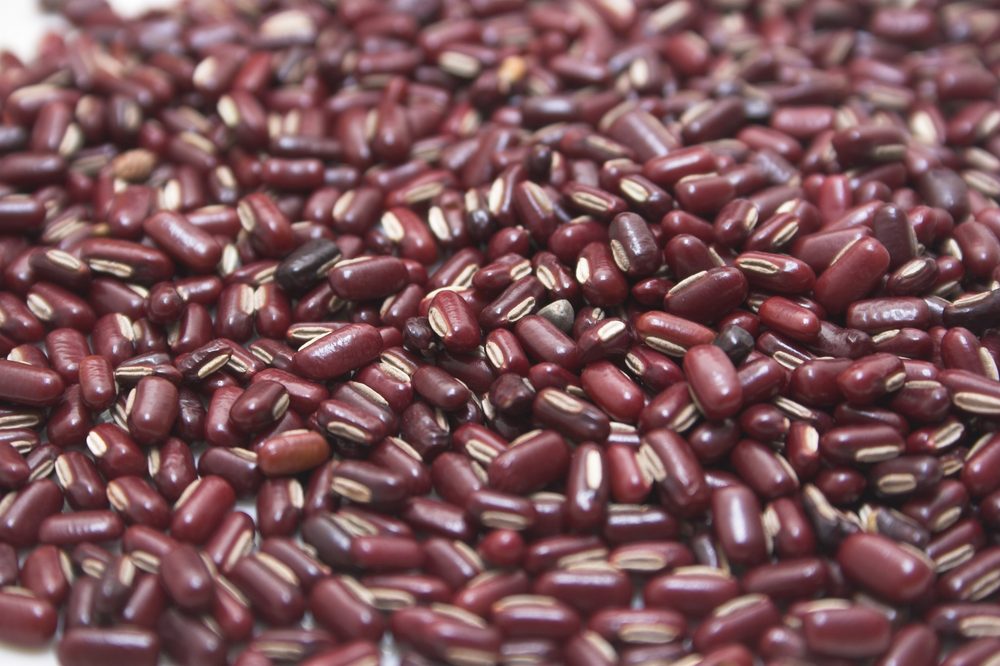
It is commonly called ricebean or rice bean. To date, it is little known, little researched, and little exploited. It is regarded as a minor food and fodder crop and is often grown as intercrop or mixed crop with maize (Zea mays), sorghum (Sorghum bicolor) or cowpea (V. unguiculata), as well as a sole crop in the uplands, on a very limited area. Like the other Asiatic Vigna species, ricebean is a fairly short-lived warm-season annual. Grown mainly as a dried pulse, it is also important as a fodder, a green manure and a vegetable. Ricebean is most widely grown as an intercrop, particularly of maize, throughout Indo-China and extending into southern China, India, Nepal and Bangladesh. In the past it was widely grown as lowland crop on residual soil water after the harvest of long-season rice, but it has been displaced to a great extent where shorter duration rice varieties are grown. Ricebean grows well on a range of soils. It establishes rapidly and has the potential to produce large amounts of nutritious animal fodder and high quality grain.
Family Context
The Fabaceae family is large and globally distributed. Notable medicinal members include:
- Soybean — 76 documented uses
- Crab’s Eye — 73 documented uses
- Tamarind — 59 documented uses
- Common Indigo — 51 documented uses
Geographic Distribution
Vigna umbellata has been recorded in 10 countries and territories worldwide, including Brazil, China, Indonesia, India, Japan, and others.
Active Compounds
Phytochemical research has identified 1 compound in this species: hydroxygenistein.
Research Status
Although this species has documented phytochemical constituents, its ethnobotanical and clinical documentation remains incomplete. Systematic pharmacological studies are needed to validate the traditional uses attributed to this species.