Botanical Overview
Commonly known as Mullein, this species belongs to the Scrophulariaceae family. Traditional healers across continents have independently recognized the medicinal value of this species, leading to one of the most extensive ethnobotanical records available. The figwort family (Scrophulariaceae) includes herbs and shrubs with alternate or opposite leaves and two-lipped, often showy flowers. The fruits are typically capsules with many small seeds. Many species contain iridoid glycosides and cardiac glycosides with medicinal properties.
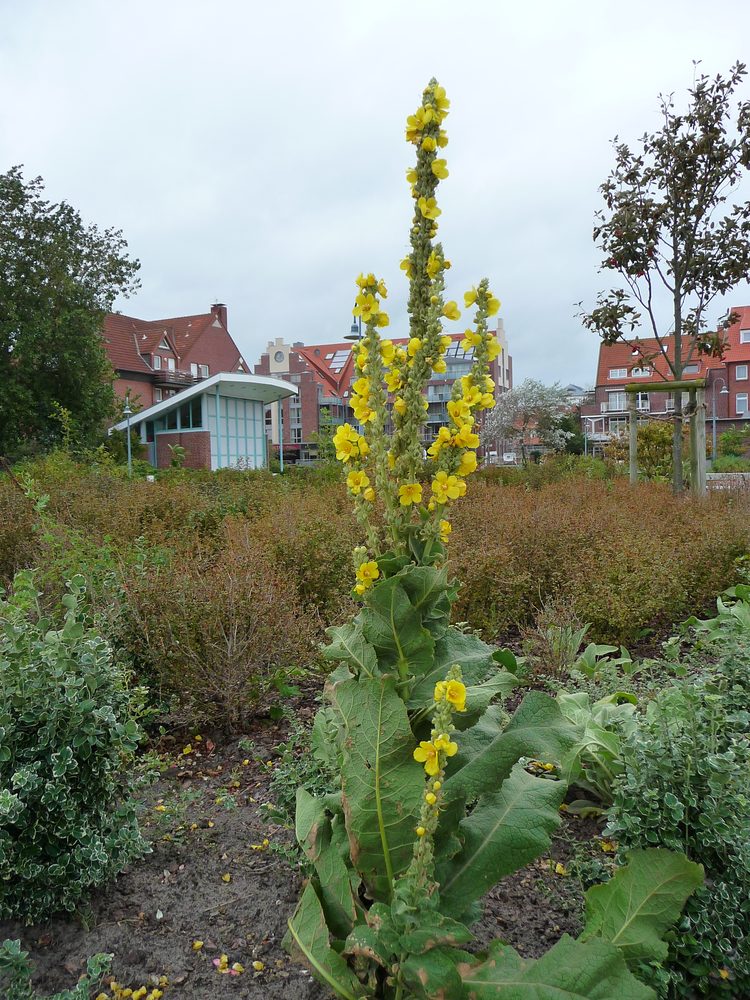
General Description
It is a hairy biennial plant that can grow to 2 m tall or more. Its small, yellow flowers are densely grouped on a tall stem, which grows from a large rosette of leaves. It grows in a wide variety of habitats, but prefers well-lit, disturbed soils, where it can appear soon after the ground receives light, from long-lived seeds that persist in the soil seed bank. It is a common weedy plant that spreads by prolifically producing seeds, and has become invasive in temperate world regions. It is a minor problem for most agricultural crops, since it is not a competitive species, being intolerant of shade from other plants and unable to survive tilling. It also hosts many insects, some of which can be harmful to other plants. Although individuals are easy to remove by hand, populations are difficult to eliminate permanently. Although commonly used in traditional medicine, no approved drugs are made from this plant. It has been used to make dyes and torches.
Family Context
The Scrophulariaceae family is widely distributed. Notable medicinal members include:
- Scoparia dulcis — 56 documented uses
- Chinese Foxglove — 53 documented uses
- Common Speedwell — 24 documented uses
- Purple Foxglove — 19 documented uses
Geographic Distribution
Mullein has been recorded in 10 countries and territories worldwide, including Belgium, Canada, Switzerland, Germany, France, and others.
Traditional Uses
Mullein has been traditionally used for digestive health, respiratory conditions, and urinary tract health, among other applications.
Digestive health.
- Dysentery
For digestive complaints, the herb is typically prepared as a tea or decoction taken before meals. The bitter compounds stimulate digestive secretions and improve nutrient absorption. Some traditions use the powdered root or leaves in small doses as a stomachic tonic.
Respiratory conditions.
- Asthma
- Cough
- Pectoral
- Catarrh
- Cold
- Expectorant
Respiratory conditions are addressed through steam inhalation of the herb’s vapors or internal use as a warm tea. The hot infusion acts as an expectorant, helping to loosen phlegm and clear congestion. Some traditions combine it with honey for coughs.
Urinary tract health.
- Diuretic
Urinary tract applications typically involve drinking the herb as a mild tea, which increases urine production and helps flush the urinary system. It may be combined with other demulcent herbs to soothe irritated tissues.
Active Compounds
Phytochemical research has identified 30 compounds in this species, including a diverse array of phytochemical classes (see the Complete Chemical Inventory below for the full list).
The identified compounds include the following categories:
- Flavonoid: antioxidant compounds that protect cells from oxidative damage
- Sterol: cholesterol-like compounds with anti-inflammatory properties