Botanical Overview
Vanilla (Vanilla planifolia) belongs to the Orchidaceae family. While not among the most extensively documented medicinal plants, this species has recorded uses that warrant attention from researchers and practitioners. This species belongs to the Orchidaceae family, a group of flowering plants.
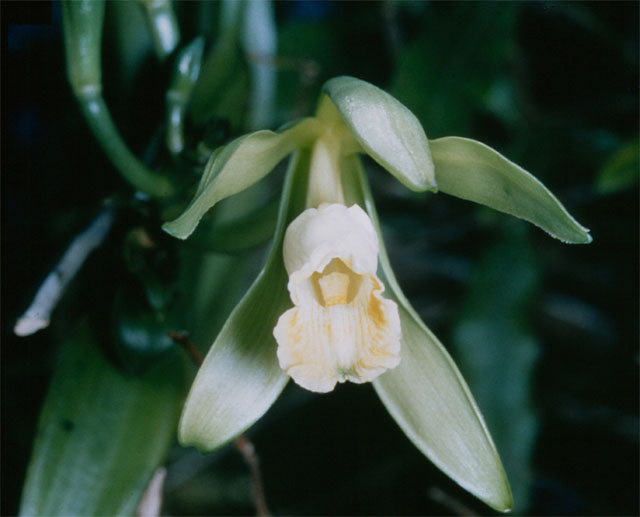
Family Context
The Orchidaceae family is widely distributed. Notable medicinal members include:
- Hyacinth Orchid — 31 documented uses
- Tian Ma — 26 documented uses
- Noble Dendrobium — 11 documented uses
- Ladyslipper — 1 documented uses
Geographic Distribution
Vanilla has been recorded in 10 countries and territories worldwide, including Brazil, Colombia, Costa Rica, Guadeloupe, Madagascar, and others.
Traditional Uses
Vanilla has been traditionally used for digestive health, nervous system disorders, and reproductive health, among other applications.
Digestive health.
- Carminative
For digestive complaints, the herb is typically prepared as a tea or decoction taken before meals. The bitter compounds stimulate digestive secretions and improve nutrient absorption. Some traditions use the powdered root or leaves in small doses as a stomachic tonic.
Nervous system disorders.
- Spasm
Nervous system support involves taking the herb as a warm tea, often in the evening or before bed. The calming compounds interact with neurotransmitter systems to promote relaxation and restful sleep.
Reproductive health.
- Aphrodisiac
- Syphilis
In traditional contexts, reproductive health applications typically involve internal preparations such as teas or decoctions. The herb may be taken at specific times during the menstrual cycle.
Active Compounds
Phytochemical research has identified 30 compounds in this species, including a diverse array of phytochemical classes (see the Complete Chemical Inventory below for the full list).
The identified compounds include the following categories:
- Phenolic: antioxidant compounds that neutralize free radicals