Valerian

Also known as: Common Valerian, Garden-Heliotrope

Botanical Overview

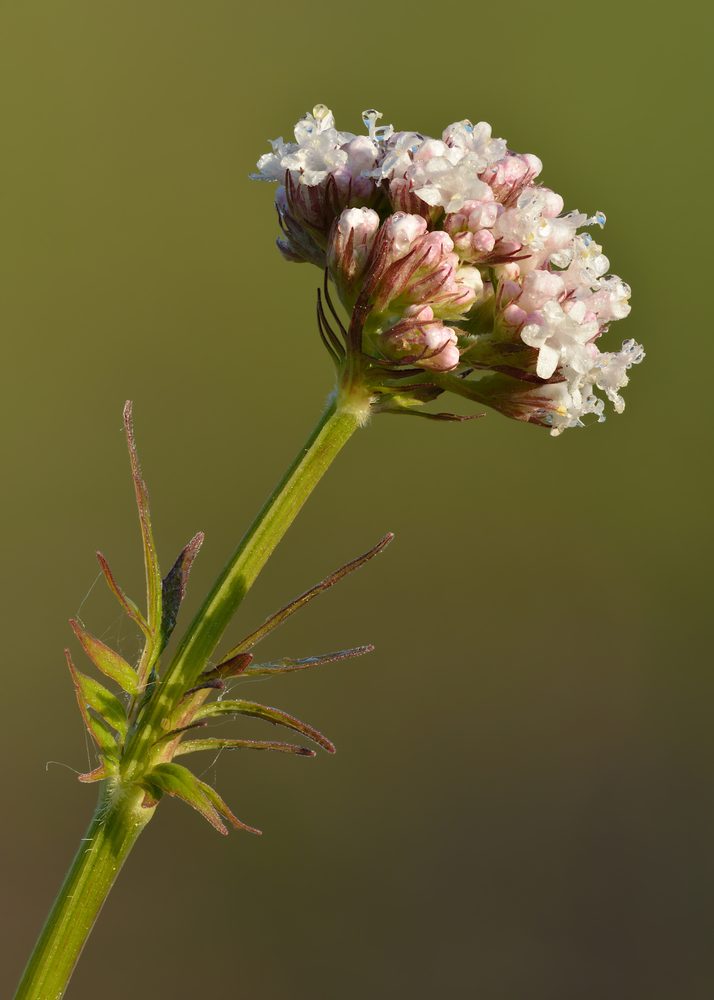
Valerian (Valeriana officinalis) is a flowering plant in the Valerianaceae family. This plant has earned a place in traditional medicine through its consistent therapeutic benefits, recorded across multiple cultures. This species belongs to the Valerianaceae family, a group of flowering plants.
Family Context

The Valerianaceae family is widely distributed. Notable medicinal members include:

Geographic Distribution

Valerian has been recorded in 10 countries and territories worldwide, including Austria, Belgium, Switzerland, Germany, Finland, and others.

Traditional Uses

Valerian has been traditionally used for digestive health, respiratory conditions, and skin and wound care, among other applications.

Digestive health.

  • Carminative
  • Vermifuge

For digestive complaints, the herb is typically prepared as a tea or decoction taken before meals. The bitter compounds stimulate digestive secretions and improve nutrient absorption. Some traditions use the powdered root or leaves in small doses as a stomachic tonic.

Respiratory conditions.

  • Catarrh

Respiratory conditions are addressed through steam inhalation of the herb’s vapors or internal use as a warm tea. The hot infusion acts as an expectorant, helping to loosen phlegm and clear congestion. Some traditions combine it with honey for coughs.

Skin and wound care.

  • Sore
  • Wound

For skin conditions, the fresh or dried plant is applied topically as a poultice, wash, or compress. A strong decoction can be used to clean wounds and sores. The antimicrobial properties help prevent infection while promoting tissue repair.

Active Compounds

Phytochemical research has identified 30 compounds in this species, including a diverse array of phytochemical classes (see the Complete Chemical Inventory below for the full list).

The identified compounds include the following categories:

  • Alkaloid: nitrogenous compounds with diverse pharmacological activities
ⓘ Information
Information on this page is compiled from Dr. Duke’s Phytochemical and Ethnobotanical Databases (USDA ARS), a public domain resource. Consult a healthcare professional before using any herbal preparation.
⚠ Caution
Traditional records: This plant has documented uses including Narcotic. Self-medication with herbs carries risks including allergic reactions, drug interactions, and toxicity. Only use under the supervision of a qualified healthcare professional.

Distribution and Conservation

Reported distribution: Austria, Belgium, Switzerland, Germany, Finland, France, United Kingdom, Netherlands, Russia, Sweden.

Complete Use Records

CategoryCultural Context
SpasmChina, Elsewhere, Europe, Turkey
SedativeChina, Elsewhere, Turkey
CarminativeChina, Elsewhere
HysteriaElsewhere, Germany
InsomniaChina, Elsewhere
NervineEurope, Turkey
StimulantElsewhere, Turkey
HypnoticSpain, Turkey
Ache(Back)China
BruiseChina
FeverChina
FluChina
HypochondriaElsewhere
MenoxeniaChina
NarcoticElsewhere
NervesElsewhere
NeurastheniaChina
NumbnessChina
PerfumeEurope
Polyp(Nose)Europe
SoreChina
SpiceEurope
SudorificTurkey
TonicElsewhere
VermifugeTurkey
WoundChina
AntispasmodicElsewhere
CatarrhEurope
ConvulsionElsewhere
EpilepsyElsewhere

Complete Chemical Inventory

CompoundFormulaMW
(+)-ACTINIDINEC₁₀H₁₃N147.22 Da
(+)-BETA-BISABOLENEC₁₅H₂₄204.35 Da
(+)-EREMOPHILENEC₁₅H₂₄204.35 Da
(+)-GAMMA-CADINENEC₁₅H₂₄204.35 Da
(+)-MAALIOXIDEC₁₅H₂₆O222.37 Da
(-)-ACTINIDINEC₁₀H₁₃N147.22 Da
(-)-ALLOAROMADENDRENEC₁₅H₂₄204.35 Da
(-)-ALPHA-FENCHENEC₁₀H₁₆136.23 Da
(-)-ALPHA-PINENEC₁₀H₁₆136.23 Da
(-)-AR-CURCUMENEC₁₅H₂₂202.33 Da
(-)-BETA-ELEMENEC₁₅H₂₄204.35 Da
(-)-BETA-PHELLANDRENEC₁₀H₁₆136.23 Da
(-)-BETA-PINENEC₁₀H₁₆136.23 Da
(-)-BORNEOLC₁₀H₁₈O154.25 Da
(-)-BORNEOL-ACETATEC₁₂H₂₀O₂196.29 Da
(-)-BORNEOL-ISOVALERATE
(-)-CAMPHENEC₁₀H₁₆136.23 Da
(-)-CARYOPHYLLENEC₁₅H₂₄204.35 Da
(-)-LIMONENEC₁₀H₁₆136.23 Da
(-)-MYRTENOLC₁₀H₁₆O152.23 Da
(-)-MYRTENOL-ISOVALERATE
(-)-PACIFIGORGIOLC₁₅H₂₆O222.37 Da
(S)-(-)-ACTINIDINE
1,8-CINEOLC₁₀H₁₈O154.25 Da
1,8-CINEOLEC₁₀H₁₈O154.25 Da
1-ALPHA-ACEVALTRATEC₂₄H₃₂O₁₀480.5 Da
2-ACETYL-PYRROLEC₆H₇NO109.13 Da
7-BETA-ACEVALTRATE
7-EPIDEACETYLISOVALTRATE
8-EPIKESSANOL

Data from PubChem (NIH/NLM, public domain).


References & Further Reading

External Research Links

Data Sources