Botanical Overview
Cranberry (Vaccinium macrocarpon) belongs to the Ericaceae family. Limited but reliable traditional records indicate this plant has recognized medicinal applications in one or more healing traditions. The heath family (Ericaceae) includes shrubs and small trees with simple, often evergreen leaves that are typically thick and leathery. The flowers are urn-shaped or bell-shaped with fused petals. Many species grow in acidic soils and form mycorrhizal associations, and several produce berries used in traditional medicine.
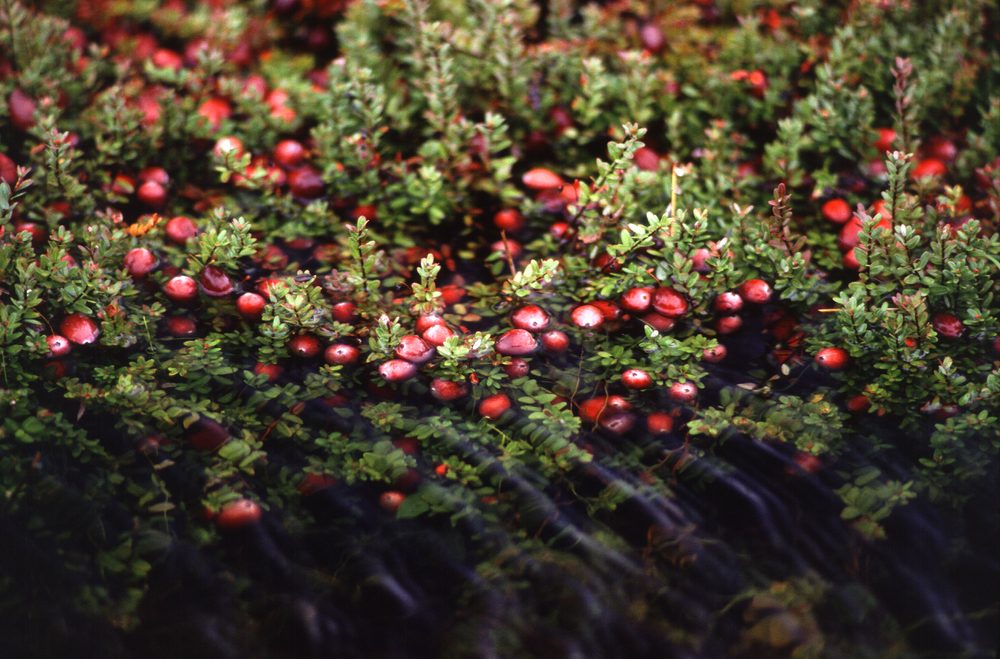
General Description
The name cranberry comes from the shape of the flower stamen, which looks like a crane’s beak.
Family Context
The Ericaceae family is widely distributed worldwide. Notable medicinal members include:
- King’s Cure — 24 documented uses
- Mountain Laurel — 18 documented uses
- Bearberry — 15 documented uses
- Indian Wintergreen — 15 documented uses
Geographic Distribution
Cranberry has been recorded in 10 countries and territories worldwide, including Afghanistan, Belgium, Canada, Switzerland, Germany, and others.
Traditional Uses
Cranberry has been traditionally used for immune system support.
Immune system support.
- Cancer
Immune support involves taking the herb as a decoction or tincture over extended periods. The active compounds stimulate immune cell activity and provide antimicrobial protection.
Active Compounds
Phytochemical research has identified 30 compounds in this species, including a diverse array of phytochemical classes (see the Complete Chemical Inventory below for the full list).
The identified compounds include the following categories:
- Flavonoid: antioxidant compounds that protect cells from oxidative damage
- Phenolic: antioxidant compounds that neutralize free radicals
- Alkaloid: nitrogenous compounds with diverse pharmacological activities