Botanical Overview
Eastern Hemlock (Tsuga canadensis) belongs to the Pinaceae family. While not among the most extensively documented medicinal plants, this species has recorded uses that warrant attention from researchers and practitioners. The pine family (Pinaceae) includes coniferous trees with needle-like leaves arranged in bundles or spirally along the branches. They produce male and female cones and are wind-pollinated. The resin contains turpentine and other terpenes with traditional medicinal uses for respiratory conditions.
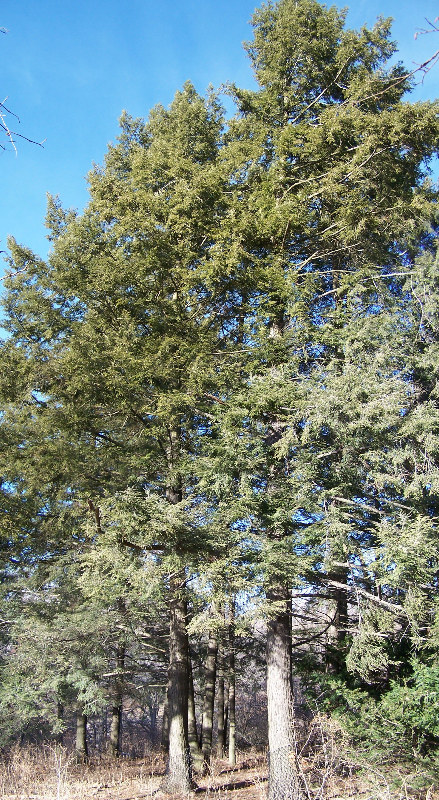
General Description
It is the state tree of Pennsylvania. Eastern hemlocks are widespread throughout much of the Great Lakes region, the Appalachian Mountains, The Maritimes and the Northeastern United States. They have been introduced in the United Kingdom and mainland Europe, where they are used as ornamental trees. Eastern hemlock populations in North America are threatened in much of their range by the spread of the invasive Hemlock woolly adelgid, which infests and eventually kills trees. Declines in population from hemlock wooly adelgid infestation have led to Tsuga canadensis being listed as Near Threatened on the IUCN Red List. Eastern hemlocks are long lived trees, with many examples living for more than 500 years. They can grow to heights of more than 30 metres (100 ft), and are tolerant of shade, moist soil, and slopes. Hemlock wood is used in construction, and for railroad ties. Historically its bark was an important source of tannin for the leather tanning industry. Eastern hemlocks are popular as ornamental trees, thanks to their tolerance of a wide variety of soil and light conditions, as well as their characteristic drooping branches of the mutated tree known as ‘weeping hemlock’.
Family Context
The Pinaceae family is widely distributed in the Northern Hemisphere. Notable medicinal members include:
- Longleaf Pine — 29 documented uses
- Chir Pine — 27 documented uses
- Silver-Fir — 20 documented uses
- Pinyon Pine — 15 documented uses
Geographic Distribution
Eastern Hemlock has been recorded in 10 countries and territories worldwide, including Belgium, Canada, Germany, United Kingdom, Latvia, and others.
Traditional Uses
Eastern Hemlock has been traditionally used for respiratory conditions, skin and wound care, and pain and inflammation, among other applications.
Respiratory conditions.
- Cough
- Cold
Respiratory conditions are addressed through steam inhalation of the herb’s vapors or internal use as a warm tea. The hot infusion acts as an expectorant, helping to loosen phlegm and clear congestion. Some traditions combine it with honey for coughs.
Skin and wound care.
- Sore
For skin conditions, the fresh or dried plant is applied topically as a poultice, wash, or compress. A strong decoction can be used to clean wounds and sores. The antimicrobial properties help prevent infection while promoting tissue repair.
Pain and inflammation.
- Swelling
For pain and inflammation, preparations are applied both topically as compresses and taken internally. A warm poultice draws blood to the area and promotes healing, while internal preparations address systemic inflammation.
Active Compounds
Phytochemical research has identified 16 compounds in this species, including a diverse array of phytochemical classes (see the Complete Chemical Inventory below for the full list).
The identified compounds include the following categories:
- Alkaloid: nitrogenous compounds with diverse pharmacological activities
- Tannin: astringent compounds that tighten tissues and resist infection