Botanical Overview
Anu (Tropaeolum tuberosum) is a species in the Tropaeolaceae family. This species belongs to the Tropaeolaceae family, a group of flowering plants. Although comprehensive ethnobotanical records are limited, phytochemical studies have identified 14 compounds in this species, suggesting potential medicinal value.
General Description
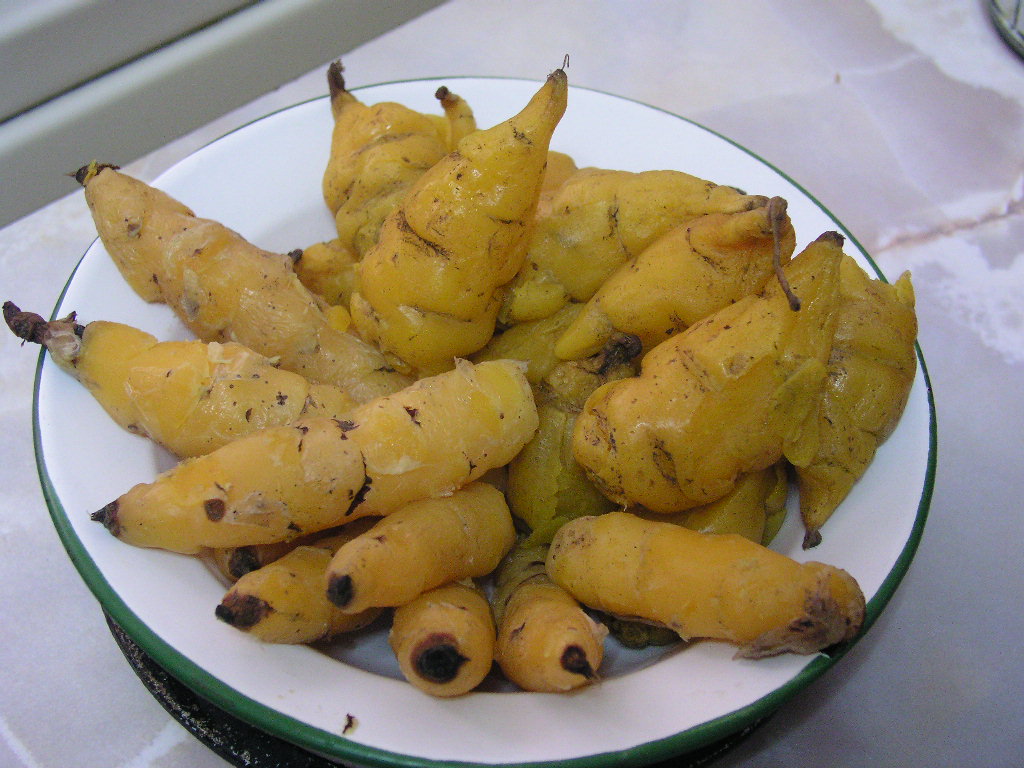
It is a minor food source, especially for native Amerindian populations. Mashua is a herbaceous perennial climber growing to 2–4 m (7–13 ft) in height. It is related to garden nasturtiums, and is occasionally cultivated as an ornamental for its brightly coloured tubular flowers. The leaves are peltate, roundly five-lobed with a petiole that twines weakly but is not truly a tendril. The root is tuberous.
Family Context
The Tropaeolaceae family is widely distributed. Notable medicinal members include:
- Nasturtium — 22 documented uses
Geographic Distribution
Anu has been recorded in 10 countries and territories worldwide, including Argentina, Belgium, Bolivia, Canada, Chile, and others.
Active Compounds
Phytochemical research has identified 14 compounds in this species, including a diverse array of phytochemical classes (see the Complete Chemical Inventory below for the full list).
The identified compounds include the following categories:
- Alkaloid: nitrogenous compounds with diverse pharmacological activities
Research Status
Although this species has documented phytochemical constituents, its ethnobotanical and clinical documentation remains incomplete. Systematic pharmacological studies are needed to validate the traditional uses attributed to this species.