Botanical Overview
Wheat (Triticum aestivum) is a flowering plant in the Poaceae family. Traditional medicine systems have documented several valuable applications for this species, supported by its observed therapeutic effects. The grass family (Poaceae) includes annual and perennial herbs with hollow, jointed stems and narrow leaves with parallel venation. The flowers are reduced and arranged in spikelets, and the fruits are grains (caryopses). This family provides the majority of the world’s food calories through cereals.
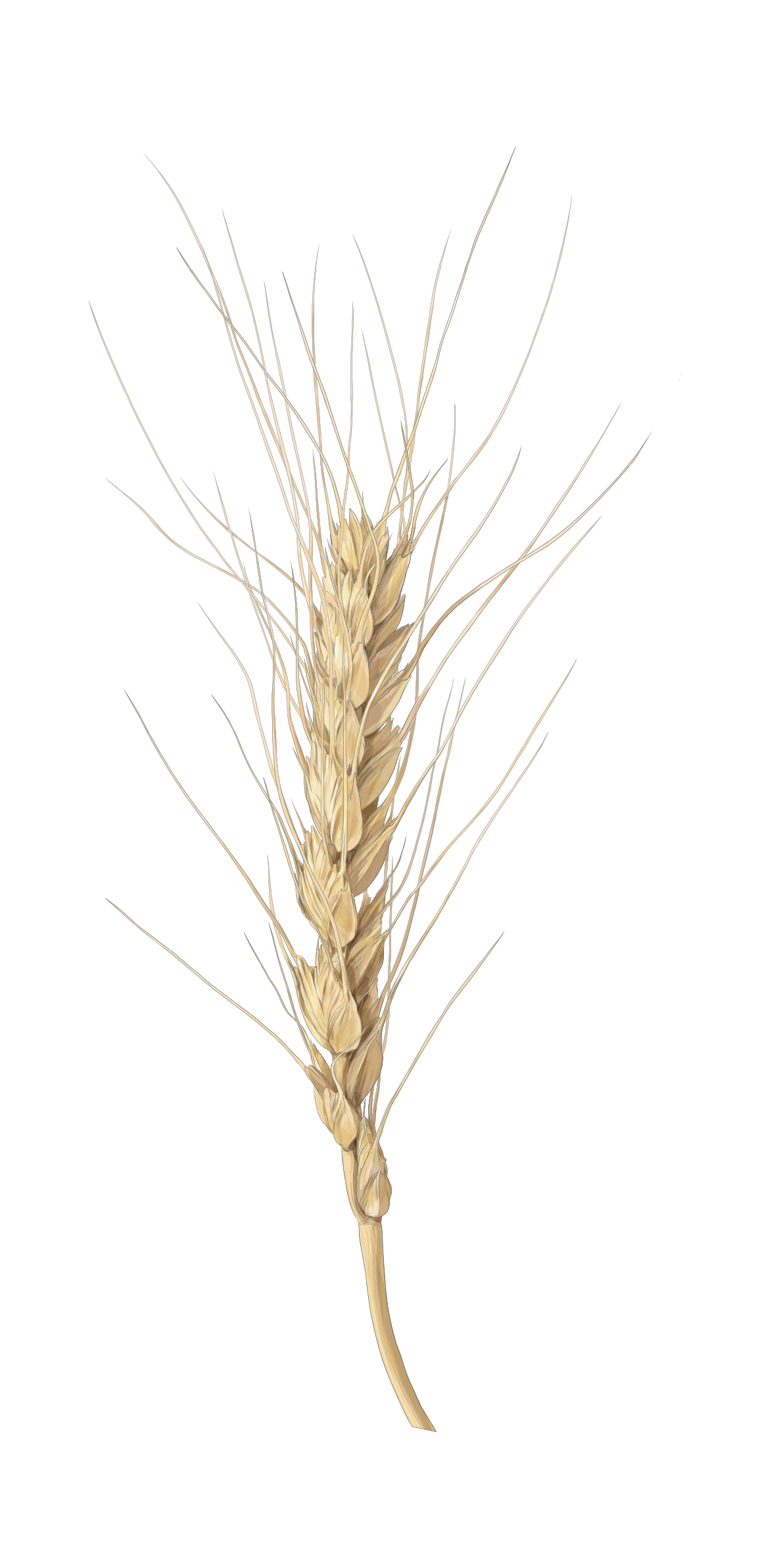
General Description
It originated around 8,000 years ago, from the hybridization of an already existing domesticated variety of wheat and the wild goatgrass in the South Caucasus or southwestern Caspian area. About 95% of wheat produced worldwide is this species; it is the most widely grown of all crops and the cereal with the highest monetary yield.
Family Context
The Poaceae family is very large and globally distributed. Notable medicinal members include:
- Adlay — 54 documented uses
- Corn — 51 documented uses
- Rice — 47 documented uses
- West Indian Lemongrass — 43 documented uses
Traditional Uses
Wheat has been traditionally used for digestive health, skin and wound care, and urinary tract health, among other applications.
Digestive health.
- Diarrhea
- Dysentery
For digestive complaints, the herb is typically prepared as a tea or decoction taken before meals. The bitter compounds stimulate digestive secretions and improve nutrient absorption. Some traditions use the powdered root or leaves in small doses as a stomachic tonic.
Skin and wound care.
- Skin
For skin conditions, the fresh or dried plant is applied topically as a poultice, wash, or compress. A strong decoction can be used to clean wounds and sores. The antimicrobial properties help prevent infection while promoting tissue repair.
Urinary tract health.
- Diuretic
- Gravel
Urinary tract applications typically involve drinking the herb as a mild tea, which increases urine production and helps flush the urinary system. It may be combined with other demulcent herbs to soothe irritated tissues.
Active Compounds
Phytochemical research has identified 30 compounds in this species, including a diverse array of phytochemical classes (see the Complete Chemical Inventory below for the full list).
The identified compounds include the following categories:
- Flavonoid: antioxidant compounds that protect cells from oxidative damage
- Coumarin: aromatic compounds with anticoagulant and anti-inflammatory effects
- Sterol: cholesterol-like compounds with anti-inflammatory properties