Botanical Overview
Trifolium subterraneum is a species in the Fabaceae family. The legume family (Fabaceae) includes trees, shrubs, and herbs that produce pods (legumes) and form nitrogen-fixing root nodules through symbiosis with bacteria. The flowers are typically pea-shaped with five petals. This large family provides food staples, timber, and numerous medicinal species. Phytochemical data for this species are limited at present.
General Description
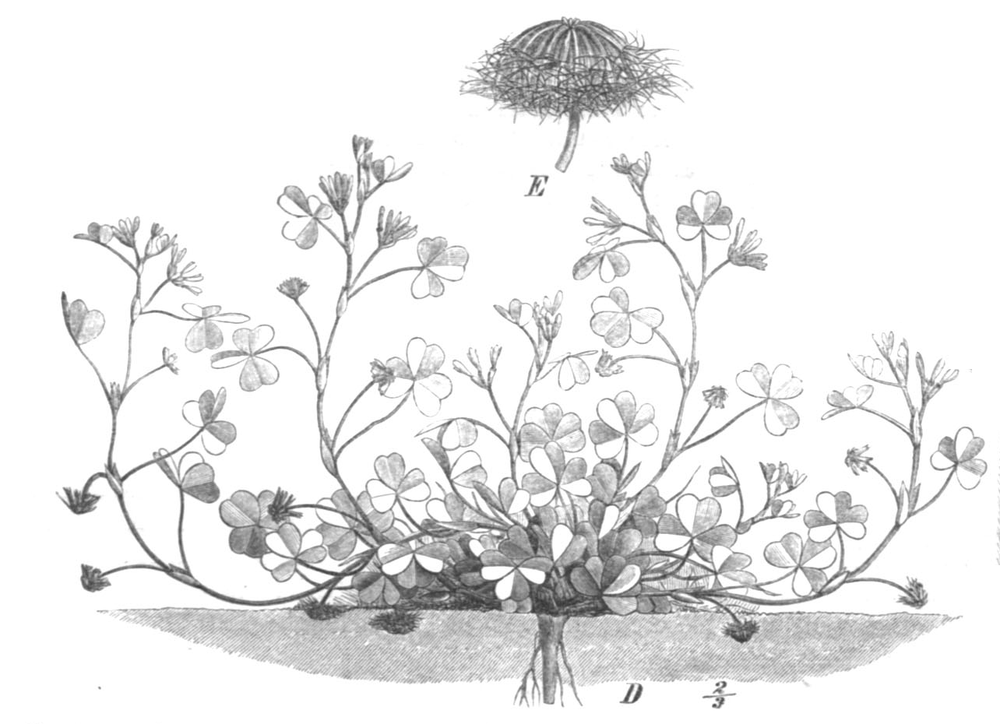
The plant’s name comes from its underground seed development (geocarpy), a characteristic not possessed by other clovers. It can thrive in poor-quality soil where other clovers cannot survive, and is grown commercially for animal fodder. There are three distinct subspecies used in agriculture, each with its own ideal climate and soil type, allowing for wide distribution of the plant over varied environments. T. subterraneum subsp. subterraneum is the generalist subspecies, and it can be grown in the widest range of environments. T. subterraneum subsp. yanninicum is grown in moist areas that are prone to flooding or waterlogging. T. subterraneum subsp. brachycalycinum is a more sensitive plant, requiring dry, cracked soil for its germination. Some systematists consider the three plants to be separate species. There are many strains and varieties of these subspecies, but few are in wide use. The technique of mixing the subspecies in one field is popular as a method of ensuring a dense crop. Also, subterranean clover is sometimes mixed with alfalfa for a longer-lasting grazing pasture. This species is self-fertilizing, unlike most legume forage crops such as alfalfa and other clovers, which are pollinated by insects, especially honeybees. The flowers of subclover are often located beneath its leaves and are low in nectar, making access both difficult and unappealing for bees. These characteristics also make the plant less attractive to certain types of pest insects. Subterranean clover is one of the most commonly grown forage crops in Australia. It provides high quality forage to livestock. It is also grown in places such as California and Texas, where the extreme ranges of soil type and quality, rainfall, and temperature make the variable tolerances of sub clover especially useful. Subterranean clover can contain high levels of estrogenic compounds that may interfere with health and reproductive capability of animals that consume it.
Family Context
The Fabaceae family is large and globally distributed. Notable medicinal members include:
- Soybean — 76 documented uses
- Crab’s Eye — 73 documented uses
- Tamarind — 59 documented uses
- Common Indigo — 51 documented uses
Geographic Distribution
Trifolium subterraneum has been recorded in 10 countries and territories worldwide, including Australia, Belgium, Spain, France, United Kingdom, and others.
Active Compounds
Phytochemical research has identified 3 compounds in this species: genistein, genistein-7-0-glucoside-6’-malonate, genistein-7-0-glucoside-6’-malonate-methyl-ester.
The identified compounds include the following categories:
- Flavonoid: antioxidant compounds that protect cells from oxidative damage
Research Status
Although this species has documented phytochemical constituents, its ethnobotanical and clinical documentation remains incomplete. Additional phytochemical investigation could identify novel bioactive compounds in this plant.