Botanical Overview
Thyme (Thymus piperella) is a species in the Lamiaceae family. The mint family (Lamiaceae) includes aromatic herbs and shrubs with square stems, opposite leaves, and two-lipped flowers. Many species produce essential oils in glandular trichomes on their leaves and stems. This family is one of the most important sources of culinary and medicinal herbs worldwide. Phytochemical data for this species are limited at present.
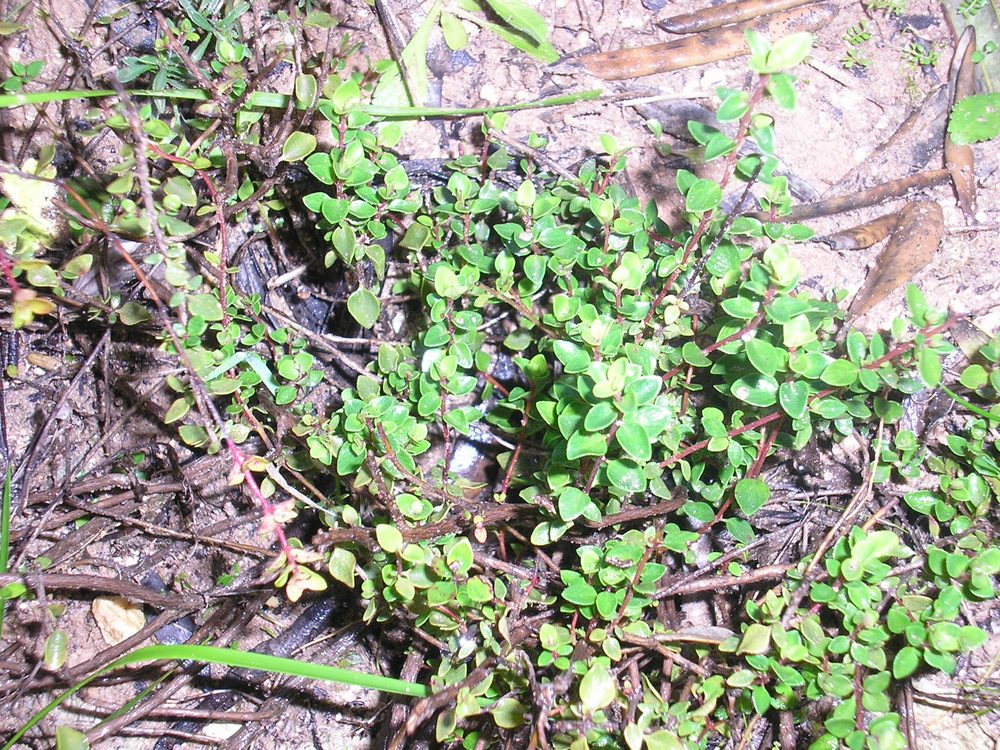
General Description
It is used as a culinary herb, as a flavor in a digestif called ‘herbero’, and to soften and flavor preserved olives.
Family Context
The Lamiaceae family is large and widely distributed. Notable medicinal members include:
- Basil — 86 documented uses
- Rosemary — 60 documented uses
- Agbo — 54 documented uses
- Sage — 49 documented uses
Geographic Distribution
Thyme has been recorded in Spain, and Croatia.
Active Compounds
Phytochemical research has identified 1 compound in this species: apigenin-7,4’-dimethyl-ether.
Research Status
Although this species has documented phytochemical constituents, its ethnobotanical and clinical documentation remains incomplete. The limited documentation available for this species represents an opportunity for ethnobotanical research.