Botanical Overview
Ternstroemia gymnanthera belongs to the Theaceae family. Limited but reliable traditional records indicate this plant has recognized medicinal applications in one or more healing traditions. This species belongs to the Theaceae family, a group of flowering plants.
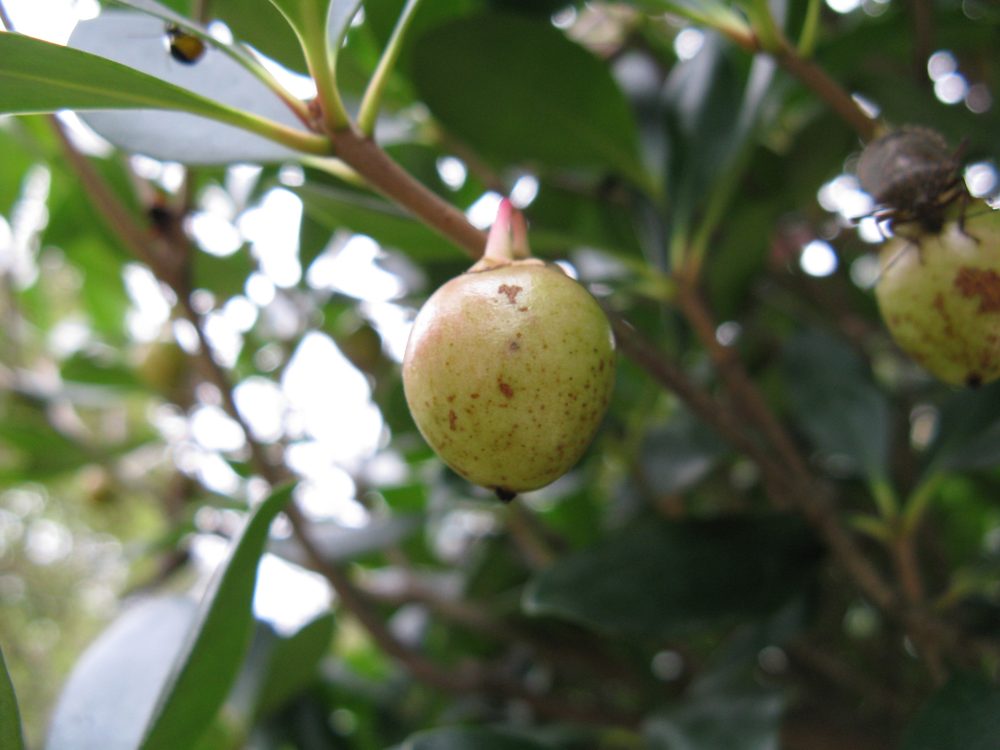
General Description
The plant is 3. 5 metres (11 ft) tall and blooms from June to July.
Family Context
The Theaceae family is widely distributed. Notable medicinal members include:
- Tea — 40 documented uses
- Camellia — 13 documented uses
- Eurya japonica — 5 documented uses
- Eurya acuminata — 2 documented uses
Geographic Distribution
Ternstroemia gymnanthera has been recorded in 10 countries and territories worldwide, including China, Hong Kong, Indonesia, India, Japan, and others.
Traditional Uses
Ternstroemia gymnanthera has been traditionally used for digestive health.
Digestive health.
- Dysentery
For digestive complaints, the herb is typically prepared as a tea or decoction taken before meals. The bitter compounds stimulate digestive secretions and improve nutrient absorption. Some traditions use the powdered root or leaves in small doses as a stomachic tonic.
Active Compounds
Phytochemical research has identified 2 compounds in this species: betulinic-acid, oleanolic-acid.