Botanical Overview
Beleric Myrobalan (Terminalia bellirica) belongs to the Combretaceae family. While not among the most extensively documented medicinal plants, this species has recorded uses that warrant attention from researchers and practitioners. The combretum family (Combretaceae) includes trees, shrubs, and climbers with simple, opposite or alternate leaves and small flowers with four or five petals. The fruits are often winged or ridged. Many species contain tannins and have astringent, antimicrobial properties.
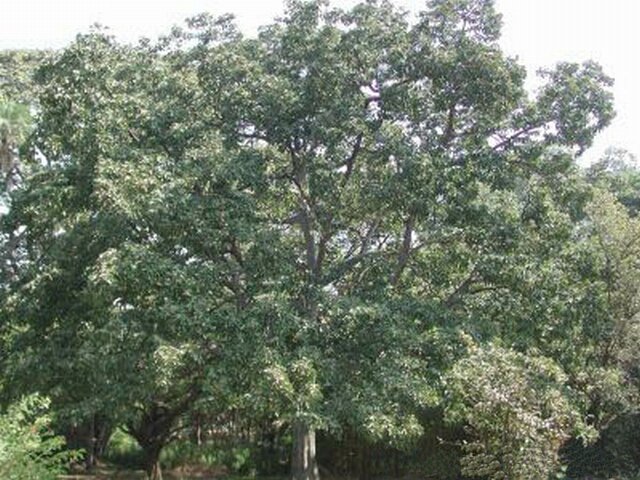
General Description
It is common on the plains and lower hills in South and Southeast Asia, where it is also grown as an avenue tree. The basionym is Myrobalanus bellirica Gaertn. (Fruct. Sem. Pl. 2: 90, t. 97. 1791). William Roxburgh transferred M. bellirica to Terminalia as “T. bellerica (Gaertn. ) Roxb. “. This spelling error is now widely used, causing confusion. The correct name is Terminalia bellirica (Gaertn. ) Roxb.
Family Context
The Combretaceae family is widely distributed. Notable medicinal members include:
- Ink Nut — 49 documented uses
- Indian Almond — 44 documented uses
- Arjun — 27 documented uses
- Rangoon Creeper — 21 documented uses
Geographic Distribution
Beleric Myrobalan has been recorded in 10 countries and territories worldwide, including Bangladesh, China, Indonesia, India, Sri Lanka, and others.
Traditional Uses
Beleric Myrobalan has been traditionally used for nervous system disorders and fever management.
Nervous system disorders.
- Spasm
- Narcotic
Nervous system support involves taking the herb as a warm tea, often in the evening or before bed. The calming compounds interact with neurotransmitter systems to promote relaxation and restful sleep.
Fever management.
- Fever
Febrifuge preparations are typically administered as hot teas to induce perspiration, which helps the body regulate temperature. The patient is kept warm and encouraged to rest while the herb promotes sweating.
Active Compounds
Phytochemical research has identified 30 compounds in this species, including a diverse array of phytochemical classes (see the Complete Chemical Inventory below for the full list).
The identified compounds include the following categories:
- Flavonoid: antioxidant compounds that protect cells from oxidative damage
- Sterol: cholesterol-like compounds with anti-inflammatory properties
- Tannin: astringent compounds that tighten tissues and resist infection