Botanical Overview
Terminalia alata belongs to the Combretaceae family. While not among the most extensively documented medicinal plants, this species has recorded uses that warrant attention from researchers and practitioners. The combretum family (Combretaceae) includes trees, shrubs, and climbers with simple, opposite or alternate leaves and small flowers with four or five petals. The fruits are often winged or ridged. Many species contain tannins and have astringent, antimicrobial properties.
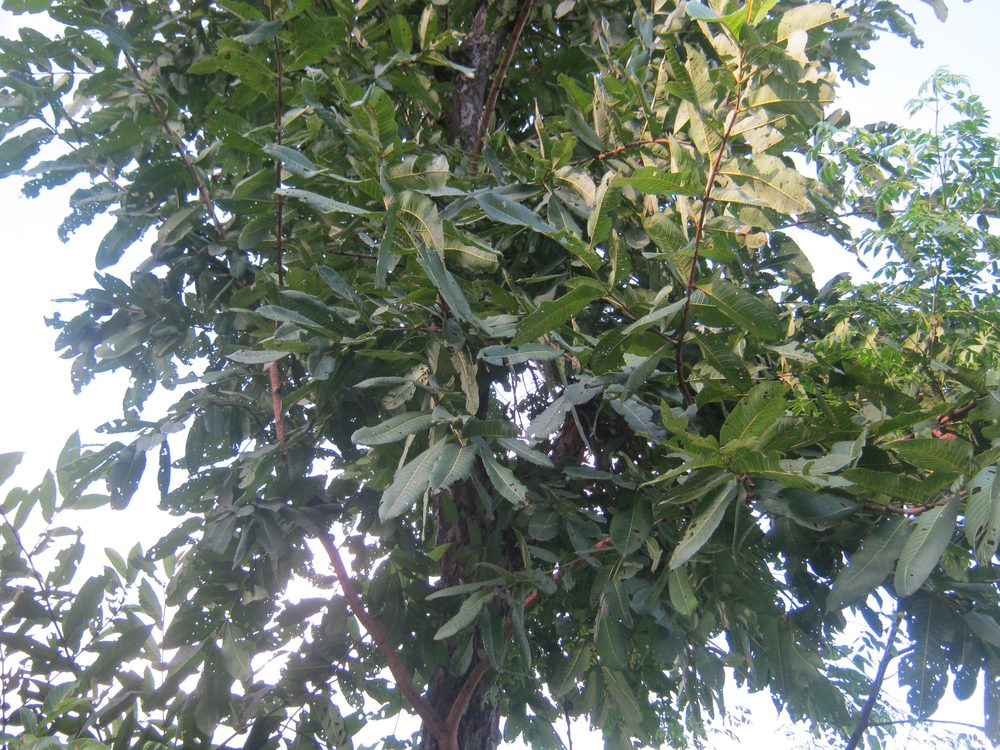
General Description
It is a prominent part of both dry and moist deciduous forests in southern India up to 1,000 metres.
Family Context
The Combretaceae family is widely distributed. Notable medicinal members include:
- Ink Nut — 49 documented uses
- Indian Almond — 44 documented uses
- Arjun — 27 documented uses
- Rangoon Creeper — 21 documented uses
Geographic Distribution
Terminalia alata has been recorded in 10 countries and territories worldwide, including Bhutan, China, India, Cambodia, Laos, and others.
Traditional Uses
Terminalia alata has been traditionally used for digestive health, skin and wound care, and urinary tract health.
Digestive health.
- Diarrhea
For digestive complaints, the herb is typically prepared as a tea or decoction taken before meals. The bitter compounds stimulate digestive secretions and improve nutrient absorption. Some traditions use the powdered root or leaves in small doses as a stomachic tonic.
Skin and wound care.
- Sore
For skin conditions, the fresh or dried plant is applied topically as a poultice, wash, or compress. A strong decoction can be used to clean wounds and sores. The antimicrobial properties help prevent infection while promoting tissue repair.
Urinary tract health.
- Diuretic
Urinary tract applications typically involve drinking the herb as a mild tea, which increases urine production and helps flush the urinary system. It may be combined with other demulcent herbs to soothe irritated tissues.
Active Compounds
Phytochemical research has identified 1 compound in this species: betulinic-acid.