Botanical Overview
Sumatran Yew (Taxus sumatrana) is a species in the Taxaceae family. This species belongs to the Taxaceae family, a group of flowering plants. Although comprehensive ethnobotanical records are limited, phytochemical studies have identified 8 compounds in this species, suggesting potential medicinal value.
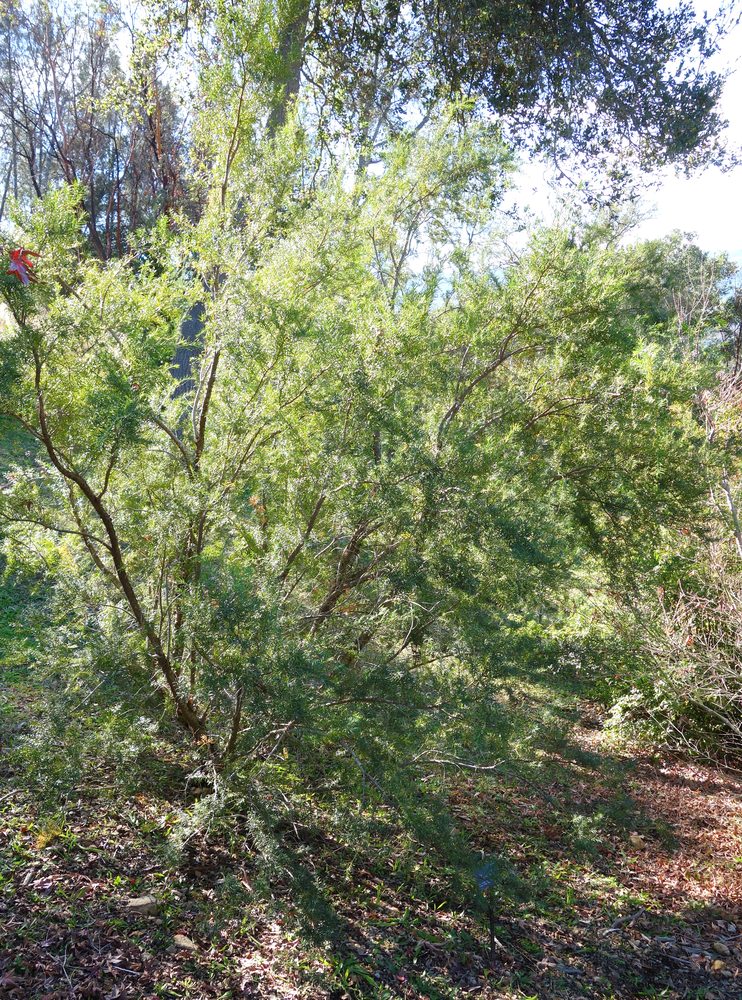
General Description
Its taxonomic namesake is indicative of the species being found in Indonesia (specifically, the island of Sumatra); however, T. sumatrana is also found in a number of South and Southeast Asian countries, including parts of Afghanistan, Bangladesh, Bhutan, China, India, Indochina, Nepal, Pakistan, the Philippines, Taiwan, and Tibet. Given this broad geographical range, it is also known as the Taiwan yew, the Chinese yew, as well as the East Himalayan yew. Plants of the World Online recognizes T. sumatrana as a synonym of Taxus wallichiana. T. sumatrana is typically found at elevations ranging from 400 to 3,100 m and mainly in subtropical forests or on highland ridges. It is a government-protected species in Taroko National Park in Taiwan.
Family Context
The Taxaceae family is widely distributed. Notable medicinal members include:
- Common Yew — 29 documented uses
- Yew — 4 documented uses
- Yew — 2 documented uses
Geographic Distribution
Sumatran Yew has been recorded in 9 countries and territories worldwide, including Indonesia, India, Malaysia, Nepal, Philippines, and others.
Active Compounds
Phytochemical research has identified 8 compounds in this species, including a diverse array of phytochemical classes (see the Complete Chemical Inventory below for the full list).
The identified compounds include the following categories:
- Alkaloid: nitrogenous compounds with diverse pharmacological activities
Research Status
Although this species has documented phytochemical constituents, its ethnobotanical and clinical documentation remains incomplete. Further ethnobotanical and pharmacological research may reveal additional therapeutic applications for this species.