Botanical Overview
Mongoloid Dandelion (Taraxacum mongolicum) is a flowering plant in the Asteraceae family. The traditional uses of this species reflect its genuine medicinal value, validated by generations of practical experience. The daisy family (Asteraceae) is one of the largest plant families, characterized by composite flower heads (capitula) that contain many small florets surrounded by bracts. Plants range from tiny alpine herbs to large tropical trees. The family includes many medicinally important species with bitter compounds and essential oils.
General Description
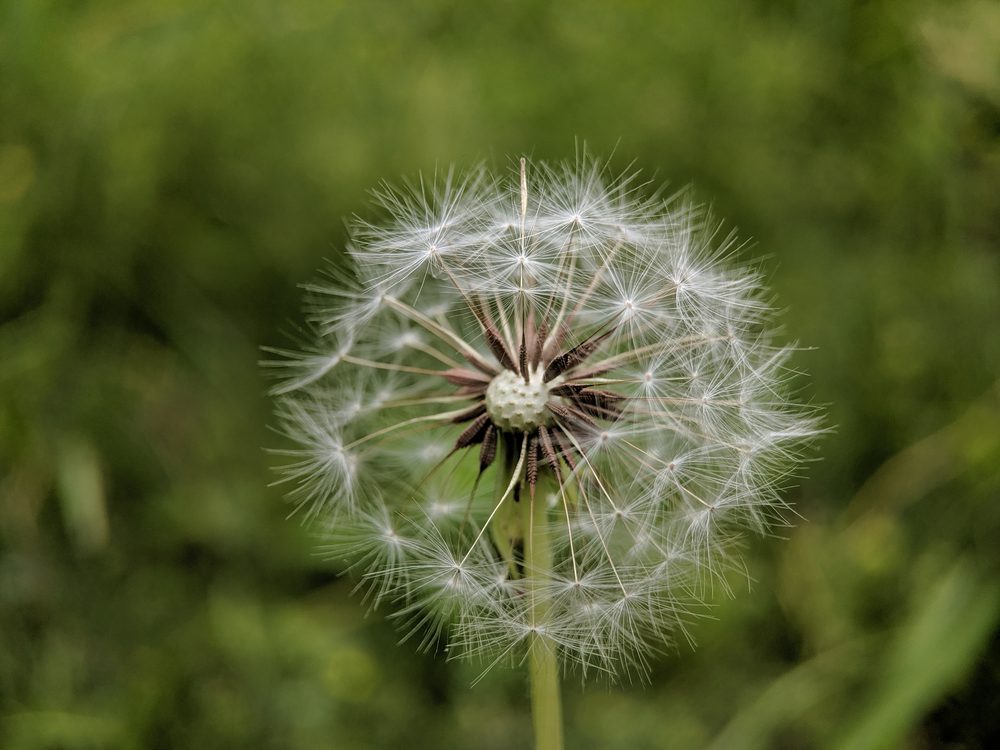
It is a perennial herb native to temperate regions of East Asia, including China, Mongolia, Korea, Japan, Taiwan, and parts of eastern Russia. The plant typically grows between 8 and 25 cm tall, producing a basal rosette of lobed green leaves and solitary yellow flower heads on hollow, hairy stems. It is commonly found in disturbed habitats such as grasslands, roadsides, and cultivated areas, and reproduces primarily through agamospermy. The species has been traditionally used in East Asian medicine, where it has been applied in the treatment of inflammatory and infectious conditions. Modern studies have investigated its potential pharmacological properties, including antimicrobial, anti-inflammatory, and cytotoxic effects. It is also being researched as a possible phytogenic feed additive in livestock, particularly poultry, due to its influence on gut health and immune response. The plant contains a variety of bioactive compounds such as flavonoids, phenolic acids, and polysaccharides. Taraxacum mongolicum has been introduced to other regions, including North America, where it has become naturalized in some areas. It was first formally described by Austrian botanist Heinrich von Handel-Mazzetti and has since been referenced under several botanical synonyms.
Family Context
The Asteraceae family is extremely large and diverse. Notable medicinal members include:
- Yarrow — 63 documented uses
- Gobo — 63 documented uses
- Mugwort — 55 documented uses
- Sunflower — 52 documented uses
Geographic Distribution
Mongoloid Dandelion has been recorded in 10 countries and territories worldwide, including China, Hong Kong, Japan, North Korea, South Korea, and others.
Traditional Uses
Mongoloid Dandelion has been traditionally used for digestive health, skin and wound care, and pain and inflammation, among other applications.
Digestive health.
- Ache(Stomach)
For digestive complaints, the herb is typically prepared as a tea or decoction taken before meals. The bitter compounds stimulate digestive secretions and improve nutrient absorption. Some traditions use the powdered root or leaves in small doses as a stomachic tonic.
Skin and wound care.
- Abscess
- Boil
- Wound
For skin conditions, the fresh or dried plant is applied topically as a poultice, wash, or compress. A strong decoction can be used to clean wounds and sores. The antimicrobial properties help prevent infection while promoting tissue repair.
Pain and inflammation.
- Inflammation
- Swelling
For pain and inflammation, preparations are applied both topically as compresses and taken internally. A warm poultice draws blood to the area and promotes healing, while internal preparations address systemic inflammation.
Active Compounds
Phytochemical research has identified 15 compounds in this species, including a diverse array of phytochemical classes (see the Complete Chemical Inventory below for the full list).
The identified compounds include the following categories:
- Sterol: cholesterol-like compounds with anti-inflammatory properties
- Alkaloid: nitrogenous compounds with diverse pharmacological activities