Botanical Overview
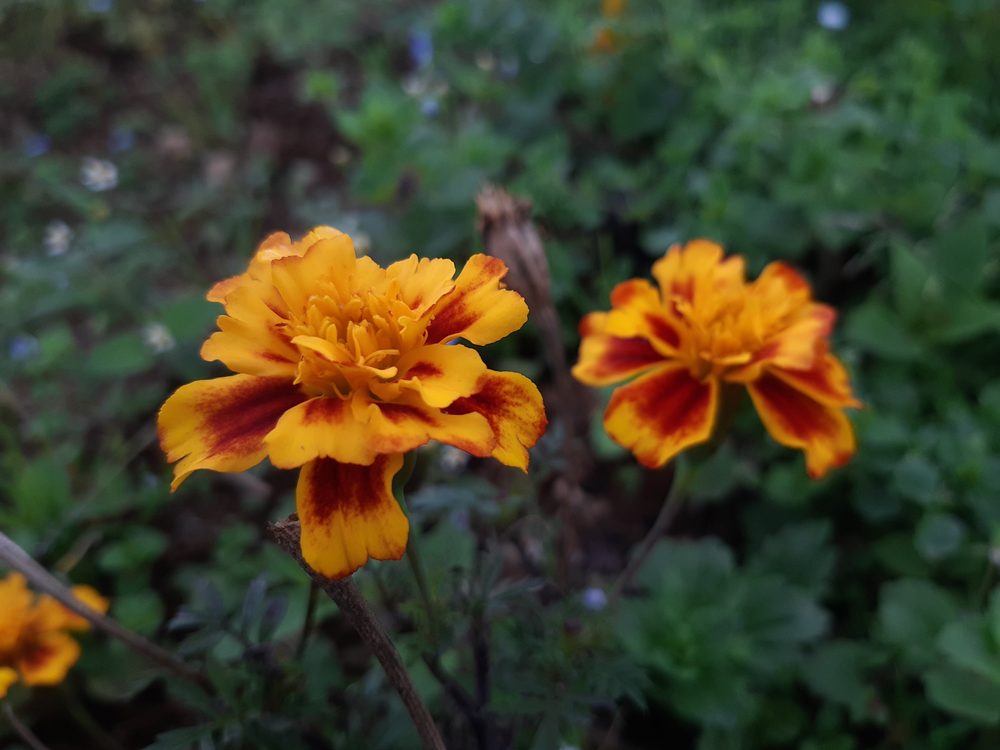
Marigold (Tagetes florida) belongs to the Asteraceae family. Limited but reliable traditional records indicate this plant has recognized medicinal applications in one or more healing traditions. The daisy family (Asteraceae) is one of the largest plant families, characterized by composite flower heads (capitula) that contain many small florets surrounded by bracts. Plants range from tiny alpine herbs to large tropical trees. The family includes many medicinally important species with bitter compounds and essential oils.
General Description
It is used as a medicinal plant and as a culinary herb. The leaves have a tarragon-like scent, with hints of anise, and it has entered the nursery trade in North America as a tarragon substitute. Common names include sweetscented marigold, Mexican marigold, Mexican mint marigold, Mexican tarragon, sweet mace, Texas tarragon, pericón, yerbaniz, and hierbanís.
Family Context
The Asteraceae family is extremely large and diverse. Notable medicinal members include:
- Yarrow — 63 documented uses
- Gobo — 63 documented uses
- Mugwort — 55 documented uses
- Sunflower — 52 documented uses
Traditional Uses
Marigold has been traditionally used for digestive health and fever management.
Digestive health.
- Ache(Stomach)
- Colic
For digestive complaints, the herb is typically prepared as a tea or decoction taken before meals. The bitter compounds stimulate digestive secretions and improve nutrient absorption. Some traditions use the powdered root or leaves in small doses as a stomachic tonic.
Fever management.
- Malaria
Febrifuge preparations are typically administered as hot teas to induce perspiration, which helps the body regulate temperature. The patient is kept warm and encouraged to rest while the herb promotes sweating.
Active Compounds
Phytochemical research has identified 1 compound in this species: estragolel.