Botanical Overview
Strobilanthes cusia belongs to the Acanthaceae family. While not among the most extensively documented medicinal plants, this species has recorded uses that warrant attention from researchers and practitioners. The acanthus family (Acanthaceae) includes herbs and shrubs with opposite leaves and showy, two-lipped flowers with prominent bracts. The fruits are explosive capsules that eject seeds when mature. Many species contain alkaloids and have traditional medicinal uses.
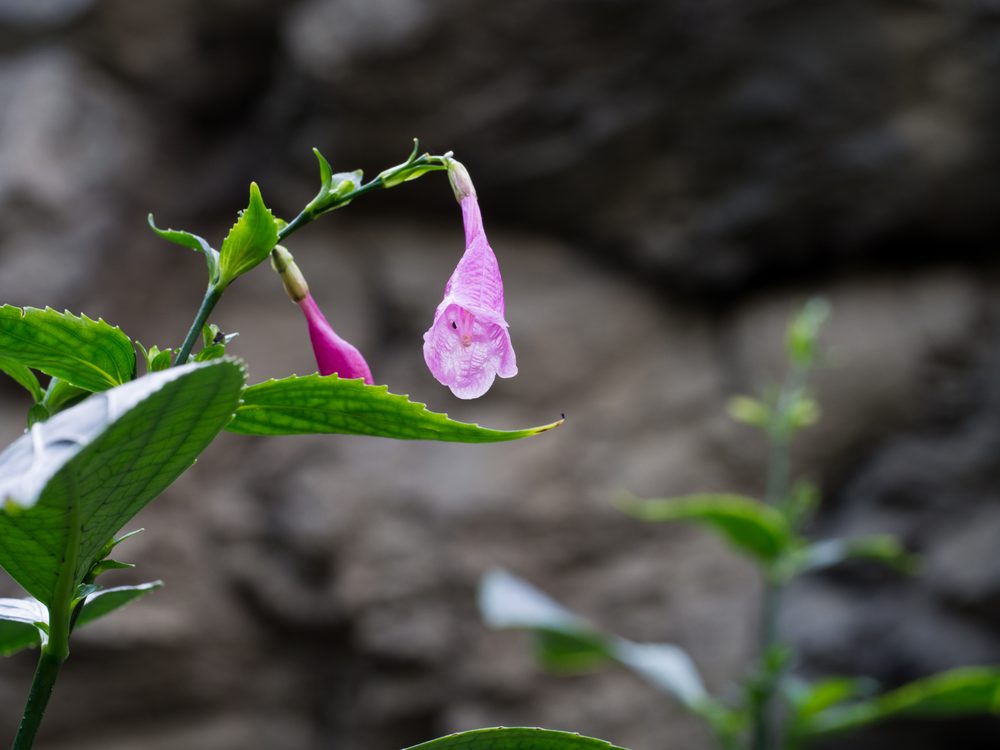
General Description
Native to South Asia, China, and Indochina, it was historically cultivated on a large scale in India and China as a source of indigo dye, which is also known as Assam indigo. In addition to being used for dye, it is also used in the traditional Chinese herbal medicine “Qingdai”. Other names for this dicot include Pink strobilanthes and Strobilanthes flaccidifolius, where flaccidifolius is Latin for “drooping leaves”.
Family Context
The Acanthaceae family is widely distributed. Notable medicinal members include:
- Creat — 35 documented uses
- Gandarussa — 33 documented uses
- Justicia procumbens — 28 documented uses
- Angel Of Death — 19 documented uses
Geographic Distribution
Strobilanthes cusia has been recorded in China, and Taiwan.
Traditional Uses
Strobilanthes cusia has been traditionally used for urinary tract health.
Urinary tract health.
- Diuretic
Urinary tract applications typically involve drinking the herb as a mild tea, which increases urine production and helps flush the urinary system. It may be combined with other demulcent herbs to soothe irritated tissues.
Active Compounds
Phytochemical research has identified 1 compound in this species: betulin.