Botanical Overview
Ca-A-E (Stevia rebaudiana) belongs to the Asteraceae family. While not among the most extensively documented medicinal plants, this species has recorded uses that warrant attention from researchers and practitioners. The daisy family (Asteraceae) is one of the largest plant families, characterized by composite flower heads (capitula) that contain many small florets surrounded by bracts. Plants range from tiny alpine herbs to large tropical trees. The family includes many medicinally important species with bitter compounds and essential oils.
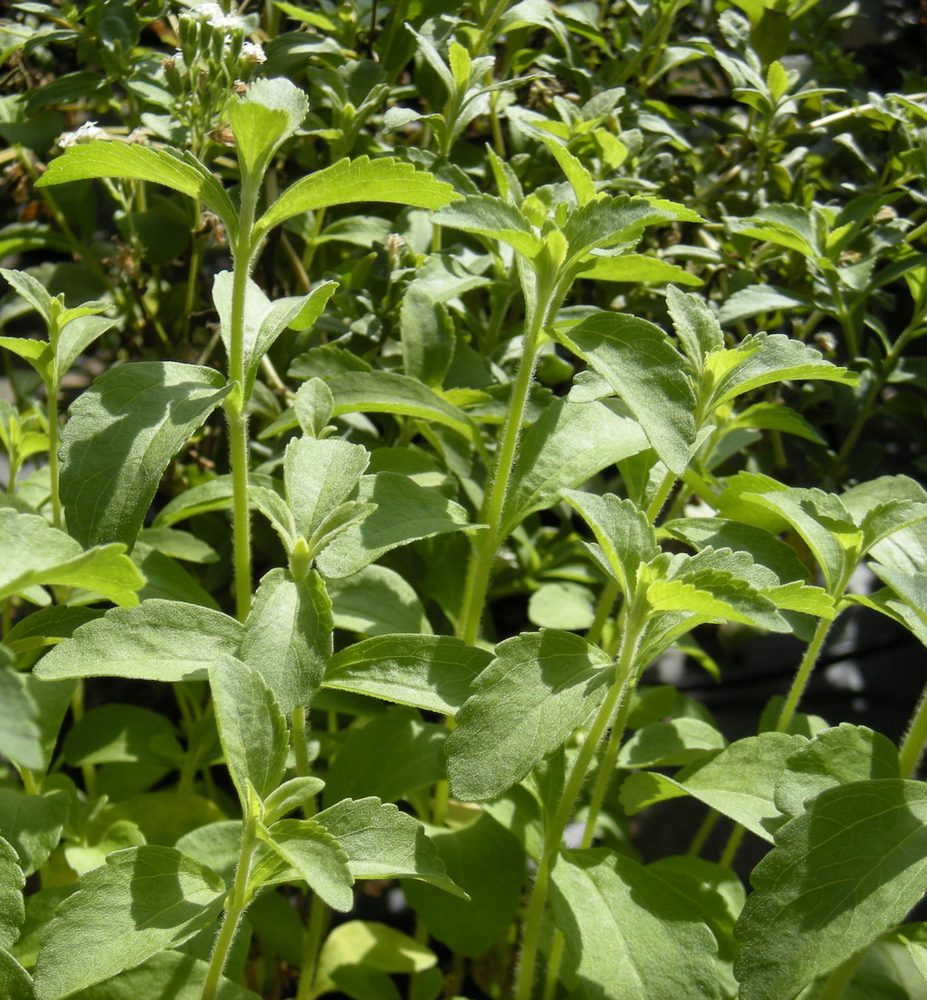
General Description
It is commonly known as candyleaf, sweetleaf or sugarleaf. It is a small seasonal plant which grows to a height of 30–60 centimetres (1–2 feet). It has elongated leaves that grow along the stems and are lined up against each other. The flowers are typically trimmed to improve the taste of the leaves. Stevia is a tender perennial native to parts of Brazil and Paraguay having humid, wet environments. Stevia is widely grown for its leaves, from which extracts can be manufactured as sweetener products known generically as stevia and sold under various trade names. The chemical compounds that produce its sweetness are various steviol glycosides (mainly stevioside and rebaudioside), which have 200–300 times the sweetness of sugar. Stevia leaves contain 9. 1% stevioside and 3. 8% rebaudioside A.
Family Context
The Asteraceae family is extremely large and diverse. Notable medicinal members include:
- Yarrow — 63 documented uses
- Gobo — 63 documented uses
- Mugwort — 55 documented uses
- Sunflower — 52 documented uses
Geographic Distribution
Ca-A-E has been recorded in 10 countries and territories worldwide, including Argentina, Brazil, China, Colombia, Cuba, and others.
Traditional Uses
Ca-A-E has been traditionally used for reproductive health.
Reproductive health.
- Contraceptive
In traditional contexts, reproductive health applications typically involve internal preparations such as teas or decoctions. The herb may be taken at specific times during the menstrual cycle.
Active Compounds
Phytochemical research has identified 30 compounds in this species, including a diverse array of phytochemical classes (see the Complete Chemical Inventory below for the full list).
The identified compounds include the following categories:
- Flavonoid: antioxidant compounds that protect cells from oxidative damage
- Alkaloid: nitrogenous compounds with diverse pharmacological activities