Botanical Overview
Imbu (Spondias tuberosa) is a species in the Anacardiaceae family. The cashew family (Anacardiaceae) includes trees and shrubs with resinous bark and leaves containing phenolic compounds such as urushiol, which can cause contact dermatitis. The flowers are small and clustered, and the fruits are often drupes with a resinous or oily seed. Many species have traditional uses for their oils and resins. Although comprehensive ethnobotanical records are limited, phytochemical studies have identified 13 compounds in this species, suggesting potential medicinal value.
General Description
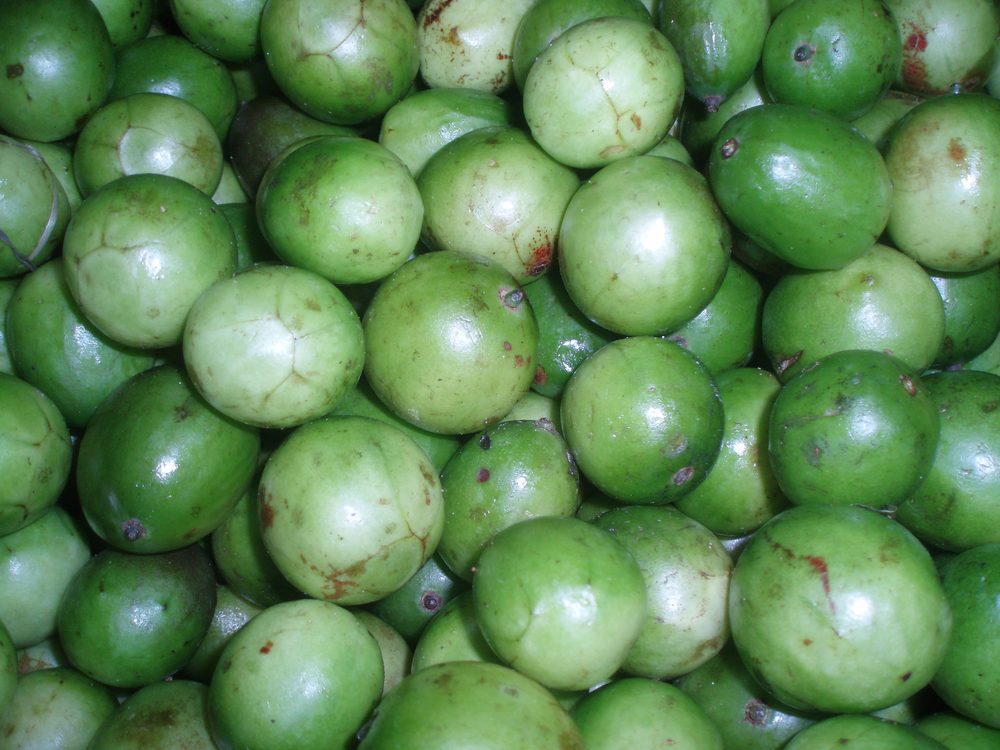
The round fruit is light yellow to red, around 2–4 cm in size, and has a leathery shell. The flesh is soft and juicy, with a sweet taste and distinct aroma. The fruit comes from a small tree, seldom higher than 6 m, with an expansive crown that can reach 10 m in diameter. The fruit of the imbu are round and can be of varying size: they can be as small as cherries or as large as lemons. The peel is smooth and green or yellow when the fruit ripen, the small firm fruits are juicy and flavorful and their succulent flesh hides a large dark pit.
Family Context
The Anacardiaceae family is primarily tropical and subtropical. Notable medicinal members include:
- Mango — 80 documented uses
- Cashew — 49 documented uses
- Mastic — 43 documented uses
- California Peppertree — 43 documented uses
Geographic Distribution
Imbu has been recorded in , and Brazil.
Active Compounds
Phytochemical research has identified 13 compounds in this species, including a diverse array of phytochemical classes (see the Complete Chemical Inventory below for the full list).
Research Status
Although this species has documented phytochemical constituents, its ethnobotanical and clinical documentation remains incomplete. Additional phytochemical investigation could identify novel bioactive compounds in this plant.