Botanical Overview
Sorbus americana belongs to the Rosaceae family. Limited but reliable traditional records indicate this plant has recognized medicinal applications in one or more healing traditions. The rose family (Rosaceae) includes trees, shrubs, and herbs with five-petaled flowers and numerous stamens. Many species produce edible fruits such as apples, pears, cherries, and berries. The family includes both ornamental roses and many species with astringent and medicinal properties.
General Description
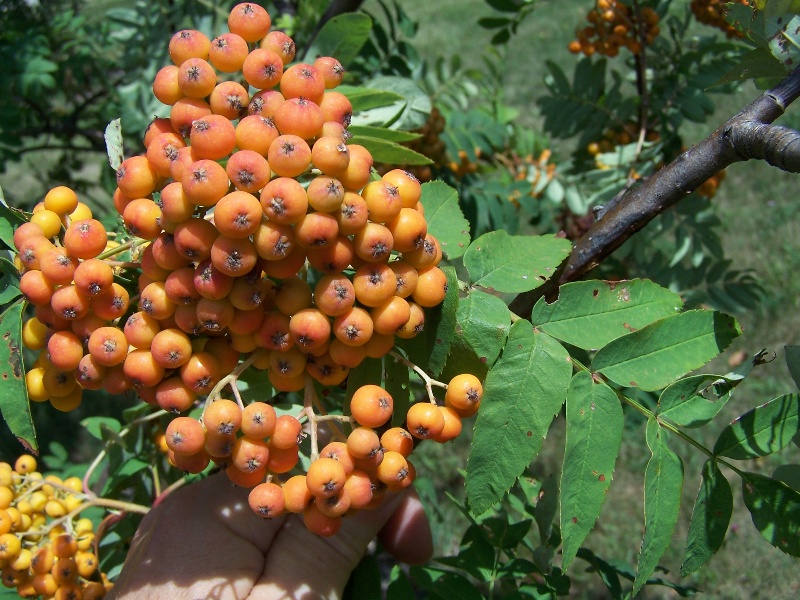
It is a deciduous perennial tree, native to eastern North America. The American mountain-ash and related species (most often the European mountain-ash, Sorbus aucuparia) are also referred to as rowan trees.
Family Context
The Rosaceae family is widely distributed in temperate regions. Notable medicinal members include:
- Peach — 51 documented uses
- Apricot — 37 documented uses
- Almond — 34 documented uses
- Greater Burnet — 29 documented uses
Traditional Uses
Sorbus americana has been traditionally used for cardiovascular health and metabolic and nutritional health.
Cardiovascular health.
- Heart
Metabolic and nutritional health.
- Depurative
Metabolic applications include consuming the plant as a food, fresh juice, or herbal infusion. Regular use supports the body’s natural metabolic processes and nutritional status.
Active Compounds
Phytochemical research has identified 1 compound in this species: betulin.