Botanical Overview
Solanum laciniatum is a species in the Solanaceae family. The nightshade family (Solanaceae) includes herbs, shrubs, and small trees with alternate leaves and star-shaped or trumpet-shaped flowers. The fruits are typically berries or capsules. Many species produce potent alkaloids including tropanes, solanines, and nicotine, making this family both medicinally valuable and potentially toxic. Phytochemical data for this species are limited at present.
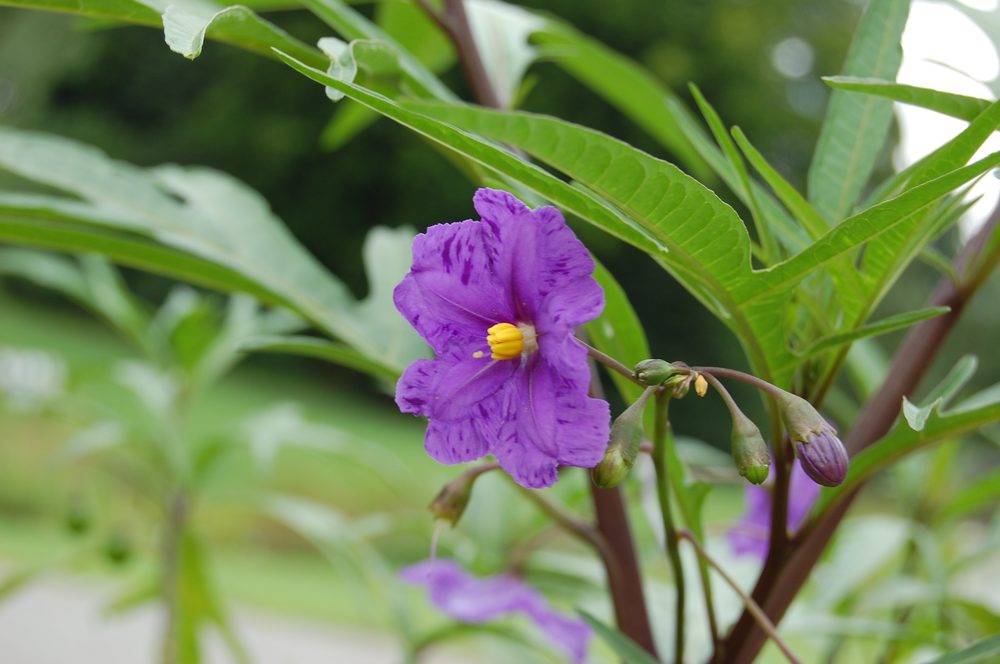
General Description
It also occurs in Western Australia and New Zealand, where some authorities consider it to be introduced. It is similar to Solanum aviculare, with which it shares the common name kangaroo apple. The common name refers to the likeness of the leaf shape to a kangaroo paw print. This plant is currently being cultivated to produce corticosteroid drugs.
Family Context
The Solanaceae family is widely distributed worldwide. Notable medicinal members include:
- Black Nightshade — 100 documented uses
- Tobacco — 80 documented uses
- Jimsonweed — 66 documented uses
- Hindu Datura — 65 documented uses
Geographic Distribution
Solanum laciniatum has been recorded in 10 countries and territories worldwide, including Australia, Germany, Spain, France, United Kingdom, and others.
Active Compounds
Phytochemical research has identified 1 compound in this species: betulinic-acid.
Research Status
Although this species has documented phytochemical constituents, its ethnobotanical and clinical documentation remains incomplete. Systematic pharmacological studies are needed to validate the traditional uses attributed to this species.