Botanical Overview
Horsenettle (Solanum carolinense) belongs to the Solanaceae family. While not among the most extensively documented medicinal plants, this species has recorded uses that warrant attention from researchers and practitioners. The nightshade family (Solanaceae) includes herbs, shrubs, and small trees with alternate leaves and star-shaped or trumpet-shaped flowers. The fruits are typically berries or capsules. Many species produce potent alkaloids including tropanes, solanines, and nicotine, making this family both medicinally valuable and potentially toxic.
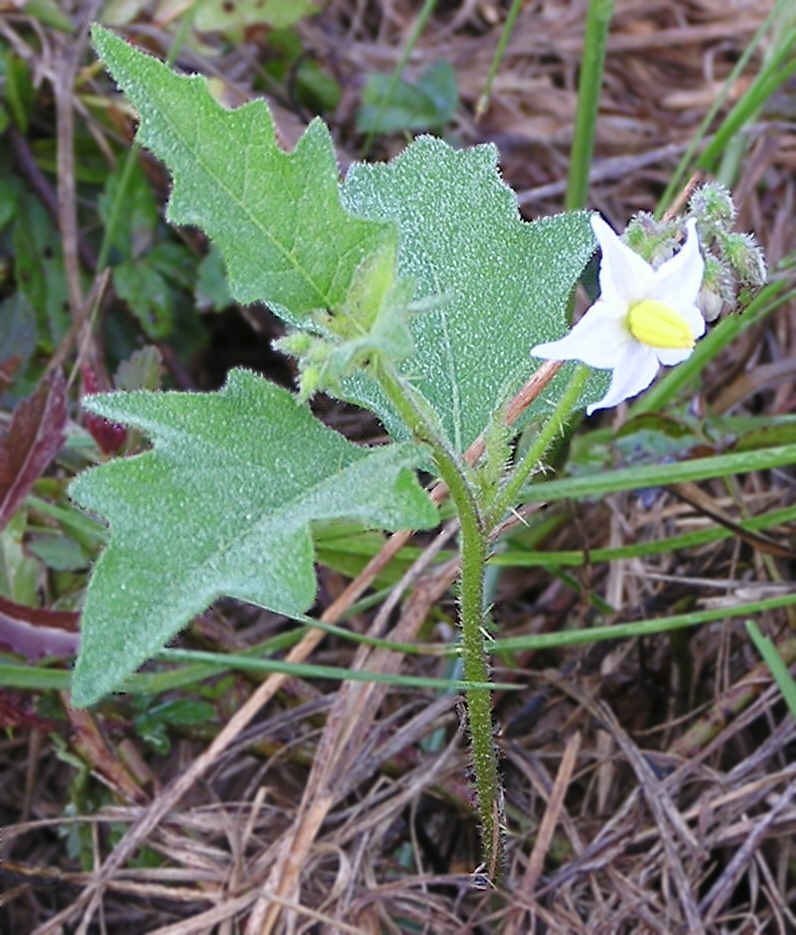
General Description
It is a perennial herbaceous plant, native to the southeastern United States, though its range has expanded throughout much of temperate North America. The plant is considered to be invasive in parts of Europe, Asia, Africa and Australia. The stem and undersides of larger leaf veins are covered with prickles. “Horsenettle” is also written “horse nettle” or “horse-nettle”, though USDA publications usually use the one-word form. Though there are other horsenettle nightshades, S. carolinense is the species most commonly called “the horsenettle”. Other common names include radical weed, sand brier or briar, bull nettle, tread-softly, Solanum mammosum (“apple of Sodom”), devil’s tomato and wild tomato.
Family Context
The Solanaceae family is widely distributed worldwide. Notable medicinal members include:
- Black Nightshade — 100 documented uses
- Tobacco — 80 documented uses
- Jimsonweed — 66 documented uses
- Hindu Datura — 65 documented uses
Geographic Distribution
Horsenettle has been recorded in 10 countries and territories worldwide, including Austria, Canada, China, Spain, Italy, and others.
Traditional Uses
Horsenettle has been traditionally used for respiratory conditions, urinary tract health, and pain and inflammation, among other applications.
Respiratory conditions.
- Bronchitis
- Asthma
Respiratory conditions are addressed through steam inhalation of the herb’s vapors or internal use as a warm tea. The hot infusion acts as an expectorant, helping to loosen phlegm and clear congestion. Some traditions combine it with honey for coughs.
Urinary tract health.
- Diuretic
Urinary tract applications typically involve drinking the herb as a mild tea, which increases urine production and helps flush the urinary system. It may be combined with other demulcent herbs to soothe irritated tissues.
Pain and inflammation.
- Anodyne
For pain and inflammation, preparations are applied both topically as compresses and taken internally. A warm poultice draws blood to the area and promotes healing, while internal preparations address systemic inflammation.
Active Compounds
Phytochemical research has identified 3 compounds in this species: solamargine, solasonine, solaurethine.
The identified compounds include the following categories:
- Alkaloid: nitrogenous compounds with diverse pharmacological activities