Botanical Overview
Senna lindheimeriana is a species in the Fabaceae family. The legume family (Fabaceae) includes trees, shrubs, and herbs that produce pods (legumes) and form nitrogen-fixing root nodules through symbiosis with bacteria. The flowers are typically pea-shaped with five petals. This large family provides food staples, timber, and numerous medicinal species. Phytochemical data for this species are limited at present.
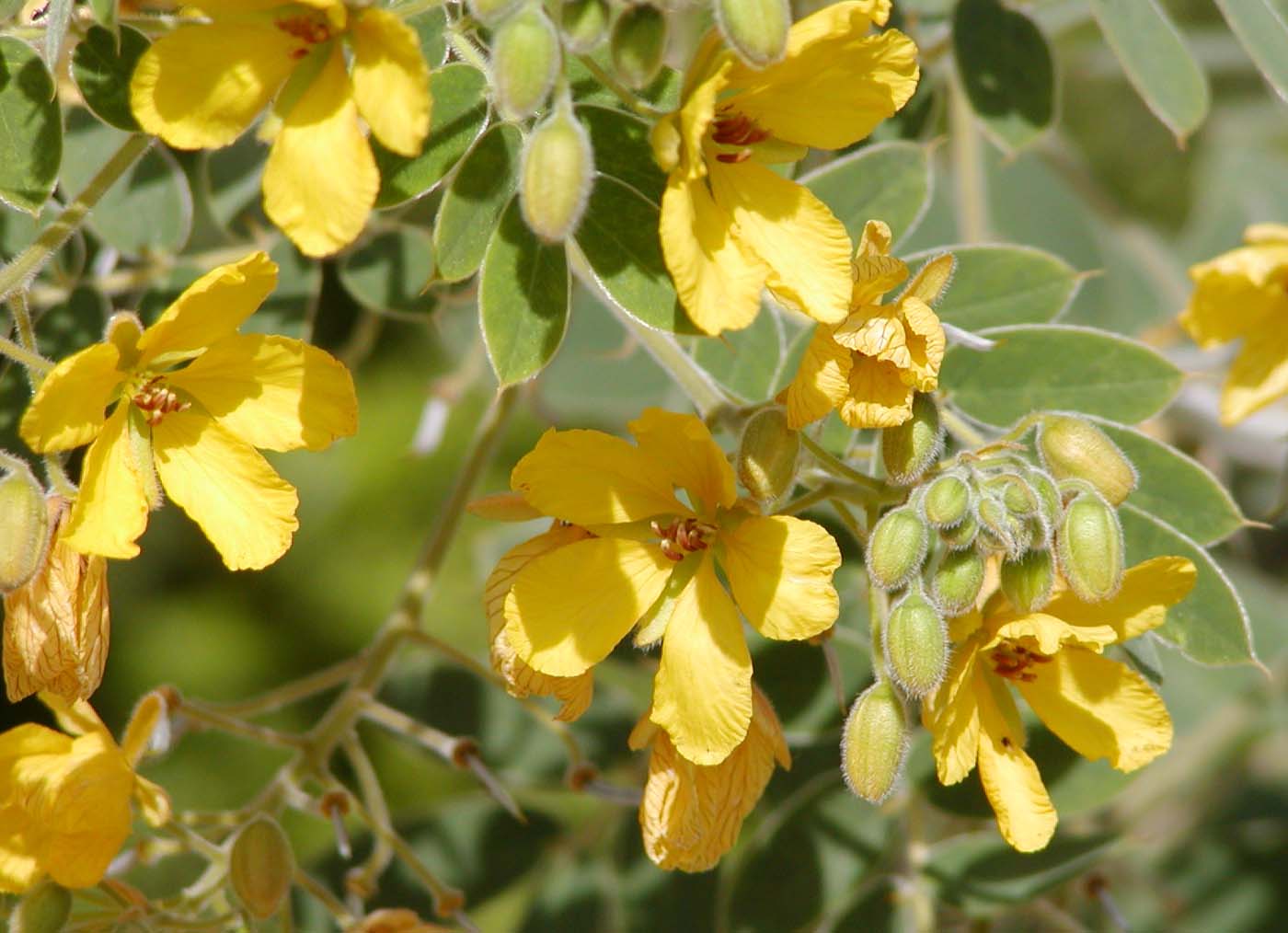
General Description
It is native to the US states of Arizona, New Mexico, and Texas, and to eastern Mexico. A perennial typically 1. 5 m (5 ft) tall, it is hardy to USDA zone 8a, and is recommended for xeriscaping and for feeding birds, butterflies and bumblebees. It is thought to be lethally toxic to livestock, but is so foul-smelling and unpalatable that only starving mammals will consume it. Senna lindheimeriana was named after German botanist Ferdinand Lindheimer.
Family Context
The Fabaceae family is large and globally distributed. Notable medicinal members include:
- Soybean — 76 documented uses
- Crab’s Eye — 73 documented uses
- Tamarind — 59 documented uses
- Common Indigo — 51 documented uses
Geographic Distribution
Senna lindheimeriana has been recorded in 6 countries and territories worldwide, including Argentina, Bahrain, Hong Kong, Mexico, Qatar, and others.
Active Compounds
Phytochemical research has identified 1 compound in this species: betulinic-acid.
Research Status
Although this species has documented phytochemical constituents, its ethnobotanical and clinical documentation remains incomplete. The limited documentation available for this species represents an opportunity for ethnobotanical research.