Botanical Overview
Night-Blooming Cereus (Selenicereus grandiflorus) belongs to the Cactaceae family. While not among the most extensively documented medicinal plants, this species has recorded uses that warrant attention from researchers and practitioners. The cactus family (Cactaceae) includes succulent plants with thick, fleshy stems modified for water storage and spines instead of leaves. The flowers are typically large, showy, and short-lived with numerous petals and stamens. Many species produce alkaloids and have traditional medicinal uses.
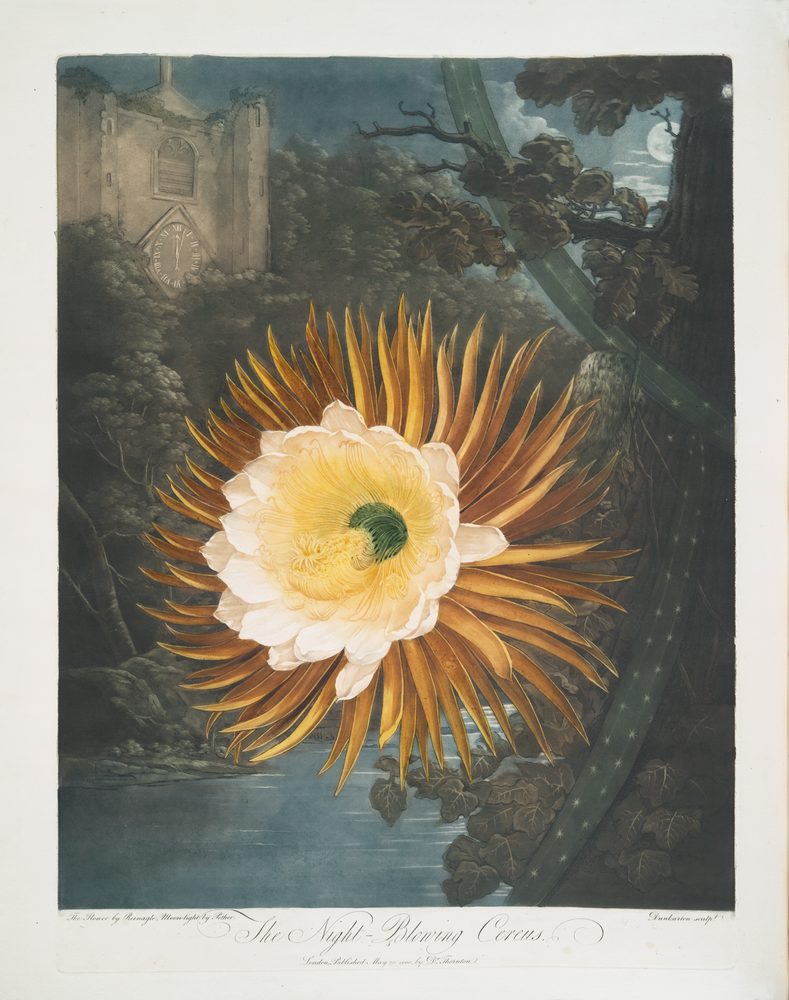
General Description
The species is commonly referred to as queen of the night, night-blooming cereus (though these two terms are also used for other species), large-flowered cactus, sweet-scented cactus or vanilla cactus. The true species is extremely rare in cultivation. Most of the plants under this name belong to other species or hybrids. It is often confused with the genus Epiphyllum.
Family Context
The Cactaceae family is widely distributed. Notable medicinal members include:
- Peyote — 19 documented uses
- Indian Fig — 19 documented uses
- Night-Blooming Cereus — 9 documented uses
- Night-Blooming Cereus — 3 documented uses
Geographic Distribution
Night-Blooming Cereus has been recorded in 10 countries and territories worldwide, including Cuba, Guatemala, Honduras, Jamaica, Cayman Islands, and others.
Traditional Uses
Night-Blooming Cereus has been traditionally used for pain and inflammation.
Pain and inflammation.
- Rheumatism
For pain and inflammation, preparations are applied both topically as compresses and taken internally. A warm poultice draws blood to the area and promotes healing, while internal preparations address systemic inflammation.
Active Compounds
Phytochemical research has identified 12 compounds in this species, including a diverse array of phytochemical classes (see the Complete Chemical Inventory below for the full list).
The identified compounds include the following categories:
- Flavonoid: antioxidant compounds that protect cells from oxidative damage
- Alkaloid: nitrogenous compounds with diverse pharmacological activities