Botanical Overview
Chayote (Sechium edule) belongs to the Cucurbitaceae family. While not among the most extensively documented medicinal plants, this species has recorded uses that warrant attention from researchers and practitioners. The gourd family (Cucurbitaceae) includes climbing or trailing vines with tendrils, large alternate leaves, and showy yellow or white flowers that are typically unisexual. The fruits are fleshy gourds, melons, or squashes with many seeds. Many species produce cucurbitacins, bitter compounds with purgative and anti-inflammatory activity.
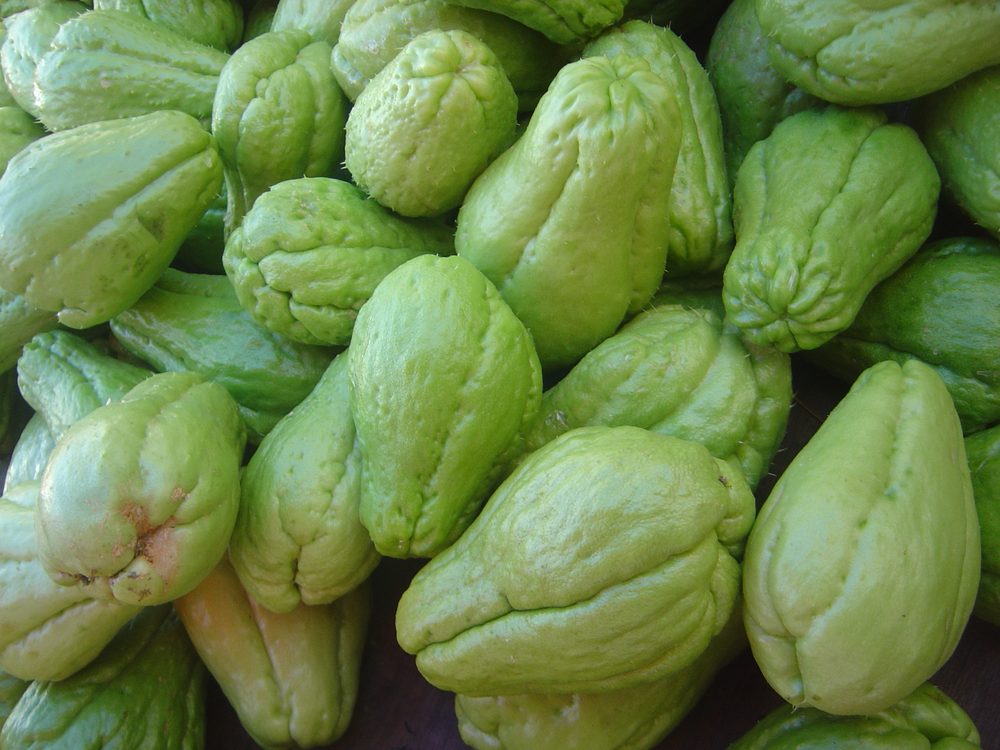
General Description
This fruit was first cultivated in Mesoamerica between southern Mexico and Honduras, with the most genetic diversity available in both Mexico and Guatemala. It is one among dozens of foods introduced to the Old World during the Columbian Exchange. At that time, the plant spread to other parts of the Americas, ultimately causing it to be integrated into the cuisine of many Latin American nations.
Family Context
The Cucurbitaceae family is widely distributed in tropical and subtropical regions. Notable medicinal members include:
- Bitter Melon — 88 documented uses
- Luffa — 41 documented uses
- Calabash Gourd — 38 documented uses
- Chinese Cucumber — 31 documented uses
Geographic Distribution
Chayote has been recorded in 10 countries and territories worldwide, including Brazil, Colombia, Costa Rica, Japan, Mexico, and others.
Traditional Uses
Chayote has been traditionally used for respiratory conditions, urinary tract health, and cardiovascular health.
Respiratory conditions.
- Bronchitis
- Catarrh
Respiratory conditions are addressed through steam inhalation of the herb’s vapors or internal use as a warm tea. The hot infusion acts as an expectorant, helping to loosen phlegm and clear congestion. Some traditions combine it with honey for coughs.
Urinary tract health.
- Diuretic
Urinary tract applications typically involve drinking the herb as a mild tea, which increases urine production and helps flush the urinary system. It may be combined with other demulcent herbs to soothe irritated tissues.
Cardiovascular health.
- Hypertension
Active Compounds
Phytochemical research has identified 30 compounds in this species, including a diverse array of phytochemical classes (see the Complete Chemical Inventory below for the full list).
The identified compounds include the following categories:
- Alkaloid: nitrogenous compounds with diverse pharmacological activities