Botanical Overview
Scirpus fluviatilis is a species in the Cyperaceae family. This species belongs to the Cyperaceae family, a group of flowering plants. Phytochemical data for this species are limited at present.
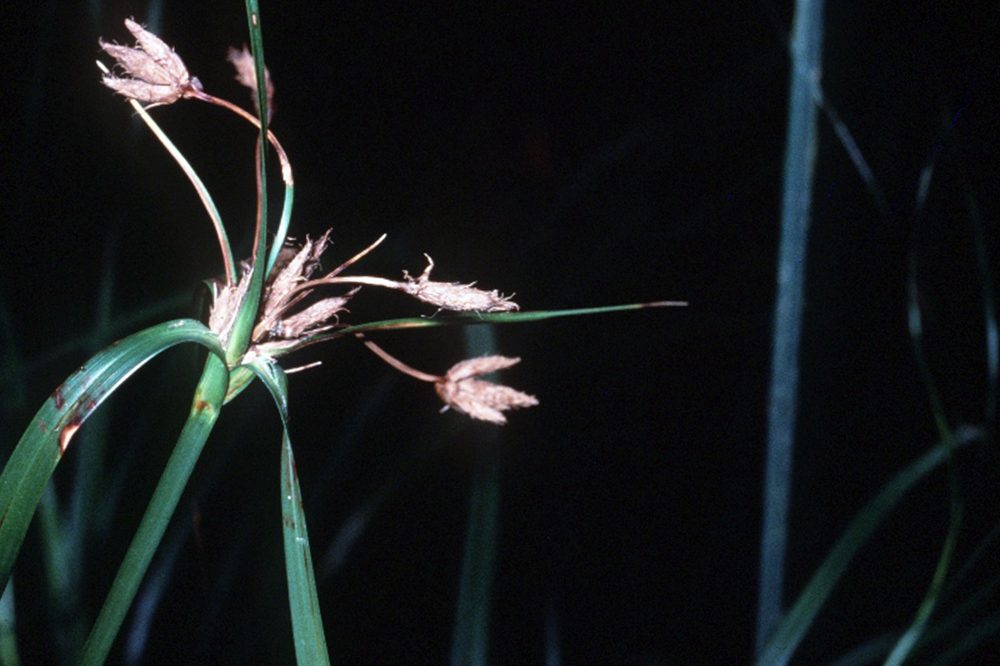
General Description
Its range includes Australia, New Zealand, New Caledonia, Canada, the United States, and northeastern Mexico. B. fluviatilis and its fruits are important as food sources for waterfowl such as geese, ducks, bitterns, and swans. It also provides cover and nesting sites for these and other species of birds, as well as small mammals. Like other Bolboschoenus species, B. fluviatilis has strong tubers and rhizomes which help to stabilize intertidal habitats by preventing erosion.
Family Context
The Cyperaceae family is widely distributed. Notable medicinal members include:
- Nutsedge — 63 documented uses
- Cyperus articulatus — 5 documented uses
- Scirpus tuberosus — 5 documented uses
- Water chestnut — 2 documented uses
Geographic Distribution
Scirpus fluviatilis has been recorded in 9 countries and territories worldwide, including Australia, Canada, China, Japan, South Korea, and others.
Active Compounds
Phytochemical research has identified 2 compounds in this species: betulin, betulinic-acid.
Research Status
Although this species has documented phytochemical constituents, its ethnobotanical and clinical documentation remains incomplete. Additional phytochemical investigation could identify novel bioactive compounds in this plant.