Botanical Overview
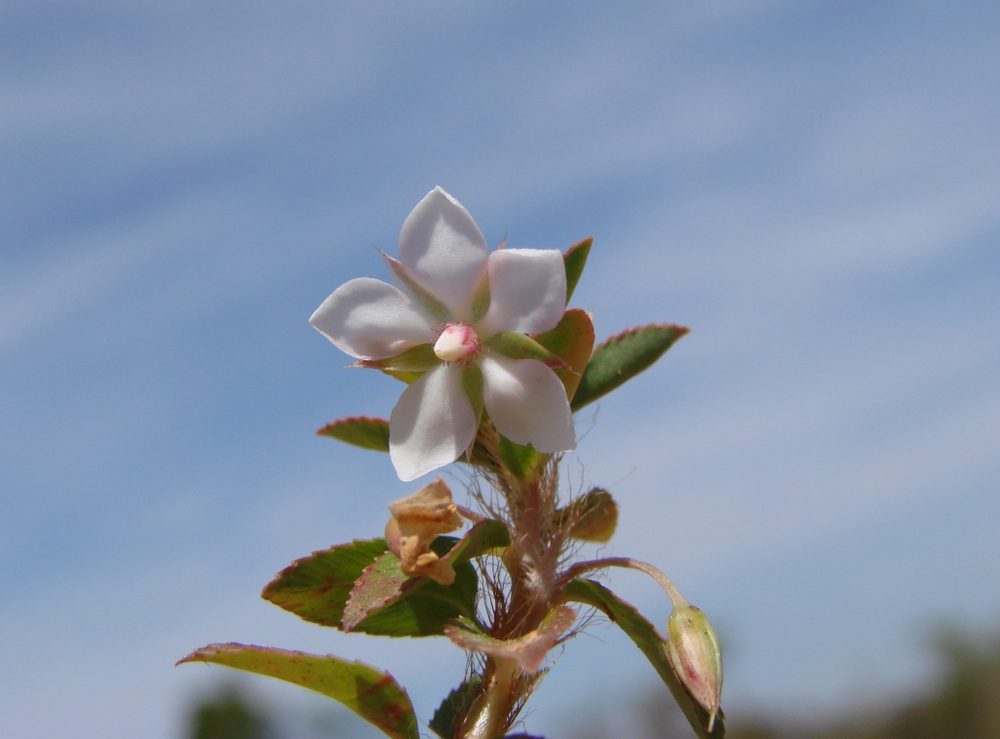
Yerba de san martin (Sauvagesia erecta) belongs to the Ochnaceae family. Limited but reliable traditional records indicate this plant has recognized medicinal applications in one or more healing traditions. This species belongs to the Ochnaceae family, a group of flowering plants.
Geographic Distribution
Yerba de san martin has been recorded in 10 countries and territories worldwide, including Brazil, Congo (DRC), Colombia, Costa Rica, Ecuador, and others.
Traditional Uses
Yerba de san martin has been traditionally used for immune system support.
Immune system support.
- Tumor
Immune support involves taking the herb as a decoction or tincture over extended periods. The active compounds stimulate immune cell activity and provide antimicrobial protection.
Active Compounds
Phytochemical research has identified 10 compounds in this species, including a diverse array of phytochemical classes (see the Complete Chemical Inventory below for the full list).
The identified compounds include the following categories:
- Flavonoid: antioxidant compounds that protect cells from oxidative damage
- Phenolic: antioxidant compounds that neutralize free radicals
- Tannin: astringent compounds that tighten tissues and resist infection