Botanical Overview
Simpson’s elderberry (Sambucus simpsonii) belongs to the Caprifoliaceae family. Limited but reliable traditional records indicate this plant has recognized medicinal applications in one or more healing traditions. This species belongs to the Caprifoliaceae family, a group of flowering plants.
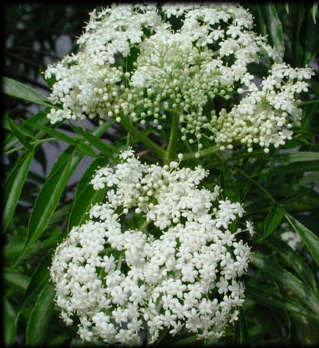
Family Context
The Caprifoliaceae family is widely distributed. Notable medicinal members include:
- Japanese Honeysuckle — 31 documented uses
- Sambucus racemosa — 26 documented uses
- Black Haw — 12 documented uses
- Viburnum cassinoides — 2 documented uses
Traditional Uses
Simpson’s elderberry has been traditionally used for respiratory conditions.
Respiratory conditions.
- Cold
Respiratory conditions are addressed through steam inhalation of the herb’s vapors or internal use as a warm tea. The hot infusion acts as an expectorant, helping to loosen phlegm and clear congestion. Some traditions combine it with honey for coughs.
Active Compounds
Phytochemical research has identified 5 compounds in this species, including a diverse array of phytochemical classes (see the Complete Chemical Inventory below for the full list).
The identified compounds include the following categories:
- Flavonoid: antioxidant compounds that protect cells from oxidative damage