Botanical Overview
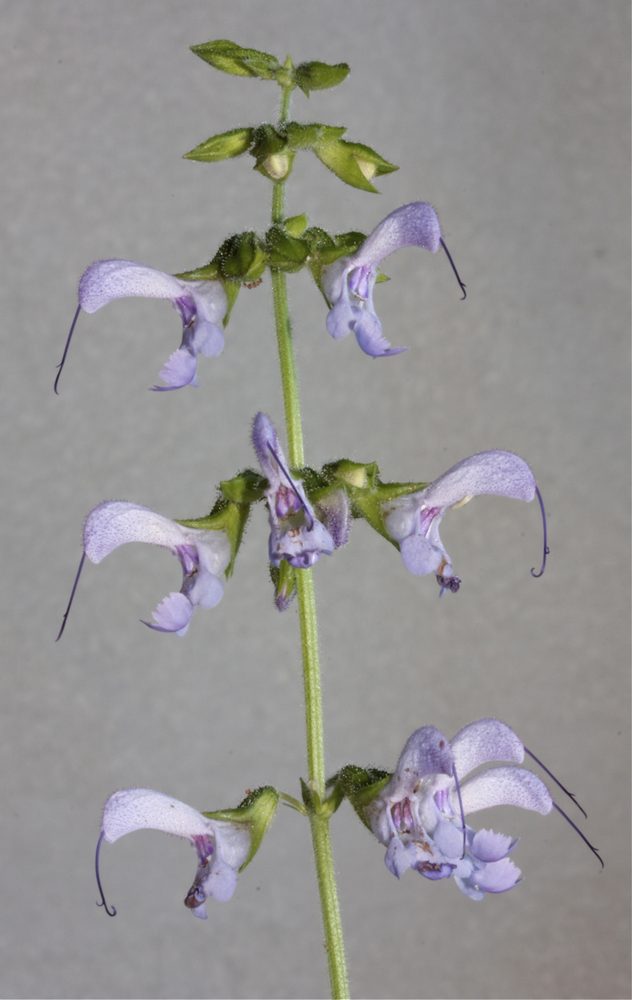
Dan-Shen (Salvia miltiorrhiza) is a flowering plant in the Lamiaceae family. This plant has earned a place in traditional medicine through its consistent therapeutic benefits, recorded across multiple cultures. The mint family (Lamiaceae) includes aromatic herbs and shrubs with square stems, opposite leaves, and two-lipped flowers. Many species produce essential oils in glandular trichomes on their leaves and stems. This family is one of the most important sources of culinary and medicinal herbs worldwide.
General Description
Native to China and Japan, it grows at 90 to 1,200 m elevation, preferring grassy places in forests, hillsides, and along stream banks. The specific epithet miltiorrhiza means “red ochre root”.
Family Context
The Lamiaceae family is large and widely distributed. Notable medicinal members include:
- Basil — 86 documented uses
- Rosemary — 60 documented uses
- Agbo — 54 documented uses
- Sage — 49 documented uses
Geographic Distribution
Dan-Shen has been recorded in 9 countries and territories worldwide, including China, Germany, Japan, South Korea, Mongolia, and others.
Traditional Uses
Dan-Shen has been traditionally used for pain and inflammation, nervous system disorders, and cardiovascular health, among other applications.
Pain and inflammation.
- Arthritis
- Inflammation
For pain and inflammation, preparations are applied both topically as compresses and taken internally. A warm poultice draws blood to the area and promotes healing, while internal preparations address systemic inflammation.
Nervous system disorders.
- Insomnia
- Sedative
- Spasm
Nervous system support involves taking the herb as a warm tea, often in the evening or before bed. The calming compounds interact with neurotransmitter systems to promote relaxation and restful sleep.
Cardiovascular health.
- Circulation
- Hemorrhage
- Hypertension
- Blood
Active Compounds
Phytochemical research has identified 27 compounds in this species, including a diverse array of phytochemical classes (see the Complete Chemical Inventory below for the full list).
The identified compounds include the following categories:
- Terpene: aromatic compounds with anti-inflammatory and antimicrobial properties