Botanical Overview
Wineberry (Rubus phoenicolasius) is a species in the Rosaceae family. The rose family (Rosaceae) includes trees, shrubs, and herbs with five-petaled flowers and numerous stamens. Many species produce edible fruits such as apples, pears, cherries, and berries. The family includes both ornamental roses and many species with astringent and medicinal properties. Although comprehensive ethnobotanical records are limited, phytochemical studies have identified 16 compounds in this species, suggesting potential medicinal value.
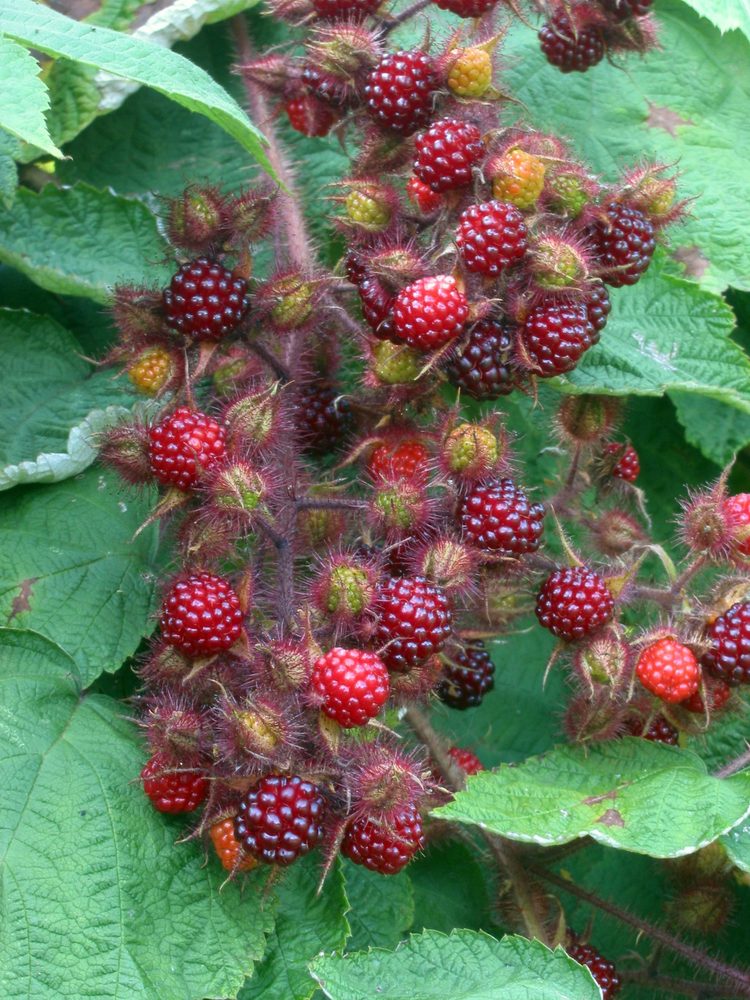
General Description
The species was introduced to Europe and North America as an ornamental plant and for its potential in breeding hybrid raspberries. It has subsequently escaped from cultivation and become naturalized in parts of Europe and North America.
Family Context
The Rosaceae family is widely distributed in temperate regions. Notable medicinal members include:
- Peach — 51 documented uses
- Apricot — 37 documented uses
- Almond — 34 documented uses
- Greater Burnet — 29 documented uses
Geographic Distribution
Wineberry has been recorded in 10 countries and territories worldwide, including Austria, Belgium, Switzerland, Germany, United Kingdom, and others.
Active Compounds
Phytochemical research has identified 16 compounds in this species, including a diverse array of phytochemical classes (see the Complete Chemical Inventory below for the full list).
The identified compounds include the following categories:
- Flavonoid: antioxidant compounds that protect cells from oxidative damage
Research Status
Although this species has documented phytochemical constituents, its ethnobotanical and clinical documentation remains incomplete. Additional phytochemical investigation could identify novel bioactive compounds in this plant.