Rosemary

Botanical Overview

Commonly known as Rosemary, this species belongs to the Lamiaceae family. This well-documented medicinal plant appears in the pharmacopoeias of numerous traditional systems, valued for its broad therapeutic range. The mint family (Lamiaceae) includes aromatic herbs and shrubs with square stems, opposite leaves, and two-lipped flowers. Many species produce essential oils in glandular trichomes on their leaves and stems. This family is one of the most important sources of culinary and medicinal herbs worldwide.
General Description

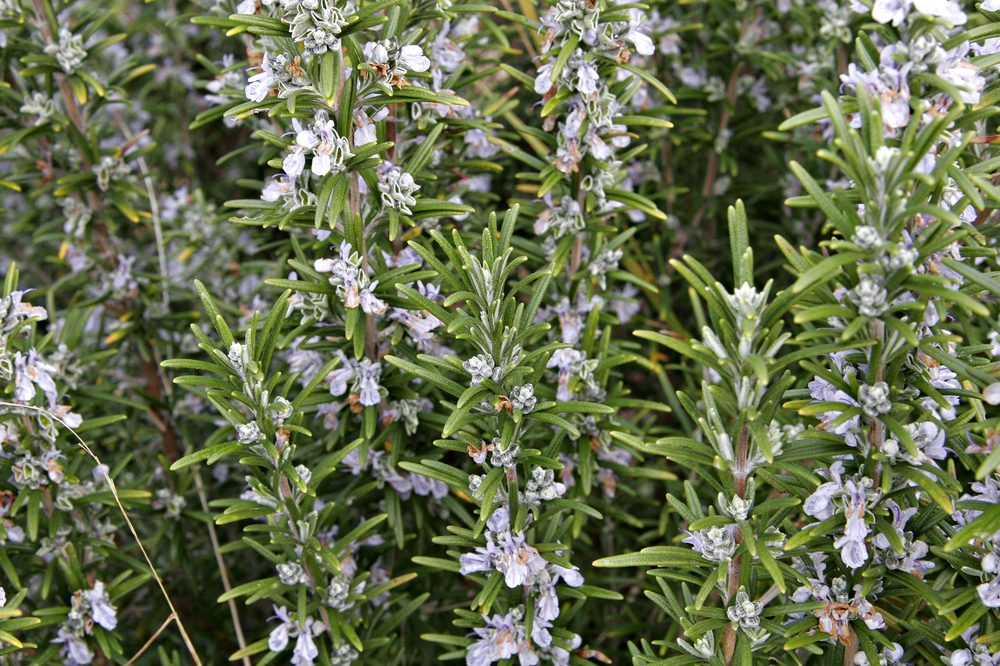
It is a member of the mint family, Lamiaceae. The species is native to the Mediterranean region. It has numerous cultivars, and its leaves are commonly used as a flavoring.

ⓘ Information
Description adapted from Wikipedia (CC BY-SA 4.0).

Family Context

The Lamiaceae family is large and widely distributed. Notable medicinal members include:

  • Basil — 86 documented uses
  • Agbo — 54 documented uses
  • Sage — 49 documented uses
  • Self-Heal — 46 documented uses

Geographic Distribution

Rosemary has been recorded in 10 countries and territories worldwide, including Belgium, Brazil, Switzerland, Germany, Spain, and others.

Traditional Uses

Rosemary has been traditionally used for digestive health, respiratory conditions, and urinary tract health, among other applications.

Digestive health.

  • Carminative
  • Stomachic
  • Dyspepsia
  • Ache(Stomach)

For digestive complaints, the herb is typically prepared as a tea or decoction taken before meals. The bitter compounds stimulate digestive secretions and improve nutrient absorption. Some traditions use the powdered root or leaves in small doses as a stomachic tonic.

Respiratory conditions.

  • Asthma
  • Cold

Respiratory conditions are addressed through steam inhalation of the herb’s vapors or internal use as a warm tea. The hot infusion acts as an expectorant, helping to loosen phlegm and clear congestion. Some traditions combine it with honey for coughs.

Urinary tract health.

  • Diuretic

Urinary tract applications typically involve drinking the herb as a mild tea, which increases urine production and helps flush the urinary system. It may be combined with other demulcent herbs to soothe irritated tissues.

Active Compounds

Phytochemical research has identified 30 compounds in this species, including a diverse array of phytochemical classes (see the Complete Chemical Inventory below for the full list).

The identified compounds include the following categories:

  • Flavonoid: antioxidant compounds that protect cells from oxidative damage
  • Phenolic: antioxidant compounds that neutralize free radicals
  • Alkaloid: nitrogenous compounds with diverse pharmacological activities
ⓘ Information
Information on this page is compiled from Dr. Duke’s Phytochemical and Ethnobotanical Databases (USDA ARS), a public domain resource. Consult a healthcare professional before using any herbal preparation.
⚠ Caution
Traditional records: This plant has documented uses including Abortifacient. Self-medication with herbs carries risks including allergic reactions, drug interactions, and toxicity. Only use under the supervision of a qualified healthcare professional.

Distribution and Conservation

Reported distribution: Belgium, Brazil, Switzerland, Germany, Spain, France, Italy, Netherlands, Portugal, United States.

Complete Use Records

CategoryCultural Context
CarminativeChina, Elsewhere, Europe, Turkey
StimulantChina, Elsewhere, Europe, Turkey
Ache(Head)China, Elsewhere, Europe
AlopeciaChina, Elsewhere, Mexico
NervineElsewhere, Panama, Turkey
RheumatismColombia, Elsewhere, Venezuela
RubefacientElsewhere, Panama, Turkey
StomachicElsewhere, Mexico, Turkey
AsthmaElsewhere, Europe
CancerBelgium, Greece
CardiotonicElsewhere, Turkey
CholagogueSpain, Turkey
ColdChina, Elsewhere
DiureticElsewhere, Turkey
DyspepsiaChina, Elsewhere
EmmenagogueElsewhere, Turkey
FumitoryElsewhere, Europe
NervesChina, Europe
Sore(Throat)Elsewhere, Europe
TonicChina, Elsewhere
AbortifacientElsewhere
Ache(Stomach)China
AmenorrheaElsewhere
AntisepticTurkey
AperientElsewhere
AstringentTurkey
BactericideElsewhere
BiliousMexico
CalmativePanama
Cancer(Liver)Chile

Complete Chemical Inventory

CompoundFormulaMW
(+)-LIMONENEC₁₀H₁₆136.23 Da
(E)-BETA-OCIMENEC₁₀H₁₆136.23 Da
(Z)-BETA-OCIMENEC₁₀H₁₆136.23 Da
1,8-CINEOLC₁₀H₁₈O154.25 Da
1,8-CINEOLEC₁₀H₁₈O154.25 Da
1-OCTEN-3-OLC₈H₁₆O128.21 Da
1-S-CIS-CALAMENENEC₁₅H₂₂202.33 Da
19-ALPHA-HYDROXYURSOLIC-ACID
2,5-DIMETHYL-STYRENE
2-BETA-HYDROXYOLEANOLIC-ACID
3,5,5-TRIMETHYLHEXAN-1-OLC₉H₂₀O144.25 Da
3-ACETYLURSOLIC-ACIDC₃₂H₅₀O₄498.7 Da
3-BETA-HYDROXYUREA-12,20(30)-DIEN-17-ON-ACID
3-HEXANONEC₆H₁₂O100.16 Da
3-METHYL-BUTAN-1-OLC₅H₁₂O88.15 Da
3-O-ACETYLOLEANOLIC-ACIDC₃₂H₅₀O₄498.7 Da
3-O-ACETYLURSOLIC-ACIDC₃₂H₅₀O₄498.7 Da
3-OCTANOLC₈H₁₈O130.23 Da
3-OCTANONEC₈H₁₆O128.21 Da
3-OXO-20-BETA-HYDROXYURS-12-ENE
4-HYDROXYBENZOYL-GLUCOSIDE
4-O-BETA-D-GLUCOSIDE-PROTOCATECHUIC-ACID
4-TERPINENYL-ACETATEC₁₂H₂₀O₂196.29 Da
5-HYDROXY-4',7-DIMETHOXYFLAVONEC₁₇H₁₄O₅298.29 Da
6-METHOXY-GENKWANIN
6-METHOXY-LUTEOLIN-7-GLUCOSIDE
6-METHOXYLUTEOLINC₁₆H₁₂O₇316.26 Da
6-METHOXYLUTEOLIN-7-METHYL-ETHER
7-ETHOXY-ROSMANOL
7-METHOXY-ROSMANOL

Data from PubChem (NIH/NLM, public domain).


References & Further Reading

External Research Links

Data Sources