Botanical Overview
Rosa davurica is a species in the Rosaceae family. The rose family (Rosaceae) includes trees, shrubs, and herbs with five-petaled flowers and numerous stamens. Many species produce edible fruits such as apples, pears, cherries, and berries. The family includes both ornamental roses and many species with astringent and medicinal properties. Phytochemical data for this species are limited at present.
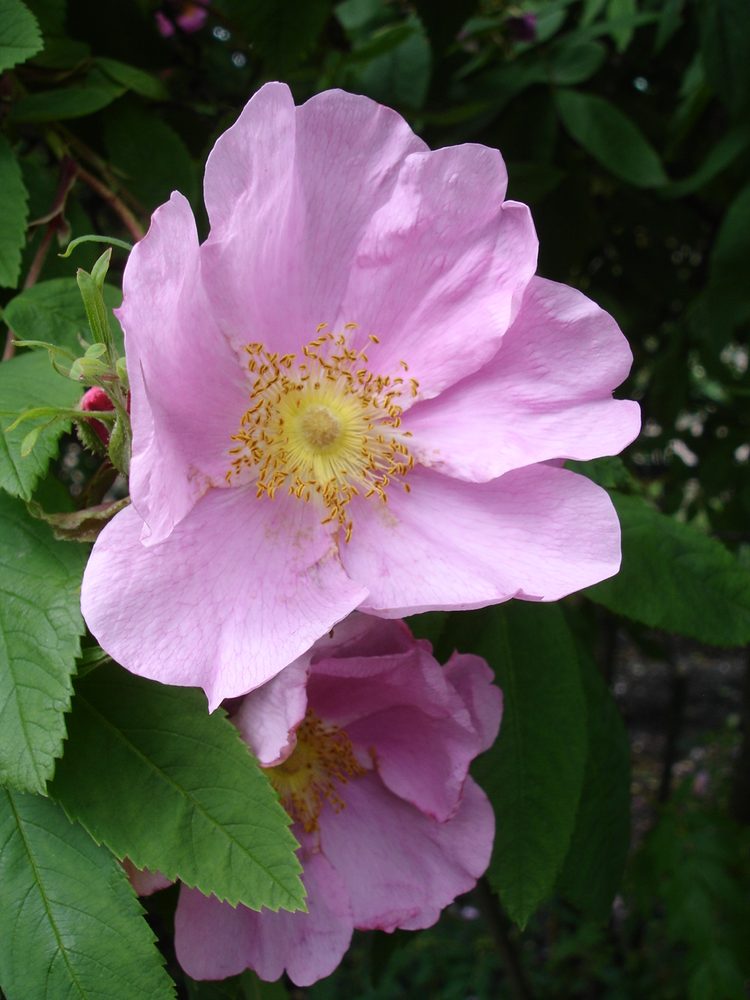
General Description
It is native to eastern Siberia, the Russian Far East, Mongolia, northern China, Korea, and Japan. An erect shrub reaching 1. 5 m (5 ft), it is typically found on hills and slopes, preferring sunny situations such as forest edges and grasslands at elevations from 400 to 2,500 m (1,300 to 8,200 ft).
Family Context
The Rosaceae family is widely distributed in temperate regions. Notable medicinal members include:
- Peach — 51 documented uses
- Apricot — 37 documented uses
- Almond — 34 documented uses
- Greater Burnet — 29 documented uses
Geographic Distribution
Rosa davurica has been recorded in 10 countries and territories worldwide, including China, Estonia, Japan, North Korea, South Korea, and others.
Active Compounds
Phytochemical research has identified 1 compound in this species: betulinic-acid.
Research Status
Although this species has documented phytochemical constituents, its ethnobotanical and clinical documentation remains incomplete. Additional phytochemical investigation could identify novel bioactive compounds in this plant.