Botanical Overview
Cordoban (Rhoeo spathacea) belongs to the Commelinaceae family. Limited but reliable traditional records indicate this plant has recognized medicinal applications in one or more healing traditions. This species belongs to the Commelinaceae family, a group of flowering plants.
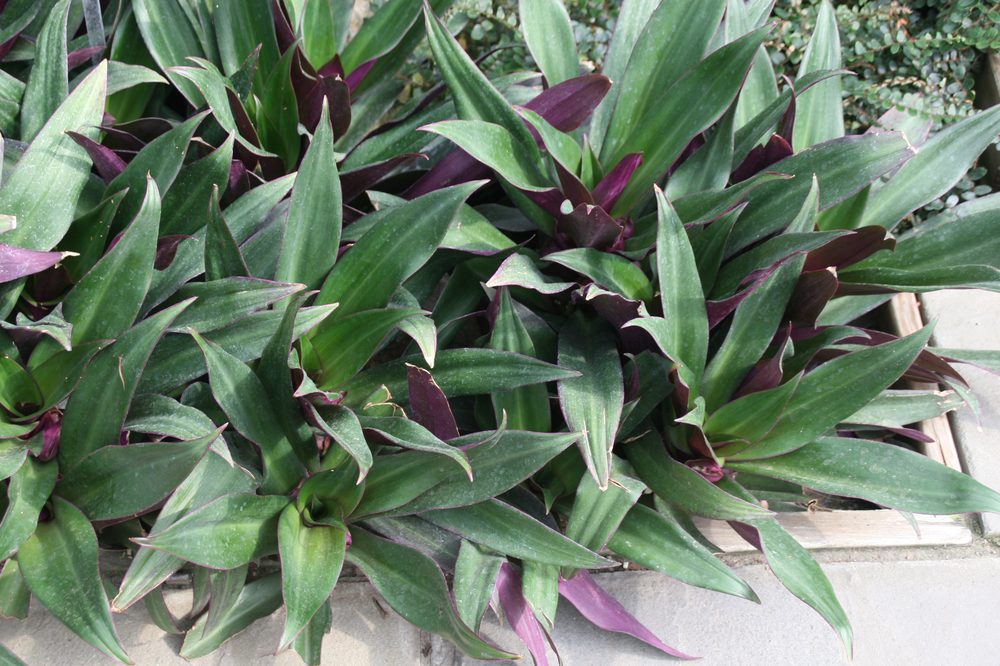
Family Context
The Commelinaceae family is widely distributed. Notable medicinal members include:
- Common dayflower — 22 documented uses
- Benghal dayflower — 5 documented uses
Geographic Distribution
Cordoban has been recorded in 10 countries and territories worldwide, including Fiji, Micronesia, Guadeloupe, Marshall Islands, Northern Mariana Islands, and others.
Traditional Uses
Cordoban has been traditionally used for respiratory conditions, skin and wound care, and urinary tract health, among other applications.
Respiratory conditions.
- Pectoral
Respiratory conditions are addressed through steam inhalation of the herb’s vapors or internal use as a warm tea. The hot infusion acts as an expectorant, helping to loosen phlegm and clear congestion. Some traditions combine it with honey for coughs.
Skin and wound care.
- Abscess
For skin conditions, the fresh or dried plant is applied topically as a poultice, wash, or compress. A strong decoction can be used to clean wounds and sores. The antimicrobial properties help prevent infection while promoting tissue repair.
Urinary tract health.
- Diuretic
Urinary tract applications typically involve drinking the herb as a mild tea, which increases urine production and helps flush the urinary system. It may be combined with other demulcent herbs to soothe irritated tissues.
Active Compounds
Phytochemical research has identified 3 compounds in this species: anthocyanins, beta-glucan, rhoeonin.