Botanical Overview
Indian Snakeroot (Rauvolfia serpentina) is a flowering plant in the Apocynaceae family. The traditional uses of this species reflect its genuine medicinal value, validated by generations of practical experience. The dogbane family (Apocynaceae) includes herbs, shrubs, vines, and trees with milky sap containing alkaloids and cardiac glycosides. The flowers are typically five-petaled and often showy with a tubular corolla. Many species in this family are highly toxic but also source of important cardiac medications.
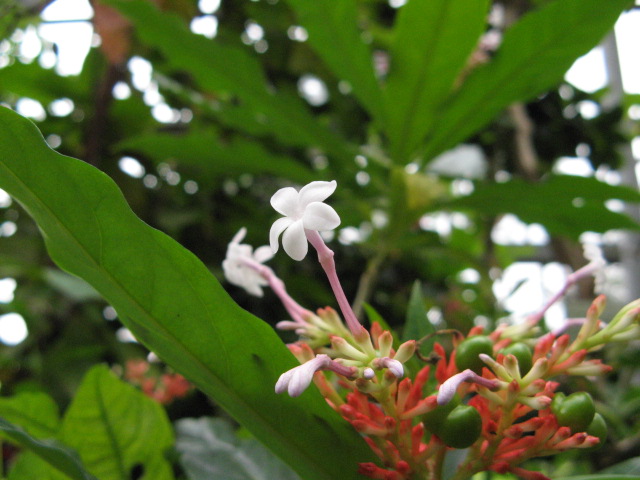
General Description
It is native to the Indian subcontinent and East Asia (from India to Indonesia). Rauvolfia is a perennial undershrub widely distributed in India in the sub-Himalayan regions up to 1,000 metres (3,300 ft). Sarpagandha is used in folk medicine in India for centuries to treat a wide variety of maladies, including snake and insect bites, febrile conditions, malaria, abdominal pain, and dysentery. It was also used as a uterine stimulant, febrifuge, and cure for insanity. The plant was mentioned in Hindu manuscripts as long ago as 1000 BCE.
Family Context
The Apocynaceae family is primarily tropical and subtropical. Notable medicinal members include:
- Alstonia scholaris — 42 documented uses
- Madagascar Periwinkle — 40 documented uses
- Oleander — 30 documented uses
- African Snakeroot — 28 documented uses
Geographic Distribution
Indian Snakeroot has been recorded in 10 countries and territories worldwide, including Brazil, Indonesia, India, Sri Lanka, Myanmar, and others.
Traditional Uses
Indian Snakeroot has been traditionally used for nervous system disorders, fever management, and cardiovascular health, among other applications.
Nervous system disorders.
- Sedative
- Insomnia
Nervous system support involves taking the herb as a warm tea, often in the evening or before bed. The calming compounds interact with neurotransmitter systems to promote relaxation and restful sleep.
Fever management.
- Fever
Febrifuge preparations are typically administered as hot teas to induce perspiration, which helps the body regulate temperature. The patient is kept warm and encouraged to rest while the herb promotes sweating.
Cardiovascular health.
- Hypertension
- Hypotension
Active Compounds
Phytochemical research has identified 30 compounds in this species, including a diverse array of phytochemical classes (see the Complete Chemical Inventory below for the full list).
The identified compounds include the following categories:
- Alkaloid: nitrogenous compounds with diverse pharmacological activities