Botanical Overview
Soapbark (Quillaja saponaria) belongs to the Rosaceae family. While not among the most extensively documented medicinal plants, this species has recorded uses that warrant attention from researchers and practitioners. The rose family (Rosaceae) includes trees, shrubs, and herbs with five-petaled flowers and numerous stamens. Many species produce edible fruits such as apples, pears, cherries, and berries. The family includes both ornamental roses and many species with astringent and medicinal properties.
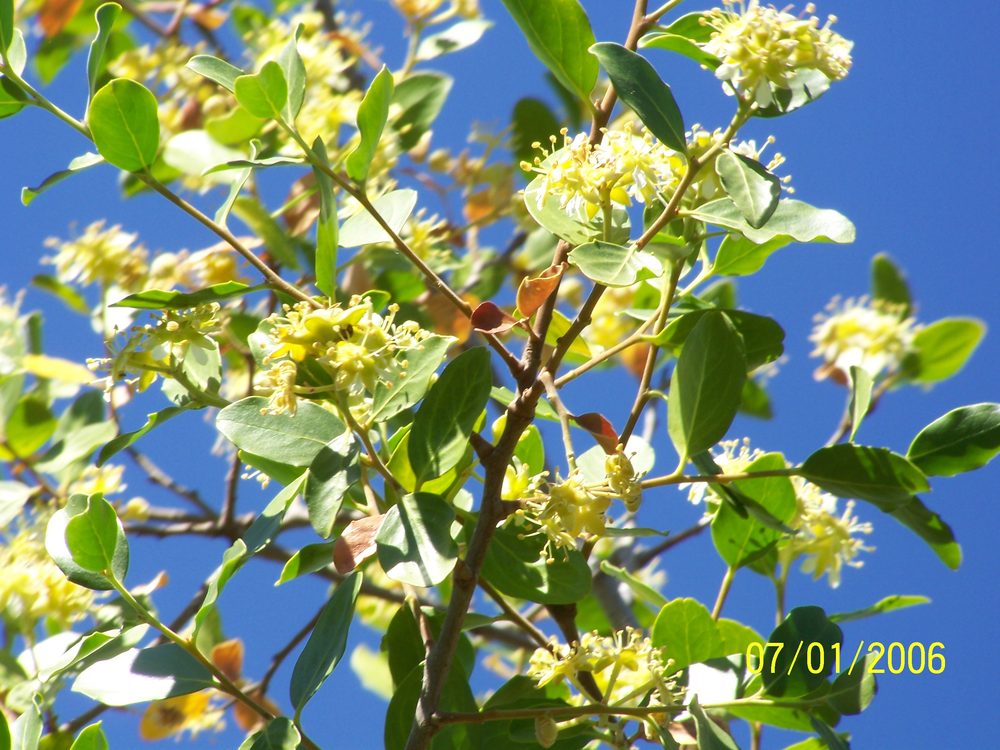
General Description
In Chile it occurs from 32 to 40° South Latitude approximately and at up to 2000 m (6500 ft) above sea level. It can grow to 15–20 m (50–65 ft) in height. The tree has thick, dark bark; smooth, leathery, shiny, oval evergreen leaves 3–5 cm long; white star-shaped flowers 15 mm in diameter borne in dense corymbs; and a dry fruit with five follicles each containing 10–20 seeds. The tree has several practical and commercial uses.
Family Context
The Rosaceae family is widely distributed in temperate regions. Notable medicinal members include:
- Peach — 51 documented uses
- Apricot — 37 documented uses
- Almond — 34 documented uses
- Greater Burnet — 29 documented uses
Geographic Distribution
Soapbark has been recorded in 10 countries and territories worldwide, including Argentina, Australia, Bolivia, Chile, Spain, and others.
Traditional Uses
Soapbark has been traditionally used for respiratory conditions, skin and wound care, and urinary tract health.
Respiratory conditions.
- Expectorant
- Bronchitis
Respiratory conditions are addressed through steam inhalation of the herb’s vapors or internal use as a warm tea. The hot infusion acts as an expectorant, helping to loosen phlegm and clear congestion. Some traditions combine it with honey for coughs.
Skin and wound care.
- Skin
For skin conditions, the fresh or dried plant is applied topically as a poultice, wash, or compress. A strong decoction can be used to clean wounds and sores. The antimicrobial properties help prevent infection while promoting tissue repair.
Urinary tract health.
- Diuretic
Urinary tract applications typically involve drinking the herb as a mild tea, which increases urine production and helps flush the urinary system. It may be combined with other demulcent herbs to soothe irritated tissues.
Active Compounds
Phytochemical research has identified 10 compounds in this species, including a diverse array of phytochemical classes (see the Complete Chemical Inventory below for the full list).
The identified compounds include the following categories:
- Tannin: astringent compounds that tighten tissues and resist infection
- Saponin: soap-like compounds with immune-modulating activity